At the annual Chicago Auto Show, ComEd announced a major expansion of its electric vehicle (EV) incentive offerings, unveiling approximately $70 million in EV rebates that will be available to residential, business, and community customers across northern Illinois in 2026. The funding represents one of the region’s most significant ongoing investments in transportation electrification and is designed to reduce the upfront costs that often pose a barrier to EV adoption.
The newly announced rebate funding builds on the momentum of ComEd’s electric vehicle programs launched over the past two years and reflects the utility’s continued commitment to supporting the transition to cleaner, more sustainable transportation options. Through a comprehensive suite of residential, commercial, and public-sector programs, ComEd aims to expand access to EV charging infrastructure, accelerate fleet electrification, and improve air quality across the communities it serves.
As electric vehicle adoption continues to grow throughout Illinois and the Midwest, utilities play a critical role in helping customers navigate the transition. ComEd’s 2026 EV rebate offerings are structured to support customers at every stage of electrification, from individual homeowners installing chargers to large fleet operators transitioning vehicles and infrastructure.
“As the demand for EVs grows in our region, ComEd is committed to helping our customers navigate the transition to electric vehicles,” said Ajit Apte, Senior Vice President of Customer Operations at ComEd. “Building on the success of the last two years, ComEd is delivering a substantial investment in EV programs that will help remove cost barriers to EV projects at home and in our communities and businesses. These efforts will improve air quality and strengthen a robust network of EV charging infrastructure across northern Illinois.”
By addressing upfront costs and infrastructure readiness, ComEd’s programs aim to make EV adoption more accessible and practical for a broad range of customers, including those who have traditionally faced economic or logistical challenges in making the switch.
The EV rebates are made possible through ComEd’s Beneficial Electrification program, which was approved by the Illinois Commerce Commission (ICC). The program is specifically designed to support transportation electrification while prioritizing equitable investment and access.
Since its launch in 2024, the Beneficial Electrification program has delivered more than $160 million in EV-related funding across northern Illinois. More than 80 percent of those funds have been directed to Equity Investment Eligible Communities (EIECs), ensuring that underserved and historically overburdened communities benefit from cleaner transportation solutions.
To date, ComEd-supported EV projects have helped deploy more than 10,000 EV chargers and have directed investments to projects spanning approximately 350 ZIP codes throughout Illinois. These investments reflect a deliberate effort to ensure that the benefits of electrification—reduced emissions, lower fuel costs, and improved public health—are distributed equitably.
For future funding rounds, equity will remain a central pillar of ComEd’s approach. More than half of the available rebate funds are reserved for low-income customers and for projects located in, or primarily serving, low-income communities and EIECs. These customers and communities are also eligible for higher rebate amounts to further offset costs.
State officials praised ComEd’s continued investments in EV adoption and charging infrastructure, noting the alignment with Illinois’ broader climate and transportation goals.
“Since their initial launch, ComEd’s EV rebate initiatives have helped empower consumers in northern Illinois to make cleaner choices and support the transition to zero-emission transportation,” said Megha Lakhchaura, State EV Officer of Illinois. “These continued investments to support EV adoption and expanded charging infrastructure are leading the drive toward a more sustainable future for our state.”
Illinois has set ambitious targets for reducing greenhouse gas emissions and expanding clean transportation options, and ComEd’s programs are a key component of achieving those objectives at the local and regional level.
ComEd’s 2026 EV rebate portfolio includes three primary offerings tailored to different customer segments:
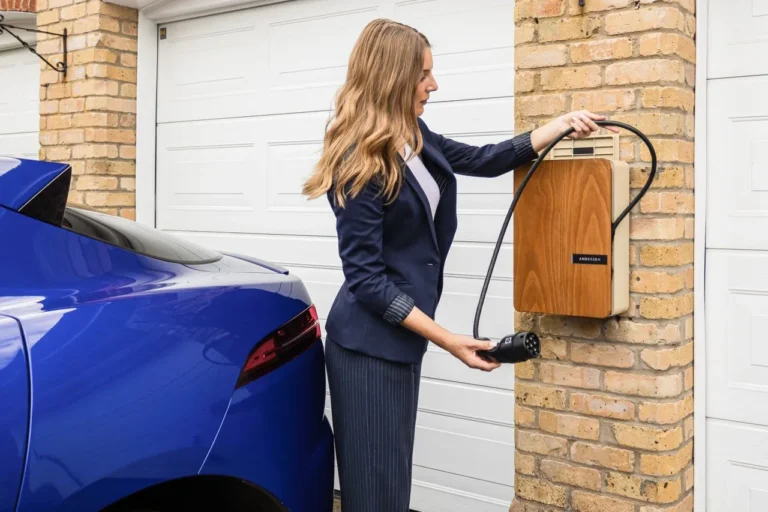
The Residential EV Charger and Installation Rebate Program will make more than $4 million available to support homeowners installing Level 2 EV chargers. Eligible households may receive rebates of up to $2,500 to offset the cost of both the charger and installation, helping residents charge their vehicles conveniently and affordably at home.
The Business and Public Sector EV Purchase Rebate Program includes more than $35 million in funding to support the purchase or lease of new and pre-owned electric fleet vehicles across all weight classes. Rebates range from $7,500 to as much as $240,000 per vehicle, depending on vehicle type and project eligibility. This program is designed to accelerate fleet electrification for businesses, municipalities, school districts, and other public-sector entities.
The Business and Public Sector Make-Ready Rebate Program will provide more than $29 million to help prepare sites for EV charging infrastructure. Funding can cover costs associated with electrical upgrades and site preparation for both public and private charging installations. Rebates range from $5,000 to $7,500 per port for Level 2 chargers and from $450 to $675 per kilowatt for DC Fast Charging installations.
Together, these programs are intended to address the full spectrum of EV adoption challenges, from vehicle acquisition to infrastructure readiness.
Clean transportation advocates emphasized the public health and environmental benefits associated with expanding EV adoption and charging infrastructure.
“The Illinois Alliance for Clean Transportation is committed to advancing clean transportation solutions that reduce emissions and improve energy security across the state,” said Samantha Bingham, Board Member of the Illinois Alliance for Clean Transportation. “ComEd’s rebates are an essential tool for business and local government fleets pursuing electrification efforts, which support state initiatives and community health while positioning Illinois as a leader in clean transportation.”
Public health experts also highlighted the direct link between reduced vehicle emissions and improved health outcomes.
“Air pollution poses significant health challenges for residents throughout Illinois, and reducing vehicle emissions is one of the most effective steps to improve air quality and public health,” said Brian Urbaszewski, Director of Environmental Health Programs at the Respiratory Health Association. “ComEd’s programs empower businesses, customers, and communities to help eliminate pollution and create cleaner air with each EV and EV charger added across the state.”
A notable component of ComEd’s EV investment strategy is its support for fleet electrification, particularly for school districts transitioning to electric school buses. These efforts are especially impactful in communities disproportionately affected by air pollution.
ComEd facilitates partnerships between EV manufacturers, fleet operators, and school districts to help schools achieve their decarbonization goals. Districts located in Equity Investment Eligible Communities continue to qualify for enhanced rebate amounts, making electrification more accessible.
“We are proud to partner with ComEd to bring electric school buses to districts across northern Illinois,” said Josh Williams of Highland Electric Fleets. “Electric school buses improve air quality for children and communities and also have the potential to export energy to support the local grid when not performing their critical role of safely transporting students.”
The visibility of electric school buses was further amplified at the Chicago Auto Show, where one was featured prominently in the Family Zone.
“The Environmental Law & Policy Center is pleased that, for the first time, the Chicago Auto Show is displaying an electric school bus,” said Susan Mudd, Senior Policy Advocate at the Environmental Law & Policy Center. “We appreciate ComEd and Highland Electric Fleets for making this possible and helping families understand the public health benefits these buses provide. With funding secured for the next three years, more Illinois children can benefit from clean, quiet rides to and from school.”
Beyond financial incentives, ComEd continues to invest in education and planning resources to support EV adoption. These initiatives help customers and communities understand the benefits of electrification and plan for long-term infrastructure needs.
One such effort is the EV Readiness Program, developed in partnership with the Metropolitan Mayors Caucus. The program provides training for municipalities on permitting, safety, and infrastructure planning to accommodate growing EV demand. To date, 38 communities have participated, with a fourth cohort scheduled to complete the program in 2026.
ComEd also offers a wide range of customer-facing resources, including its EV Ambassador program, Fleet Electrification Assessments, EV Toolkit, EV Load Capacity Map, EV Rebate Dealer Network, and EV Service Provider Network. These tools are designed to simplify the transition to electric transportation and connect customers with trusted partners.
A Step Beyond is excited to partner with ComEd as an EV Ambassador and help our community experience the benefits of electric vehicle adoption,” said Nicole Wheatly, a ComEd EV Ambassador. “The continued adoption of EVs—especially among businesses—delivers community-wide benefits, reducing carbon footprints and helping build a healthier future for Illinois.
Source Link:https://www.businesswire.com/