Arrow Electronics has unveiled a comprehensive strategic initiative and dedicated research hub aimed at supporting the automotive industry’s transition toward next-generation vehicle electrical and electronic (E/E) architecture, a transformation that underpins the rise of software-defined vehicles. Through this initiative, Arrow is positioning itself as a critical partner for automotive OEMs and tier-1 suppliers seeking to modernize vehicle platforms, integrate advanced computing capabilities, and ensure long-term supply chain resilience amid accelerating technological complexity.
As modern vehicles evolve into increasingly intelligent, connected, and autonomous platforms, the limitations of traditional electrical and electronic design approaches have become increasingly evident. Historically, automakers added a new electronic control unit (ECU) for each additional function or feature, resulting in vehicles containing hundreds of discrete computers and kilometers of wiring. This fragmented approach, while effective in earlier generations of vehicles, is no longer sustainable in an era defined by advanced driver assistance systems, electrification, connectivity, and over-the-air software updates. E/E architecture represents a fundamental rethinking of how electronic systems are structured, interconnected, and managed within the vehicle, replacing complexity with integration and scalability.
The shift toward centralized and zonal E/E architectures enables powerful computing hubs to manage multiple functions that were previously distributed across dozens of standalone ECUs. By consolidating processing power and rationalizing system layouts, automakers can significantly reduce wiring complexity, cut vehicle weight, and improve energy efficiency. Industry estimates suggest that modern E/E architectures can reduce wiring harness length and mass by as much as 20 percent, contributing directly to improved range for electric vehicles and lower emissions across internal combustion and hybrid platforms. Equally important, centralized architectures make it easier to deploy software updates throughout a vehicle’s lifecycle, extending functionality, enhancing safety, and enabling new business models based on digital services.
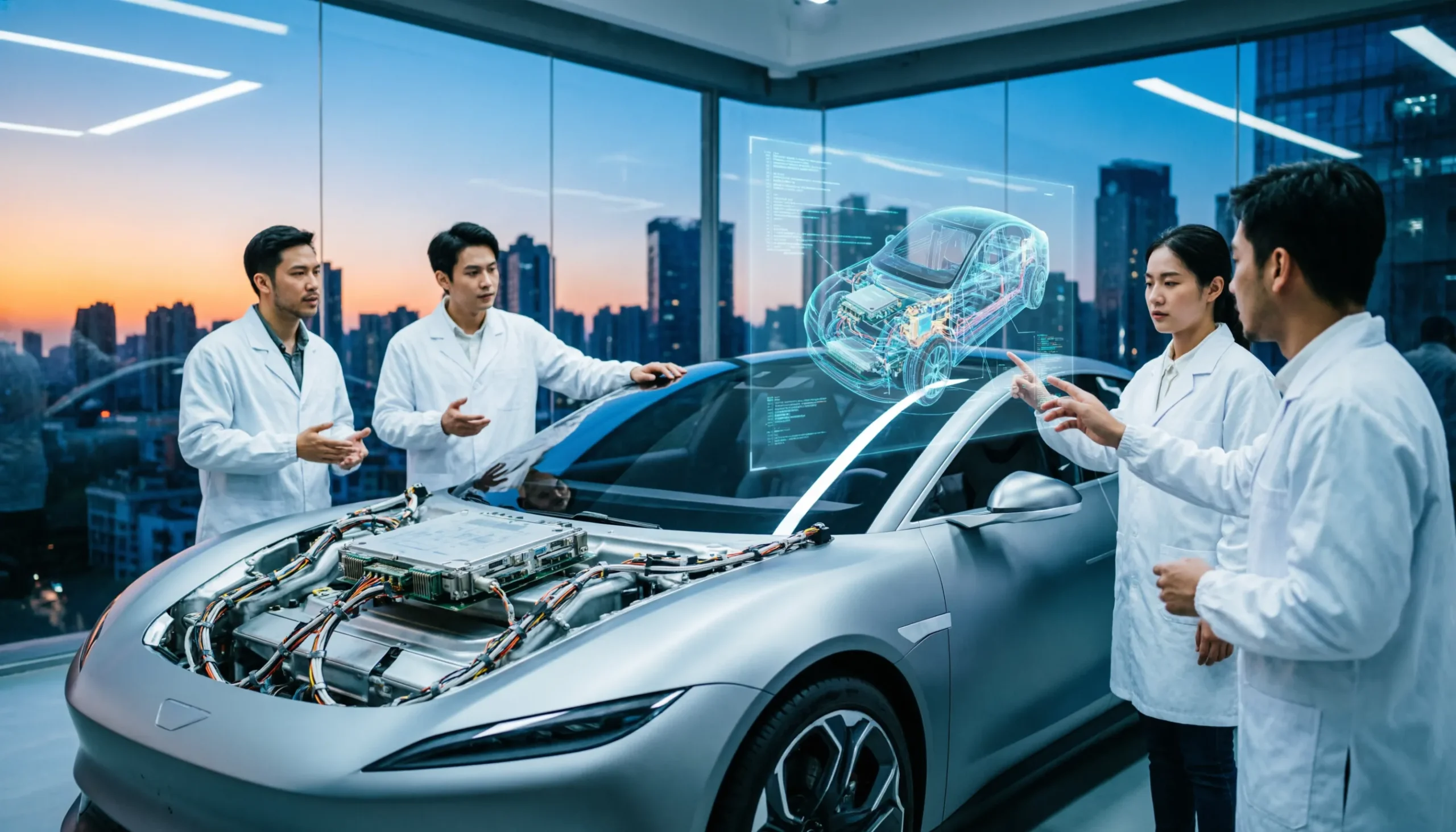
While the benefits of next-generation E/E architecture are compelling, the transition introduces a new layer of complexity that spans hardware, software, and supply chain considerations. Modern vehicle platforms require close integration between high-performance processors, sensors, networking components, power electronics, and sophisticated software frameworks capable of managing real-time, safety-critical operations. Arrow Electronics has positioned itself as a central solution aggregator within this evolving ecosystem, bridging the gap between individual components and fully integrated, production-ready systems.
Arrow’s design engineering services are anchored by a dedicated global team of automotive specialists who provide cross-technology support across both semiconductor solutions and IP&E components, including interconnects, passives, and electromechanical systems. This multidisciplinary expertise allows Arrow to support complete system-level design rather than isolated component selection, helping customers optimize performance, reliability, and cost while meeting stringent automotive qualification standards. By aligning hardware architecture decisions with software and networking requirements early in the design process, Arrow helps automakers avoid costly redesigns and accelerate development timelines.
Beyond engineering expertise, supply chain resilience has emerged as a defining concern for the automotive industry, particularly in the wake of recent global disruptions that exposed vulnerabilities in semiconductor availability and logistics networks. Arrow’s E/E architecture initiative places significant emphasis on supply chain stability, offering customers access to extensive global inventory, multisourcing strategies, and end-to-end component traceability. These capabilities are designed to help OEMs and tier-1 suppliers maintain production continuity while navigating fluctuating demand, regional constraints, and evolving regulatory requirements.
Proactive obsolescence management is another critical element of Arrow’s value proposition. As vehicle development cycles lengthen and software-defined platforms remain in production for extended periods, ensuring long-term availability of key components becomes essential. Arrow works closely with customers to identify lifecycle risks early, recommend alternative components when necessary, and implement forward-looking strategies that mitigate the impact of part discontinuation. This approach provides automakers with greater confidence that their platforms can be supported over the full vehicle lifecycle without compromising quality or performance.
Recognizing that software is now the defining element of modern vehicle platforms, Arrow has significantly expanded its transportation software capabilities in recent years. The company now offers deep expertise in AUTOSAR environments, enabling standardized, modular software architectures that support scalability and interoperability across vehicle platforms. In addition, Arrow provides guidance on functional safety compliance, helping customers align with international standards such as ISO 26262 to ensure that safety-critical systems perform reliably under all operating conditions.
Automotive cybersecurity has also become a core focus area as vehicles become increasingly connected to external networks and cloud-based services. Arrow’s software specialists support customers in designing secure architectures that protect against cyber threats while enabling seamless data exchange and over-the-air updates. By integrating cybersecurity considerations into the early stages of E/E architecture design, Arrow helps automakers address regulatory expectations and consumer trust concerns while reducing the risk of costly post-launch vulnerabilities.
Arrow’s E/E architecture initiative builds on its recent strategic investments aimed at strengthening its position within the automotive and transportation technology ecosystem. In 2024, the company completed the acquisitions of iQMine and Avelabs, both of which are recognized engineering services providers with deep expertise in automotive software development, validation, and simulation. These acquisitions have significantly expanded Arrow’s global software development footprint and reinforced its Automotive Center of Excellence, enabling the company to deliver end-to-end solutions that span concept development, system integration, and validation.
The addition of these specialized teams enhances Arrow’s ability to support complex E/E architecture programs that require close coordination between hardware platforms and advanced software stacks. By integrating simulation, testing, and validation capabilities into its service offerings, Arrow helps customers de-risk development programs, shorten validation cycles, and improve overall system reliability. This holistic approach aligns with the industry’s broader shift toward model-based design and virtual validation as vehicles become more software-centric.
According to Murdoch Fitzgerald, chief growth officer of global services for Arrow’s global components business, E/E architecture serves as the foundation of the modern automotive revolution, enabling the transition from hardware-centric machines to intelligent, software-defined mobility platforms. By combining global engineering reach, a broad portfolio of components, and specialized software expertise, Arrow is positioned to help customers navigate the complexity of this transformation while reducing time-to-market and building platforms that can adapt to future requirements.
This adaptability is increasingly important as automakers face rapid shifts in consumer expectations, regulatory frameworks, and competitive dynamics. Software-defined vehicles must be capable of evolving over time, supporting new features, services, and compliance requirements through software updates rather than hardware redesigns. Arrow’s integrated approach to E/E architecture design supports this flexibility by emphasizing scalable platforms, standardized interfaces, and robust software frameworks that can accommodate future innovation.
To further support engineers, architects, and procurement leaders navigating the transition to next-generation E/E architecture, Arrow has launched a new dedicated research hub focused exclusively on this domain. The online platform provides a centralized repository of technical insights, whitepapers, reference designs, and design tools tailored specifically to E/E architecture development. By making these resources readily accessible, Arrow aims to empower customers with the knowledge needed to make informed decisions throughout the design and procurement process.
The research hub reflects Arrow’s commitment to thought leadership and collaboration within the automotive ecosystem. By sharing best practices, emerging trends, and practical design guidance, Arrow seeks to foster a deeper understanding of E/E architecture challenges and opportunities across the industry. This knowledge-driven approach complements the company’s hands-on engineering and supply chain services, reinforcing its role as a strategic partner rather than a traditional component distributor.
As the automotive industry continues its transformation toward electrification, autonomy, and connectivity, E/E architecture will remain a central enabler of innovation and differentiation. Arrow Electronics’ strategic initiative and research hub underscore the company’s recognition that success in this new era depends on seamless integration of hardware, software, and supply chain expertise. By addressing these dimensions holistically, Arrow is helping automakers and suppliers build resilient, scalable platforms capable of supporting the software-defined future of mobility.
Through its expanded engineering services, robust supply chain capabilities, and growing software expertise, Arrow is positioning itself at the intersection of technology and execution, where strategic vision meets practical implementation. As vehicles become increasingly defined by their electronic and software architectures, partnerships that can manage complexity, mitigate risk, and accelerate innovation will be critical. Arrow’s E/E architecture initiative represents a strategic response to these industry realities, offering customers the tools, expertise, and confidence needed to navigate one of the most significant transformations in automotive history.
Source Link:https://www.businesswire.com/