Technology Complexity Reshapes Long-Term Vehicle Dependability
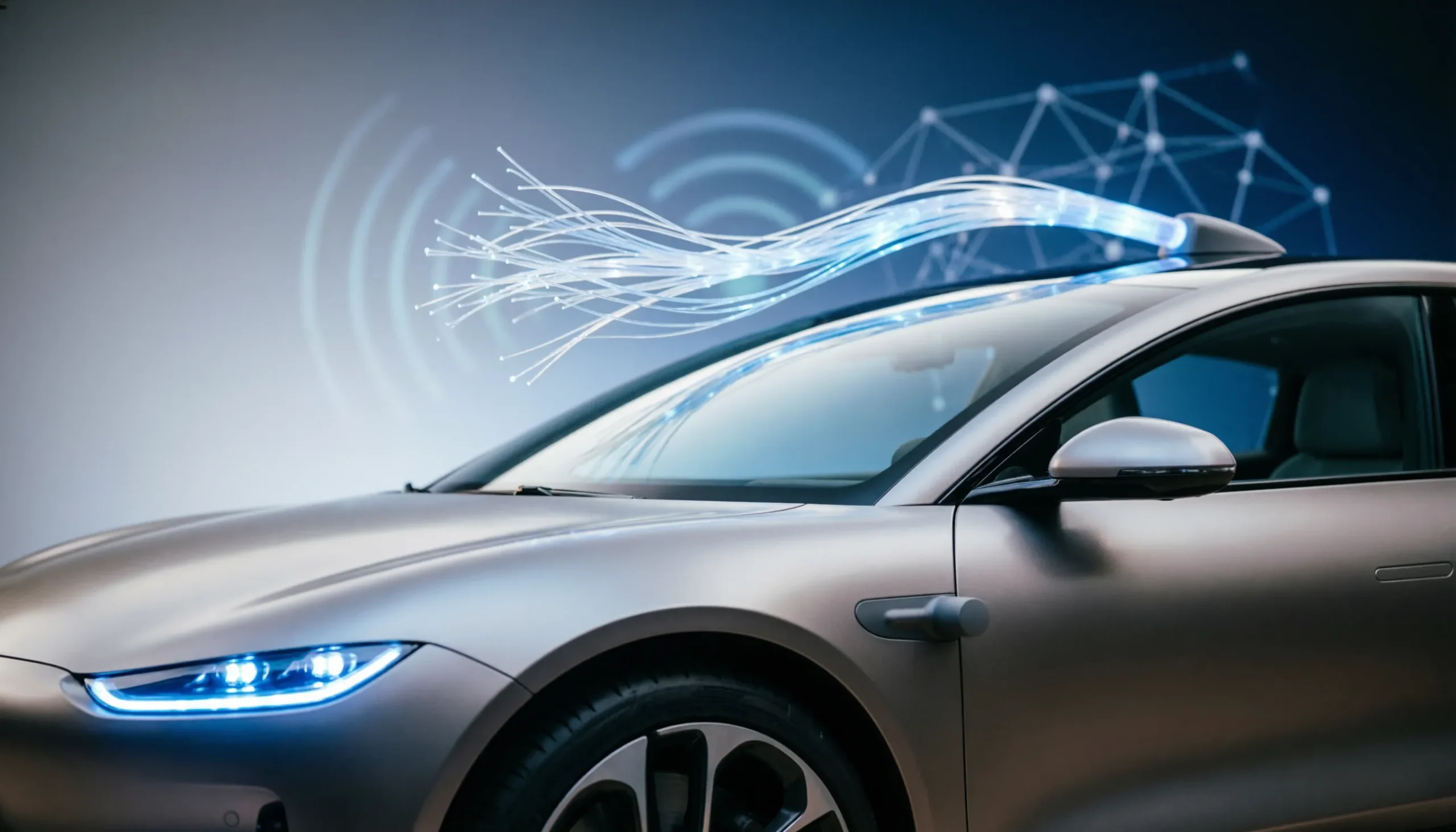
As modern automobiles evolve into highly software-defined machines, the ownership experience is increasingly shaped not just by mechanical durability but by the reliability of digital systems and ongoing software performance. Vehicles today operate with vastly more lines of code than early space missions, fundamentally changing how owners perceive dependability over time. According to the J.D. Power 2026 U.S. Vehicle Dependability StudySM (VDS), long-term vehicle quality has continued to deteriorate, driven primarily by persistent infotainment problems, inconsistent over-the-air (OTA) software updates, and recurring exterior issues that emerge after several years of ownership. The latest study shows that problems experienced after three years of ownership have increased by two problems per 100 vehicles compared with 2025, bringing the industry average to 204 PP100, where a lower score reflects higher quality. This result represents the highest problem count recorded since the study was redesigned in 2022 and reinforces a clear industry-wide trend of declining dependability across the past three years.
Infotainment and Exterior Issues Dominate Owner Complaints
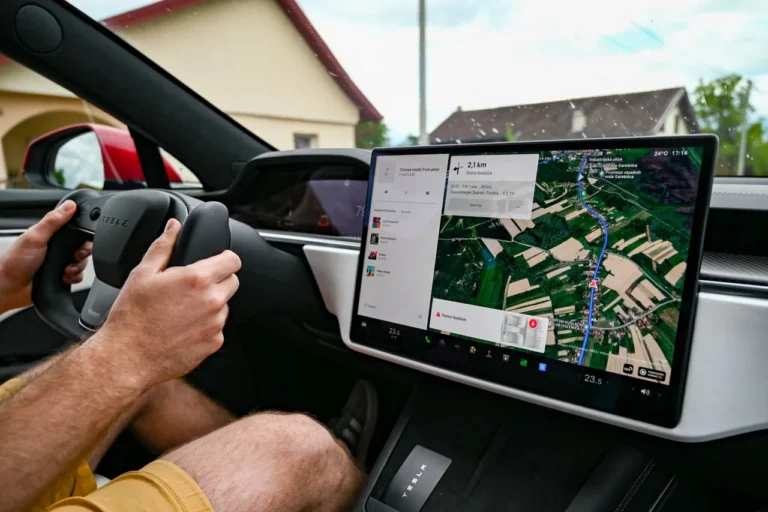
Among the nine categories measured in the study, infotainment systems remain the most problematic by a wide margin, recording 56.7 PP100. Owners continue to report difficulties related to connectivity, responsiveness, and integration with personal devices, underscoring the challenge automakers face in delivering seamless digital experiences. Exterior problems rank second at 27.5 PP100, with complaints ranging from abnormal noises and trim quality to durability concerns that surface as vehicles age. Together, these categories illustrate how non-powertrain issues increasingly define perceptions of long-term quality, even as core mechanical systems show incremental improvement in some segments.
Software Expectations Clash With Ownership Reality
As Jason Norton, director of auto benchmarking at J.D. Power, explains, long-term ownership experience has become more critical as consumers hold onto vehicles longer than ever before. While software updates and advanced technologies are intended to enhance vehicles over time, many owners report that updates deliver little tangible benefit and sometimes introduce new frustrations. Mobile phone integration problems remain particularly persistent, and many owners struggle to understand what an update is supposed to improve. According to Norton, this disconnect highlights the importance of owner education and clear communication, emphasizing that automakers must focus not only on delivering meaningful improvements but also on explaining how updates enhance vehicle performance, usability, and overall ownership satisfaction.
Premium Vehicles See a Sharp Reversal in Performance
One of the most notable findings of the 2026 study is the deterioration in dependability among premium brands. After two years of relative stability, problems in the premium segment jumped by eight PP100 year over year to 217 PP100, marking the highest level since the study’s 2022 redesign. The gap between premium and mass-market vehicles has widened to 17 PP100, with premium brands underperforming mass-market counterparts in seven of the nine categories evaluated. The most pronounced gaps appear in features, controls, and displays, as well as driving experience, where premium vehicles show higher problem rates despite commanding higher prices and consumer expectations. Only powertrain and seats emerge as categories where premium brands outperform mass-market vehicles, suggesting that advanced technology and feature complexity may be eroding traditional luxury advantages in perceived quality.
Over-the-Air Updates Deliver Limited Perceived Value
OTA software updates are now a routine aspect of vehicle ownership, reflecting the industry’s shift toward continuous improvement models inspired by consumer electronics. The study reveals that 40 percent of owners received a software update in the past 12 months, yet only 27 percent felt that the update improved their vehicle in a noticeable way. A majority, 58 percent, perceived no difference at all. More than half of all updates were performed over the air, but rather than reducing problems, these updates were associated with a nearly 14 percent increase in reported issues, equivalent to 2.5 PP100. This finding underscores a critical challenge for automakers as they expand OTA capabilities: updates must deliver clear, reliable benefits without introducing new complexity or instability into the ownership experience.
Mobile Phone Integration Emerges as the Industry’s Weakest Link
Mobile phone integration continues to be the single most significant source of owner frustration, accounting for four of the top five industry problems for the third consecutive year. Android Auto and Apple CarPlay connectivity issues top the list at 8.9 PP100, followed by built-in Bluetooth systems at 5.5 PP100, wireless charging pads at 5.1 PP100, and OEM app connectivity at 4.7 PP100. Collectively, these problems contribute 24.2 PP100, nearly half of all infotainment-related issues. As vehicles increasingly function as extensions of digital lifestyles, failures in seamless phone integration undermine perceptions of technological sophistication and reliability, reinforcing the need for automakers to prioritize compatibility, stability, and ease of use across platforms.
Electrified Powertrains Face Growing Dependability Challenges
The transition toward electrification introduces new complexities that are increasingly reflected in long-term dependability scores. Plug-in hybrid electric vehicles remain the most problematic powertrain type in the study, with issues rising sharply by 39 PP100 year over year to 281 PP100. Battery electric vehicles and conventional hybrids also see increases of 14 PP100 each, reaching 237 PP100 and 213 PP100 respectively. In contrast, gas-powered vehicles show a modest improvement of two PP100 to 198 PP100, making them the least problematic powertrain category overall. These results suggest that while electrification delivers environmental and performance benefits, it also introduces software, charging, and integration challenges that continue to impact long-term ownership satisfaction.
Brand Rankings Highlight Consistency and Execution
Despite broader industry challenges, several brands stand out for delivering stronger long-term dependability. Lexus ranks highest overall among premium brands for the fourth consecutive year with a score of 151 PP100, reinforcing its reputation for quality and consistency. Cadillac follows in second place at 175 PP100, while Porsche ranks third at 182 PP100. In the mass-market segment, Buick secures the top position for the second consecutive year with 160 PP100, followed by MINI at 168 PP100 and Chevrolet at 178 PP100. These rankings highlight the importance of disciplined execution and user-focused design in maintaining dependability amid rising technological complexity.
Model-Level Awards Showcase Proven Platforms
At the model level, Toyota Motor Corporation achieves the top overall model recognition with the Lexus IS, while also earning the most model-level awards with eight wins across both Lexus and Toyota nameplates. Award-winning models include Lexus IS, Lexus UX, Lexus GX, Toyota Corolla, Toyota Camry, Toyota Tacoma, Toyota Sienna, and Toyota 4Runner, reflecting consistent performance across multiple segments. General Motors Company earns four model-level awards for Buick Enclave, Cadillac XT6, Chevrolet Equinox, and Chevrolet Tahoe, demonstrating that scale manufacturers can still deliver standout long-term quality when platforms and technologies are well integrated and mature.
Study Scope and Methodology Reinforce Credibility
Now in its 37th year, the U.S. Vehicle Dependability Study evaluates 184 specific problem areas across nine major categories, including climate systems, driving assistance, driving experience, exterior, features and controls, infotainment, interior, powertrain, and seats. The 2026 results are based on responses from 33,268 original owners of 2023 model-year vehicles after three years of ownership, with data collected between December 2024 and November 2025. This longitudinal approach provides a comprehensive view of how vehicles perform over time, capturing issues that may not surface during early ownership but significantly influence long-term satisfaction and brand loyalty.
Methodology Enhancements for 2027
Building on the insights from the 2026 study, J.D. Power plans significant methodology enhancements for the 2027 U.S. Vehicle Dependability Study, particularly in response to widespread frustration with OTA updates. The updated approach will introduce year-round data collection, continuous reporting, and the integration of verified repair data beginning in April 2026. These changes are designed to help manufacturers identify emerging dependability issues earlier, respond more quickly with corrective actions, and communicate more effectively with owners through in-vehicle messaging, email campaigns, and dealer education initiatives. By improving visibility into real-world ownership challenges, the enhanced study aims to support faster troubleshooting, more targeted updates, and clearer explanations of intended benefits, ultimately strengthening trust, satisfaction, and long-term customer loyalty in an era defined by software-driven mobility.
Source Link:https://www.businesswire.com/