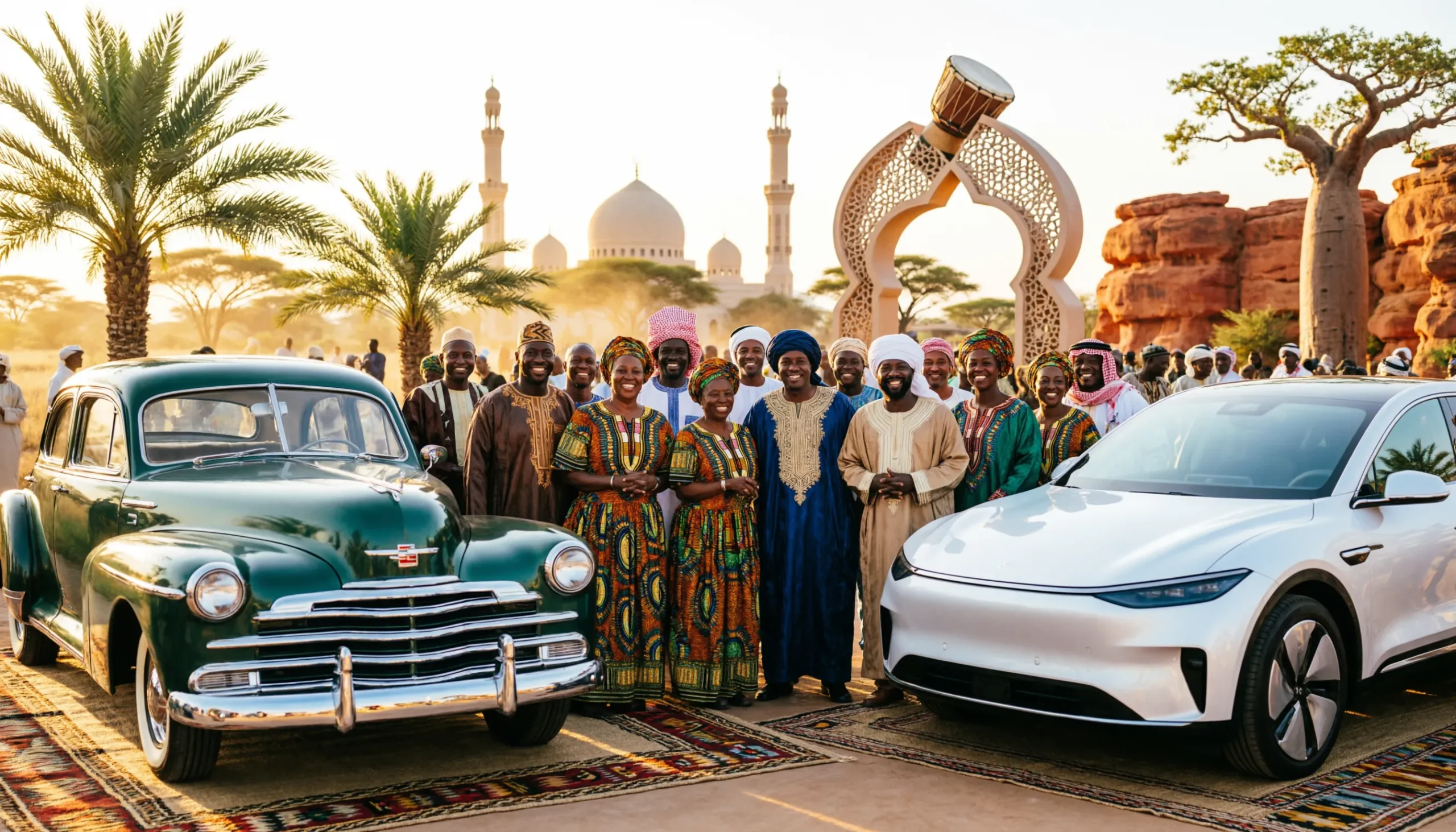
This year, General Motors commemorates an extraordinary milestone—100 years of operations across Africa and the Middle East, a journey defined by industrial ambition, technological leadership, and enduring partnerships with communities throughout the region. What began in 1926 as a bold expansion into emerging markets has evolved into a century-long legacy of manufacturing, employment, innovation, and cultural impact. From the first vehicle assembled in Alexandria to the advanced connected mobility technologies being introduced today, GM’s regional story reflects resilience, adaptability, and a steadfast commitment to customers.
The foundation of GM’s presence in the region was laid in 1926, when the company established its first assembly plant in Alexandria, Egypt. That facility marked a turning point for the automotive sector in North Africa and the broader Middle East. The first vehicle to roll off the production line was a Chevrolet truck, symbolizing not just the arrival of a global automaker but the birth of localized vehicle assembly in the region. The Alexandria plant demonstrated GM’s early understanding that sustainable growth required local manufacturing, workforce development, and infrastructure investment rather than simply exporting finished vehicles.
This strategic move aligned with the broader corporate philosophy shaped by visionary leadership in the United States. Under the influence of Alfred Sloan, GM pursued structured expansion strategies that balanced global scale with regional responsiveness. Sloan’s emphasis on operational efficiency, innovation, and scalable growth models helped guide GM’s approach as it entered new international markets, including those across Africa and the Middle East.
From its earliest years in the region, GM positioned itself as more than just a vehicle supplier. It introduced transformative automotive technologies that reshaped the driving experience for customers. Among the early breakthroughs were electric starters and automatic transmissions—innovations that improved safety, convenience, and accessibility for motorists. By bringing these advancements to regional markets, GM elevated industry standards and set benchmarks for competitors.
The introduction of such technologies underscored GM’s role as a technology leader rather than a follower. Over the decades, the company consistently delivered new engineering solutions, improved safety systems, enhanced performance capabilities, and more recently, advanced driver assistance features. Today, that legacy continues with innovations such as Super Cruise, GM’s hands-free advanced driver assistance technology, which reflects the company’s forward-looking mobility strategy.
To honor this historic milestone, GM Middle East collaborated with Acumen Media, CBS, and Alarabiya to produce a documentary chronicling its century-long journey in the region. The project captures archival moments, leadership insights, manufacturing milestones, and customer stories that together illustrate the evolution of GM’s operations. The documentary highlights the transition from early assembly lines to modern manufacturing systems, as well as the cultural and economic contributions the company has made along the way.
According to Jack Uppal, President and Managing Director of GM Africa and Middle East, the company’s guiding principle has remained unchanged over the decades. From its origins in Alexandria to its present-day operations spanning multiple markets, GM has consistently placed customers at the center of its strategy. That customer-first mindset has helped the company adapt to changing economic climates, regulatory environments, and consumer expectations.
One of the defining characteristics of GM’s century in Africa and the Middle East is its commitment to localized operations. Rather than treating the region as a simple export destination, GM invested in infrastructure, workforce development, and supply chain partnerships. The company’s network supports approximately 7,000 jobs across manufacturing, sales, service, and administrative functions. These roles are filled by local professionals trained to global automotive standards, ensuring that quality and operational excellence remain consistent worldwide.
The emphasis on local talent development has strengthened industrial ecosystems in host countries. Through training programs, technology transfer, and supplier partnerships, GM has contributed to the development of domestic automotive capabilities. This approach has reinforced economic resilience while fostering long-term community relationships.
Over the past century, GM brands have become deeply woven into daily life and cultural identity throughout Africa and the Middle East. Vehicles from Chevrolet, GMC, and Cadillac have served families, businesses, governments, and entrepreneurs alike.
Among the most enduring icons is the Chevrolet Suburban, first introduced in 1935 and widely recognized as one of the longest-running nameplates in automotive history. Known for its durability and versatility, the Suburban has maintained a strong presence in regional markets for decades.
The Chevrolet Caprice became a staple across Gulf countries, symbolizing reliability and comfort for generations of drivers. In commercial and utility segments, the Chevrolet Silverado and GMC Sierra earned reputations for strength and resilience, often referred to locally by nicknames that reflect their cultural integration and everyday utility.
Luxury leadership has been embodied by the Cadillac Escalade, which set new standards for prestige and advanced technology in the full-size SUV segment. Meanwhile, in Egypt, locally produced vehicles such as the Chevrolet Optra demonstrated the capacity of regional manufacturing operations to meet international quality benchmarks.
GM’s operations have extended beyond vehicle production and sales. The company has played a catalytic role in stimulating related industries, including logistics, parts manufacturing, retail dealership networks, and service centers. By building an integrated automotive ecosystem, GM contributed to job creation and economic diversification in multiple markets.
The multiplier effect of automotive investment has supported small and medium-sized enterprises across supply chains, strengthening regional industrial bases. Through partnerships with suppliers and distributors, GM has fostered collaboration that enhances competitiveness and technological capability. This ecosystem-building strategy has reinforced the long-term sustainability of its regional footprint.
As GM enters its second century in Africa and the Middle East, the company’s leadership emphasizes forward momentum. Rory Harvey, Executive Vice President and President of Global Markets, has underscored GM’s commitment to bringing cutting-edge technologies to regional customers while empowering local industries and talent.
Emerging technologies such as advanced driver assistance systems, connectivity solutions, and electrification initiatives are shaping the next phase of GM’s strategy. While honoring its heritage, the company is investing in the mobility solutions of tomorrow. The introduction of connected platforms and digital ecosystems aligns regional operations with GM’s broader global vision for smarter, safer transportation.
Throughout political shifts, economic cycles, and technological revolutions, GM has maintained a steady presence in Africa and the Middle East. That longevity reflects a strategy grounded in resilience and adaptability. By prioritizing customer needs, investing in people, and maintaining operational excellence, GM has built trust that spans generations.
Community engagement has also been central to the company’s regional philosophy. From workforce training initiatives to local partnerships, GM’s century-long journey has been defined not only by vehicles produced but also by relationships nurtured. The company’s emphasis on inclusion and empowerment has strengthened its social license to operate and reinforced its brand reputation.
The celebration of 100 years marks both an endpoint and a beginning. While the company reflects on a century of industrial achievement and iconic vehicles, it also prepares for the challenges and opportunities that lie ahead. Investing in local talent, expanding technological innovation, and supporting economic growth remain at the core of GM’s mission.
From the first Chevrolet truck assembled in Alexandria to the advanced mobility technologies of today, GM’s history in Africa and the Middle East is a testament to strategic foresight and sustained commitment. As it embarks on its next hundred years, General Motors continues to position itself as a catalyst for progress—powering industries, strengthening communities, and shaping the future of mobility across the region.
Source Link:https://news.gm.com/