Despite a turbulent year for electric vehicle sales, consumer sentiment among EV owners has reached unprecedented levels, signaling a powerful disconnect between short-term market fluctuations and long-term ownership confidence. According to the 2026 U.S. Electric Vehicle Experience (EVX) Ownership Study conducted by J.D. Power, overall satisfaction among battery electric vehicle owners has climbed to its highest point since the study began in 2021, underscoring the maturity of EV technology and the strengthening emotional and practical bond between drivers and their vehicles. Even as incentives such as federal tax credits have expired, nearly all owners of new BEVs—an overwhelming 96 percent—say they would consider purchasing or leasing another electric vehicle for their next car, reinforcing the idea that once consumers make the transition to electric mobility, the likelihood of returning to internal combustion powertrains diminishes sharply.
The EVX study reveals that while overall EV market share declined following the discontinuation of the U.S. federal EV tax credit program in September 2025, this reduction in new-vehicle momentum does not reflect dissatisfaction among current owners. Instead, it highlights a transitional phase in the market, where purchase decisions are becoming less incentive-driven and more experience-driven. According to industry analysts, the expiration of tax credits removed a key catalyst for first-time buyers, yet owners who already live with EVs daily continue to report improving satisfaction as technology evolves. Enhancements in battery durability, faster charging times, broader charging availability, and improved vehicle refinement have collectively elevated the ownership experience to record highs, suggesting that intrinsic product value is now the dominant driver of consumer loyalty in the EV space.
One of the most significant contributors to rising EV satisfaction is the rapid pace of technological improvement across multiple vehicle systems. Battery technology advancements have delivered more accurate range estimates, improved real-world driving efficiency, and reduced range anxiety—factors that historically posed barriers to EV adoption. At the same time, vehicle software has become more intuitive and stable, delivering smoother infotainment experiences, better integration with smartphones, and more reliable driver assistance systems. Owners increasingly report that EVs not only meet expectations but often exceed them in terms of daily usability, quietness, performance, and driving enjoyment, all of which are core contributors to the EVX Ownership Index.
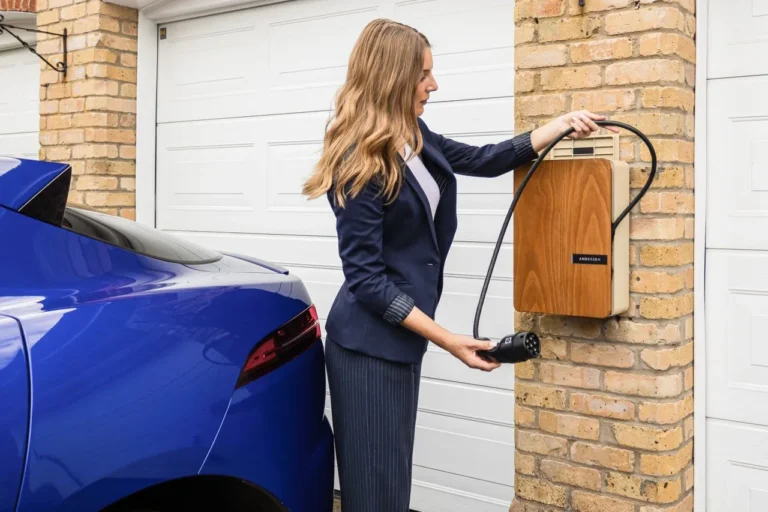
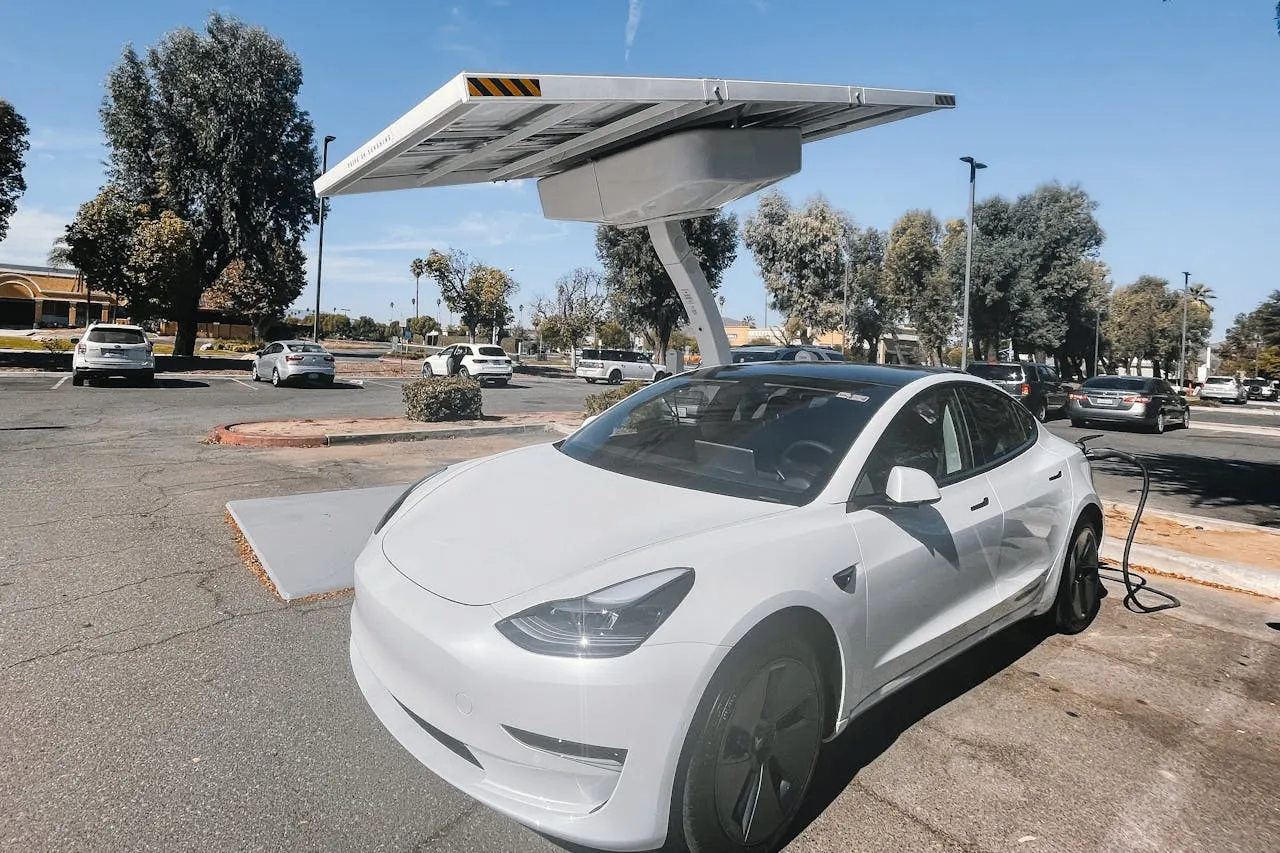
Public charging availability and reliability represent the most improved satisfaction factor across both premium and mass market BEV segments in the 2026 study. Premium BEV owners report a public charging satisfaction score of 652 on a 1,000-point scale, while mass market BEV owners score 511, marking year-over-year gains of 101 and 115 points respectively. These improvements are largely attributed to the rapid expansion of charging infrastructure nationwide, combined with improved station uptime and clearer pricing structures. The opening of high-speed charging networks previously restricted to select brands has played a pivotal role in improving the charging experience, particularly for mass market owners who now enjoy access to faster and more reliable charging options during long-distance travel.
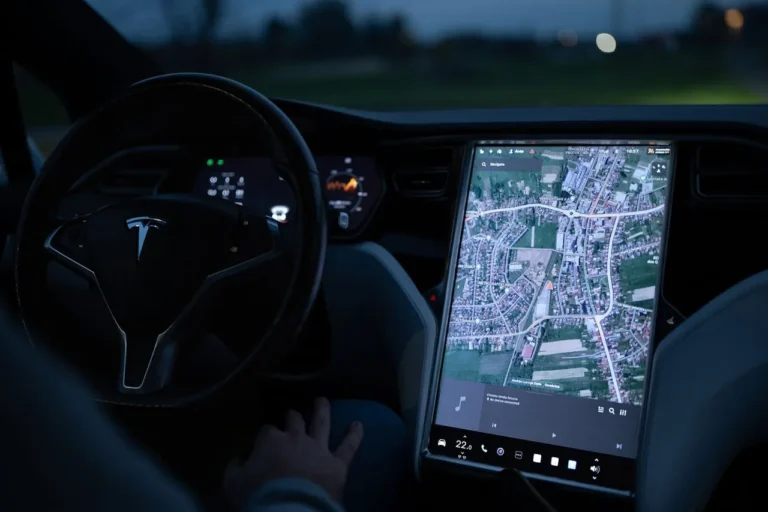
As charging networks expand geographically and technologically, EV owners are increasingly able to integrate electric driving seamlessly into their routines. The growing density of chargers in urban centers, suburban corridors, and highway routes has reduced planning friction and minimized detours. Enhanced navigation systems that integrate real-time charger availability and status updates have further improved confidence. Satisfaction among owners of vehicles from Tesla has rebounded notably as drivers adapt to broader access across charging ecosystems, illustrating how interoperability and openness are now key factors in shaping positive ownership perceptions.
Quality improvements are another major factor driving higher satisfaction scores, particularly in the premium BEV segment. The 2026 EVX study reports that total problems experienced by premium BEV owners have declined to 75.0 problems per 100 vehicles, representing an improvement of nearly 16 PP100 year over year and marking the best quality performance recorded for this segment in the study’s history. Reductions in interior squeaks and rattles, fewer issues with advanced driver assistance systems, and lower reports of excessive exterior noise have significantly enhanced perceived build quality. These gains reflect manufacturers’ growing expertise in EV-specific vehicle architectures and materials, as well as tighter software integration across vehicle systems.
While mass market BEVs still report higher total problem rates than premium models, their quality trajectory continues to move in a positive direction. With 92.2 problems per 100 vehicles, mass market EVs demonstrate meaningful improvement over previous years, supported by better manufacturing consistency and more robust component validation. As automakers scale EV production and refine assembly processes, quality gaps between premium and mass market offerings are narrowing, reinforcing consumer trust in more affordable electric models and supporting broader market adoption.
A consistent finding in the 2026 study is the clear satisfaction advantage held by BEVs over plug-in hybrid electric vehicles across both premium and mass market segments. BEV owners report higher overall satisfaction scores—786 in the premium segment and 727 in the mass market segment—outpacing comparable PHEV owners by wide margins. The most pronounced difference appears in cost-of-ownership satisfaction, where premium BEVs score 114 points higher than premium PHEVs and mass market BEVs outperform their PHEV counterparts by 117 points. While PHEVs offer improved efficiency compared with traditional internal combustion vehicles, they retain engine-related maintenance requirements, service intervals, and long-term ownership costs that BEVs avoid entirely, giving fully electric vehicles a decisive advantage in owner perception.
The 2026 EVX Ownership Study rankings illustrate a highly competitive BEV market where performance, quality, and user experience differentiate top models. The Tesla Model 3 ranks highest overall and leads the premium BEV segment with a score of 804, followed closely by the Model Y at 797 and the BMW i4 at 795, reflecting strong consumer appreciation for performance, design, and software integration from brands such as BMW. In the mass market segment, the Ford Mustang Mach-E claims the top position with a score of 760, demonstrating continued strength for electric offerings from legacy automakers like Ford Motor Company. The Hyundai IONIQ 6 and Kia EV9 round out the top three, highlighting the growing influence of Korean brands including Hyundai Motor Company and Kia in shaping the global EV landscape.
The study includes nine award-eligible models in both the premium and mass market BEV categories, reflecting a broad and diverse competitive field. Average satisfaction among premium BEV owners rose to 786 in 2026, up sharply from 756 the previous year, while mass market BEV satisfaction edged up to 727 from 725 in 2025. These gains demonstrate that improvements are not limited to high-end vehicles but extend across price points, reinforcing the idea that EV ownership benefits are becoming more universally accessible.
Although no models qualified for awards in the PHEV segments, overall satisfaction among PHEV owners also improved year over year. Premium PHEVs averaged a satisfaction score of 756, up from 741, while mass market PHEVs increased to 658 from 632. These gains reflect incremental improvements in battery performance and electric driving range, yet the persistent complexity of maintaining dual powertrains continues to weigh on long-term satisfaction compared with simpler, fully electric alternatives.
Now in its sixth year, the U.S. Electric Vehicle Experience Ownership Study focuses on the critical first year of ownership, capturing insights during the period when expectations are tested most intensely. The overall EVX Ownership Index evaluates satisfaction across 10 key factors, including battery range accuracy, public charging availability, cost of ownership, driving enjoyment, home charging convenience, styling, safety and technology features, service experience, and vehicle quality and reliability. This comprehensive framework allows for consistent benchmarking across vehicle types and segments, providing automakers and consumers with a clear view of evolving ownership dynamics.
The study is conducted in collaboration with PlugShare, leveraging real-world charging data and driver insights to enhance the accuracy of public charging satisfaction measurements. Survey respondents include 5,741 owners of 2025 and 2026 model-year BEVs and PHEVs, with data collected between August and December 2025. By combining owner feedback with charging infrastructure intelligence, the EVX study continues to set the industry standard for evaluating the total EV ownership experience and offers a compelling snapshot of a market that, despite external volatility, is steadily earning the loyalty and enthusiasm of its drivers.
Source Link:https://www.businesswire.com/