During National Volunteer Week, a significant milestone for community development in Detroit took shape as the Detroit ToolBank officially opened its doors in the city’s downtown area. The launch was not just about a new facility—it marked the beginning of a collaborative effort aimed at removing one of the most persistent barriers faced by nonprofits and grassroots organizations: access to affordable tools and equipment. Backed by major contributions from Ford Motor Company and Carhartt, the initiative promises to empower local communities by making essential resources more accessible and affordable.
At the heart of the opening ceremony was the announcement of a $25,000 “Re-Tooling Detroit” startup fund, jointly established by Ford Philanthropy and Carhartt. This fund is designed to cover initial lending fees for community organizations seeking to borrow tools from the ToolBank. By offsetting these early costs, the initiative ensures that nonprofits, schools, and community groups can immediately begin their projects without being hindered by financial constraints. Tools, often overlooked as a basic necessity, can represent a significant expense for organizations working on tight budgets. The ToolBank addresses this issue by offering equipment rentals at a fraction of their market cost—often described as “pennies on the dollar.”
The ribbon-cutting ceremony took place at the new East Milwaukee facility and drew a wide range of attendees, including civic leaders, nonprofit representatives, and volunteers. Among them was Mary Culler, president of Ford Philanthropy, who emphasized the alignment between the ToolBank’s mission and Ford’s broader community engagement goals. She highlighted that bringing the ToolBank to Detroit was a natural extension of ongoing efforts to support individuals and organizations that contribute to building and sustaining local communities. By underwriting the initial lending fees, Ford Philanthropy aims to eliminate delays and enable organizations to begin work immediately on projects that improve housing, infrastructure, and neighborhood vitality.
The Detroit ToolBank is part of a broader network operated by ToolBank USA, which has successfully established similar hubs in cities across the United States. Trey Bearden, CEO of ToolBank USA, described the Detroit launch as a pivotal moment for the organization. He noted that the involvement of Ford and Carhartt goes far beyond financial support. Their participation ensures that logistical challenges and cost barriers do not prevent community members from taking action. According to Bearden, the partnership reflects a shared commitment to fostering a culture of hands-on engagement and community-driven development.
Also present at the event were Carhartt President and CEO Linda Hubbard and Detroit ToolBank Executive Director Dave Bartek. Both leaders underscored the importance of collaboration in addressing community needs. Carhartt, known for its durable workwear, extended its support by providing essential gear for disaster relief teams associated with the ToolBank. This contribution ensures that volunteers and workers are equipped with reliable clothing and protective equipment, particularly in challenging environments.
The impact of the ToolBank was almost immediate. Within hours of the ribbon-cutting ceremony, tools were already being checked out and put to use. The very next morning, nearly 200 volunteers from Ford and Carhartt gathered at Belle Isle, one of Detroit’s most iconic public spaces, to participate in a large-scale volunteer project. Equipped with brand-new tools and custom wood kits supplied by the ToolBank, the volunteers spent the day assembling picnic tables and Adirondack chairs. These installations are intended to enhance the park’s amenities and provide lasting benefits for residents and visitors alike.
This rapid deployment of resources illustrates the practical value of the ToolBank model. By maintaining an inventory of high-quality tools and making them readily available, the organization enables community groups to focus on execution rather than procurement. Projects that might otherwise be delayed or scaled back due to budget limitations can now proceed efficiently and effectively. The Belle Isle initiative serves as a tangible example of how access to tools can translate into visible improvements in public spaces.
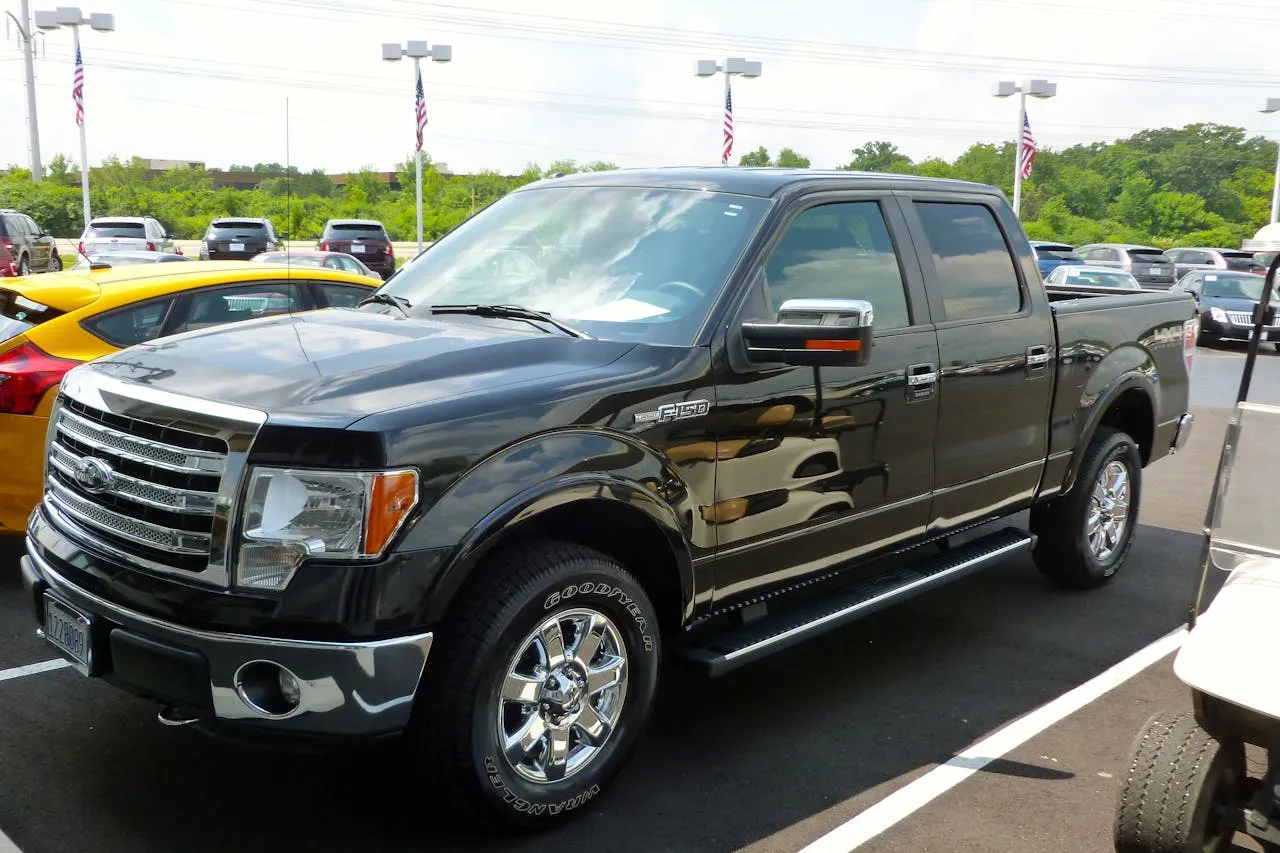
In addition to financial support, Ford Philanthropy contributed an Ford F-150 to the Detroit ToolBank. This donation plays a crucial role in the organization’s operations by facilitating the transportation of tools and equipment across Southeast Michigan. Mobility is a key factor in ensuring that resources reach the communities that need them most, particularly in a geographically diverse region. The F-150 enables the ToolBank to respond quickly to requests, whether for planned community projects or urgent disaster response efforts.
Carhartt’s involvement extends beyond apparel donations. The company’s participation reflects a broader commitment to supporting workers and volunteers who are actively engaged in building and rebuilding communities. By equipping disaster relief teams with durable gear, Carhartt helps ensure that individuals on the front lines of recovery efforts can perform their tasks safely and effectively. This alignment between product expertise and community service underscores the company’s role as more than just a sponsor—it is an active partner in the mission.
The establishment of the Detroit ToolBank comes at a time when many communities are seeking innovative solutions to address resource constraints and infrastructure challenges. Nonprofits and local organizations often operate with limited funding, making it difficult to invest in tools that may only be used occasionally. The ToolBank model addresses this inefficiency by centralizing resources and promoting shared access. This approach not only reduces costs but also encourages collaboration among organizations working toward similar goals.
Moreover, the ToolBank supports a wide range of applications beyond construction and maintenance. Its inventory can be used for disaster response, environmental cleanup, educational programs, and workforce training initiatives. By providing access to professional-grade equipment, the organization helps individuals develop practical skills that can enhance employability and career prospects. In this way, the ToolBank contributes not only to immediate project outcomes but also to long-term community development.
The “Re-Tooling Detroit” fund plays a critical role in ensuring the sustainability of these efforts. By covering initial lending fees, it lowers the barrier to entry for organizations that may be unfamiliar with the ToolBank or hesitant to allocate funds for tool rental. This early support encourages participation and helps build momentum as more groups experience the benefits of the program. Over time, increased usage and community engagement can lead to a self-sustaining ecosystem of shared resources and collaborative projects.
As the Detroit ToolBank begins its operations, the early signs point to a strong foundation for success. The combination of financial backing, corporate partnerships, and community involvement creates a robust framework for impact. The immediate utilization of tools and the successful execution of the Belle Isle project demonstrate both demand and effectiveness. These initial achievements set the stage for future initiatives that can further enhance the quality of life in Detroit neighborhoods.
Looking ahead, the ToolBank has the potential to become a central hub for community-driven development in the region. By continuing to expand its inventory, build partnerships, and engage volunteers, the organization can scale its impact and reach a broader audience. The involvement of established companies like Ford and Carhartt provides not only resources but also visibility, helping to attract additional support from other stakeholders.
In essence, the launch of the Detroit ToolBank represents more than the opening of a facility—it signifies a shift toward a more collaborative and resource-efficient approach to community building. By addressing the practical challenge of tool access, the initiative empowers individuals and organizations to take action, transform spaces, and strengthen neighborhoods. With its doors now open, its seed fund in place, and its first projects successfully completed, the Detroit ToolBank is already making a meaningful difference—one tool, one project, and one community at a time.
Source Link:https://www.fromtheroad.ford.com/