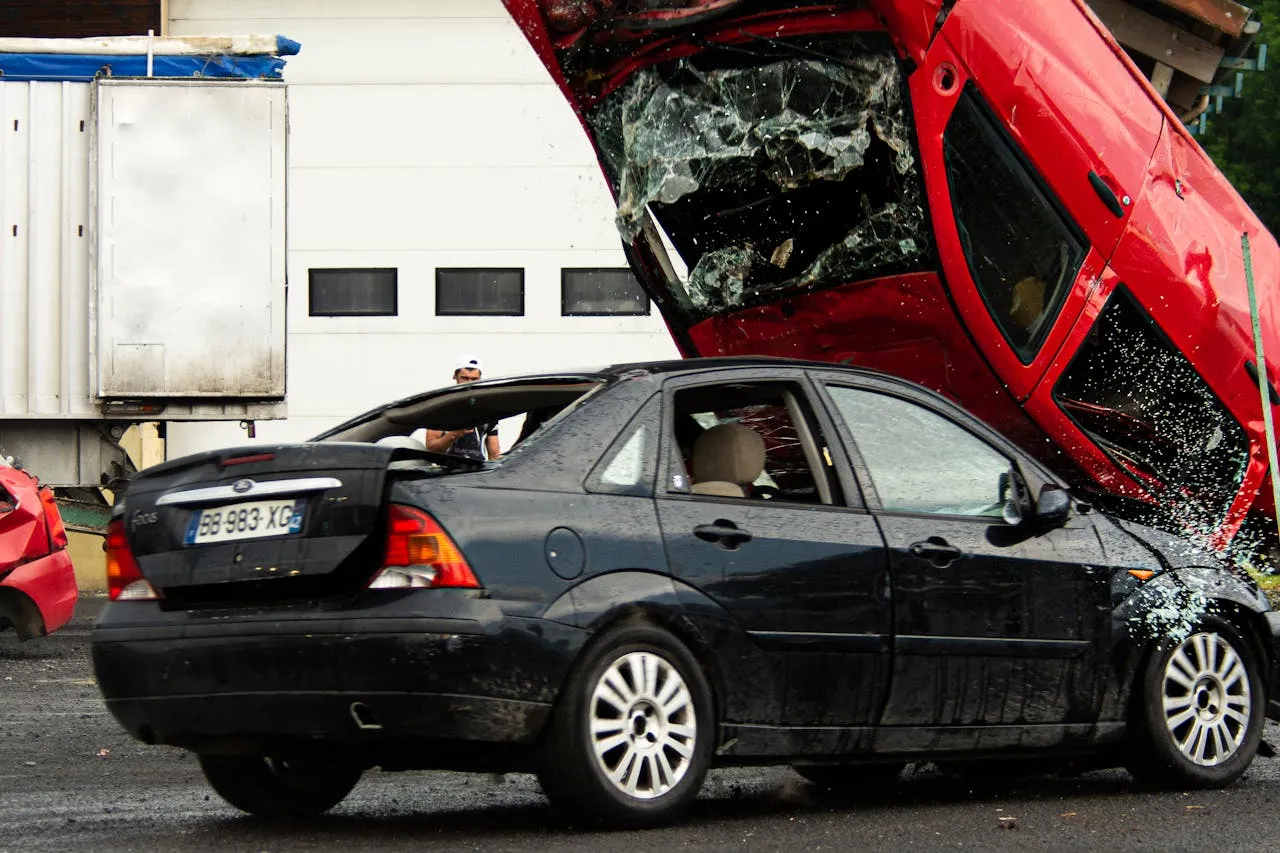
The moments immediately following a vehicle collision are often marked by confusion, uncertainty, and stress. Drivers involved in accidents frequently find themselves wondering what to do next—whether they should contact insurance providers, document damage, seek repairs, or determine which service centers they can trust. Recognizing the emotional and logistical challenges that arise after a crash, General Motors has expanded its digital support tools with the Collision Assistance experience, an in-app feature available through GM’s vehicle mobile applications.
Designed to simplify the often-overwhelming post-collision process, GM’s Collision Assistance tool offers drivers structured guidance from the scene of an accident through the vehicle repair journey. Available to eligible owners in the United States through the myChevrolet, myGMC, myBuick, and myCadillac mobile apps, the feature aims to make recovery after a collision more manageable and less stressful.
Car accidents remain an unfortunate reality for millions of drivers. According to estimates from the National Highway Traffic Safety Administration (NHTSA), nearly 17,000 police-reported vehicle crashes occur every day across the United States. In many of these cases, drivers are left navigating a complicated process involving insurance claims, repair estimates, and decisions about where to restore their vehicles.
For many motorists, the period after a collision can feel overwhelming. Beyond the immediate emotional shock, there are practical concerns about documenting the incident, ensuring passenger safety, understanding insurance requirements, and arranging repairs that maintain vehicle integrity and safety performance.
GM developed Collision Assistance to provide clearer direction during this uncertain period. Rather than leaving drivers to piece together information on their own, the company has integrated a digital pathway directly into its vehicle ownership ecosystem.
The goal is straightforward: reduce confusion, provide reliable guidance, and support drivers in making informed decisions about repairs and recovery.
The Collision Assistance experience functions as an interactive guide within GM’s suite of vehicle mobile applications. Instead of forcing drivers to search for information or coordinate multiple steps independently, the system consolidates important post-collision resources into one centralized experience.
The feature helps guide users through the immediate aftermath of an accident while allowing them to proceed at their own pace.
Drivers can use the app to document collision details, begin insurance-related processes, and identify repair facilities aligned with GM’s repair recommendations. By streamlining these actions into a structured workflow, GM seeks to ease uncertainty and improve confidence among vehicle owners.
Importantly, the experience is not designed to replace emergency services or interfere with urgent safety decisions. Instead, it complements emergency procedures by offering support after immediate concerns have been addressed.
This distinction reflects GM’s emphasis on ensuring drivers prioritize safety first before turning to administrative and repair-related tasks.
One of the most practical aspects of Collision Assistance is its ability to help drivers document key details directly at the accident scene.
Following a collision, details can quickly become difficult to remember. Stress and adrenaline may cause drivers to overlook important information that could later be needed for insurance claims or repair evaluations.
GM’s app-based prompts help guide users through documenting critical information in an organized manner.
Using the smartphone’s camera and guided instructions, drivers can capture photographs of vehicle damage, accident surroundings, and other relevant details. The structured prompts help ensure users collect information methodically rather than relying on memory during a stressful moment.
This process may also help support smoother insurance communication later, since properly documented information can reduce misunderstandings and provide clearer evidence about the incident.
By embedding this functionality directly into the vehicle mobile app, GM removes the need for drivers to download separate tools or search for external resources during a difficult situation.
Another defining aspect of Collision Assistance is its self-paced design.
The company recognizes that no two collision experiences are alike. Some drivers may feel ready to begin handling administrative tasks immediately after an accident, while others may prefer to wait until emotions settle and immediate safety concerns have passed.
To accommodate different circumstances, the feature provides a guided experience that users can engage with when they feel ready.
Rather than demanding instant interaction, the system allows drivers to proceed step by step at a pace that works for them. This approach minimizes additional stress during an already difficult time.
Importantly, the tool is designed not to interrupt emergency calls or interfere with on-scene decisions. Drivers remain free to focus on safety, communication with authorities, or medical needs without feeling pressured to complete in-app actions immediately.
The feature instead acts as a support system that becomes available when users are prepared to move forward.
GM has also introduced a new enhancement to Collision Assistance: a self-discovery capability.
Previously, post-collision support tools may have depended on automatic triggers or specific circumstances to activate. Now, drivers can independently initiate the Collision Assistance process themselves within the mobile app.
This added flexibility gives users greater control over when and how they begin navigating next steps after a crash.
For instance, some vehicle owners may prefer to take time before beginning insurance-related actions or researching repair facilities. The self-discovery feature allows them to launch the Collision Assistance experience when they choose, rather than feeling locked into a rigid process.
The system also includes pause-and-return functionality.
If drivers are not prepared to continue immediately, they can temporarily stop the process and revisit it later. This flexibility recognizes that accident recovery is rarely linear and that people may need time before handling documentation or repair planning.
By giving customers the option to pause and resume, GM aims to provide support without adding pressure during a stressful event.
One of the most significant decisions after a collision involves selecting where to repair a damaged vehicle.
While drivers ultimately retain the freedom to choose their repair facility, GM’s Collision Assistance tool serves as an informational resource designed to make that decision more informed.
Through the mobile app, users can connect with facilities within the GM Collision Repair Network.
This network includes both independent body shops and GM dealership repair centers that follow GM-recommended repair procedures. These facilities are equipped to address the complexities of modern vehicles, many of which incorporate advanced electronics, driver-assistance systems, and highly engineered structural components.
Modern vehicle repair extends far beyond cosmetic restoration. Improper repairs can potentially affect performance, safety systems, and long-term reliability.
Because of this, GM emphasizes repair procedures intended to help maintain vehicle functionality and safety.
Facilities within the GM Collision Repair Network are guided by manufacturer-recommended repair standards.
These repair centers utilize specialized tools and equipment designed for GM vehicles and are trained to perform both pre-repair and post-repair scans. Such scans are increasingly important in today’s vehicles, which depend on sensors, cameras, and advanced software systems to support functions ranging from collision alerts to driver-assistance technologies.
A proper repair process may include recalibration of safety-related systems, inspections of structural integrity, and verification that vehicle technologies continue functioning as intended after repairs are completed.
GM positions its Collision Repair Network as a way to help customers access facilities equipped to perform repairs according to the automaker’s recommendations.
For drivers unfamiliar with collision repair requirements, this guidance may provide added reassurance and reduce uncertainty about repair quality.
An additional component of GM’s post-collision strategy involves the use of parts specifically engineered for its vehicles.
Facilities within the repair network have access to GM Genuine parts and components from ACDelco, which are designed to integrate with GM vehicle systems.
Vehicle parts play a significant role in post-collision performance and compatibility. In many cases, modern safety systems are calibrated around specific component specifications, meaning replacement choices can influence how systems function over time.
GM states that its Genuine parts and ACDelco components are engineered specifically for its vehicles to help support performance and maintain the operation of key safety systems.
This focus aligns with broader automotive industry efforts to ensure repaired vehicles continue meeting intended operational standards after collisions.
For many vehicle owners, the biggest benefit of Collision Assistance may simply be peace of mind.
After a collision, uncertainty often becomes one of the greatest challenges. Drivers may not know what paperwork to complete, who to contact first, or whether repair recommendations can be trusted.
By consolidating documentation tools, repair guidance, and access to recommended facilities into one platform, GM hopes to eliminate much of the guesswork.
Instead of repeatedly asking, “What do I do now?” drivers have access to a structured support system designed to guide them through each stage of the recovery process.
This can help reduce stress while improving confidence that necessary steps are being completed properly.
Collision Assistance also represents a broader shift in how automakers are approaching customer ownership experiences.
Increasingly, manufacturers are expanding beyond vehicle sales and maintenance into digital ecosystems that provide ongoing support throughout the ownership journey.
For GM, the Collision Assistance feature serves as part of a larger effort to strengthen customer confidence and convenience.
By integrating post-collision support into vehicle mobile apps, the automaker aims to create a more seamless experience that extends from the moment a crash occurs through the completion of repairs.
Combined with the GM Collision Repair Network and access to GM Genuine and ACDelco parts, the system is intended to help drivers navigate a stressful event with greater clarity and confidence.
As vehicle technologies continue evolving and repair processes become more complex, tools like Collision Assistance may play an increasingly important role in helping drivers make informed decisions while simplifying one of vehicle ownership’s most difficult moments.
Source Link:https://news.gm.com/