The global automotive industry is rapidly moving toward a new era of transportation, with battery electric vehicles (BEVs) increasingly becoming a mainstream choice rather than a niche alternative. Rising fuel prices, advancements in electric vehicle technology, and the growing availability of models across multiple price segments have significantly improved the appeal of electromobility in markets around the world. However, while consumer interest is rising, the journey toward widespread adoption is still shaped by several critical challenges, including charging infrastructure, consumer confidence, and the development of a healthy used electric vehicle market.
These insights emerge from the latest BearingPoint E-Mobility Attractiveness Index 2026, which surveyed more than 10,000 consumers across Germany, the United Kingdom, the United States, China, and India. The study provides a comprehensive view of how consumers perceive electric mobility and identifies the factors that could determine whether the industry successfully transitions from early adoption to mass-market acceptance.
According to the findings, electromobility has reached a pivotal stage in its development. While electric vehicles have gained substantial momentum in recent years, their long-term success will depend on resolving concerns related to charging accessibility, vehicle resale value, battery health, and ownership risks.
One of the most significant conclusions from the study is that electric vehicles are no longer viewed as a niche product for environmentally conscious consumers or technology enthusiasts. Instead, they have become a serious consideration for a growing number of buyers planning future vehicle purchases.
Among consumers intending to purchase a vehicle within the next three years, battery electric vehicles emerged as the preferred option in most of the analyzed markets. This marks an important shift in consumer behavior and suggests that electric mobility is moving beyond the early adopter phase.
Even in countries such as Germany and the United Kingdom, where overall public sentiment toward electric vehicles remains relatively cautious, purchase-ready consumers show a much stronger preference for BEVs. This indicates that once consumers actively engage in the vehicle-buying process and evaluate available options, electric vehicles become increasingly attractive.
The trend highlights a critical distinction between general public opinion and actual purchase intentions. While broad surveys may still reveal skepticism toward EVs, consumers preparing to make real purchasing decisions often evaluate the practical benefits more favorably.
As a result, the study suggests that many markets are approaching a critical tipping point where electric vehicles could become the dominant choice among new-car buyers.
Among the countries included in the study, India stands out as a particularly promising market for electromobility. Despite having lower average purchasing power compared with Western markets, Indian consumers demonstrate a high level of openness toward electric vehicles.
Respondents in India frequently associate electromobility with potential cost savings, reduced fuel expenses, and the long-term economic advantages of EV ownership. At the same time, they recognize the importance of expanding charging infrastructure to support broader adoption.
The findings suggest that India may have substantial growth potential as electric vehicle technologies become more affordable and charging networks continue to expand. Government initiatives, increasing urbanization, and rising environmental awareness are also contributing to the country’s growing interest in electric transportation.
The study indicates that the transition from early adopters to mainstream consumers is already underway in several regions, with India positioned as one of the markets likely to experience significant future growth.
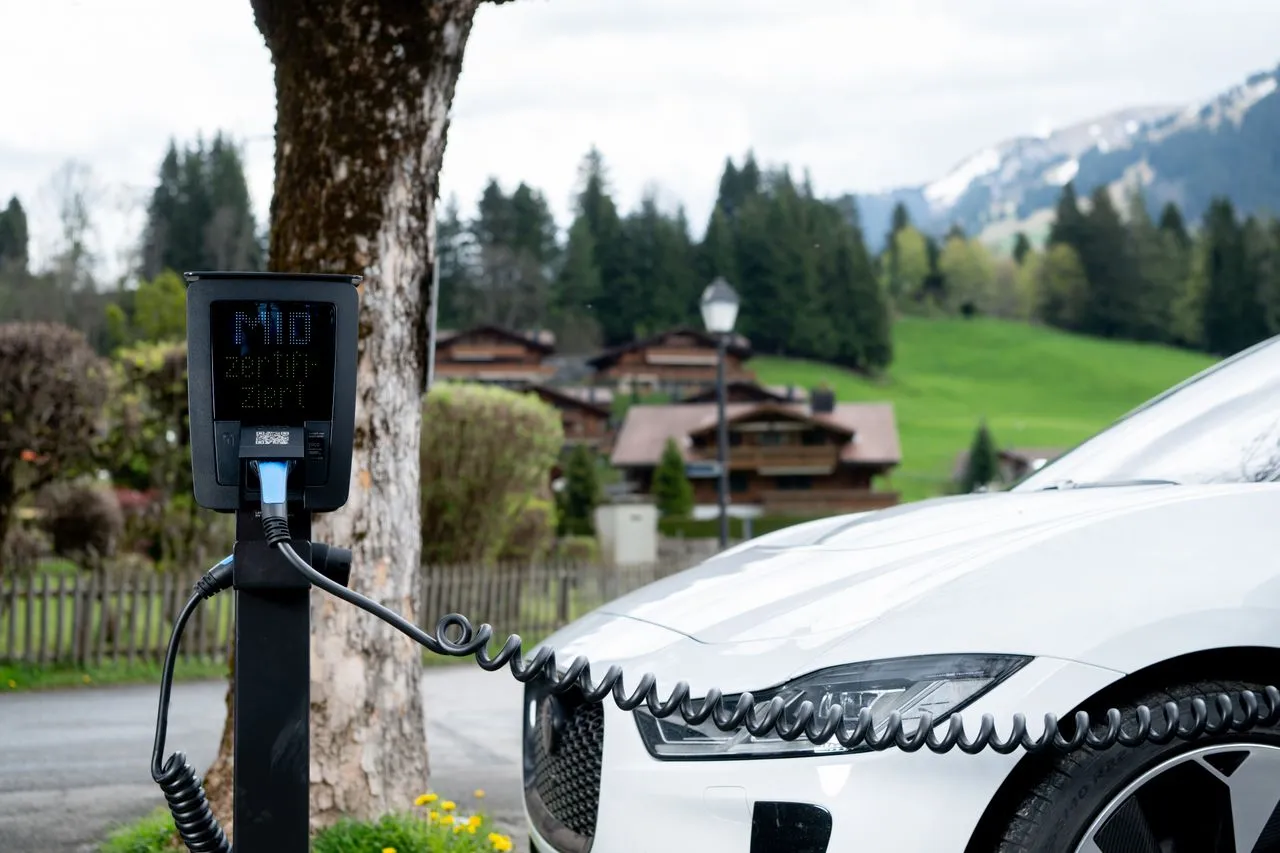
While vehicle technology has improved dramatically in recent years, charging infrastructure continues to represent one of the most significant barriers to widespread electric vehicle adoption.
The survey found that a substantial percentage of consumers in major Western markets still lack reliable access to charging facilities. Approximately 45 percent of respondents in Germany, 52 percent in the United Kingdom, and 41 percent in the United States reported insufficient access to dependable charging options, particularly at home or in workplace environments.
Although public charging stations are becoming more common, many consumers continue to view them as inadequate for meeting daily transportation needs. The availability of convenient and reliable charging remains essential for building confidence among prospective buyers.
Modern electric vehicles have made remarkable progress in terms of driving range, charging speeds, and overall performance. In many cases, these improvements have eliminated concerns that once discouraged potential buyers. However, consumers continue to worry about whether they will be able to charge their vehicles conveniently in everyday situations.
For many households, especially those without dedicated parking spaces or private garages, access to home charging remains limited. Workplace charging opportunities also vary widely depending on location and employer support.
As a result, infrastructure development remains one of the most important factors influencing the future growth of the electric vehicle market.
Another major finding from the study is the importance of firsthand experience in shaping consumer perceptions of electric vehicles.
A surprisingly large proportion of respondents reported that they had never driven an electric vehicle. The numbers remain particularly high in Western markets, where 79 percent of respondents in the United Kingdom, 76 percent in the United States, and 62 percent in Germany indicated that they lacked direct experience with EVs.
This lack of exposure creates a significant challenge for manufacturers and dealers seeking to increase adoption rates.
For many consumers, electric mobility remains an unfamiliar concept. Without personal experience behind the wheel, concerns about range, charging, performance, and ownership costs often remain unresolved.
The study highlights test drives as one of the most effective tools for overcoming these barriers. Once consumers experience the smooth acceleration, quiet operation, and advanced technology offered by modern electric vehicles, many become more receptive to the idea of ownership.
Increasing opportunities for consumers to interact directly with electric vehicles could therefore play a major role in accelerating market adoption.
The research also reveals a notable shift in how consumers evaluate vehicle purchases. Buying an electric vehicle is increasingly viewed through the lens of risk management rather than simply price comparison.
Across all surveyed markets, consumers identified battery reliability, battery lifespan, repairability, warranty coverage, vehicle safety, and cybersecurity as among the most important factors influencing purchase decisions.
While vehicle pricing remains important, consumers rarely assess costs in isolation. Instead, they evaluate the long-term financial implications of ownership, including maintenance expenses, potential repairs, and future resale values.
This represents a significant change from traditional automotive purchasing behavior, where brand image and emotional appeal often played a larger role.
Today’s electric vehicle buyers are more likely to focus on measurable performance factors and long-term reliability. They want reassurance that the vehicle’s battery will maintain performance over time, that repairs will be manageable, and that software systems will remain secure and up to date.
This trend presents both opportunities and challenges for automakers. Manufacturers capable of demonstrating reliability, transparency, and long-term value may gain a competitive advantage, while those relying primarily on brand heritage could face increasing pressure.
While new electric vehicle sales continue to grow, the study identifies the used-car market as one of the industry’s most significant structural weaknesses.
Consumer willingness to purchase used electric vehicles remains limited due to concerns about battery condition, remaining lifespan, and future repair costs. Acceptance of used BEVs often depends on strict requirements regarding vehicle age, mileage, and ownership history.
The research found that interest in used electric vehicles declines sharply once a vehicle exceeds approximately three years of age. This trend is particularly noticeable in Germany and the United Kingdom.
Importantly, consumer hesitation is not primarily driven by price. Instead, uncertainty surrounding battery health and long-term ownership risks outweighs potential financial savings.
Many buyers prefer purchasing new electric vehicles because they provide greater confidence regarding battery condition, warranty protection, and future maintenance expenses.
As electric vehicle technology continues to evolve rapidly, some consumers worry that older models may become obsolete more quickly than traditional vehicles.
This dynamic creates a widening gap between the new and used electric vehicle markets, potentially limiting the overall sustainability of the EV ecosystem.
One potential solution identified by the study is the introduction of transparent battery health certification systems.
Across all surveyed markets, respondents indicated that a trusted battery health certificate would significantly increase their willingness to purchase a used electric vehicle.
Such certifications could provide independent verification of battery condition, remaining capacity, and expected performance. By reducing uncertainty, these assessments would help consumers make more informed purchasing decisions.
Industry experts believe that standardized battery evaluation systems could play a critical role in strengthening residual values and improving confidence in the secondary EV market.
In addition, clearly defined strategies for battery reuse, second-life applications, and recycling could further enhance consumer trust and support long-term market growth.
Without these measures, the used electric vehicle market risks becoming a major bottleneck in the broader adoption of electromobility.
The study also reveals significant changes in brand attractiveness within the electric vehicle segment.
Traditional domestic manufacturers continue to maintain strong positions in their respective home markets. Companies such as BYD in China, Tata in India, and Volkswagen in Germany benefit from established brand recognition and consumer familiarity.
However, South Korean automakers Hyundai and Kia are gaining momentum across multiple regions. Their growing appeal is driven by perceptions of technological innovation, product quality, reliability, and overall value.
The research also highlights the rise of electric vehicle-native brands. Companies that built their reputations around electric mobility rather than transitioning from internal combustion engines are becoming increasingly attractive to consumers actively considering BEVs.
For example, while BYD may currently occupy a middle-tier position among general consumers in Western markets, its appeal increases significantly among buyers specifically interested in electric vehicles.
This trend suggests that future market share shifts could occur as consumer priorities continue to evolve.
The BearingPoint E-Mobility Attractiveness Index 2026 paints a picture of an industry on the verge of significant transformation. Consumer interest in electric vehicles is stronger than ever, and purchase-ready buyers increasingly view BEVs as their preferred option.
However, achieving mass-market adoption will require more than technological advancements. Expanding charging infrastructure, increasing consumer exposure to electric vehicles, strengthening the used EV market, and improving transparency around battery health will all be essential.
As the automotive industry continues its transition toward electrification, the next phase of growth will be determined not only by vehicle innovation but also by the ability of manufacturers, governments, and infrastructure providers to address the practical concerns that still influence consumer decision-making.
In markets such as China, the tipping point may already have been reached. In others, the momentum is building rapidly. What is clear is that electromobility is no longer a future concept—it is becoming an increasingly central part of the global automotive landscape.
Source link: https://www.businesswire.com