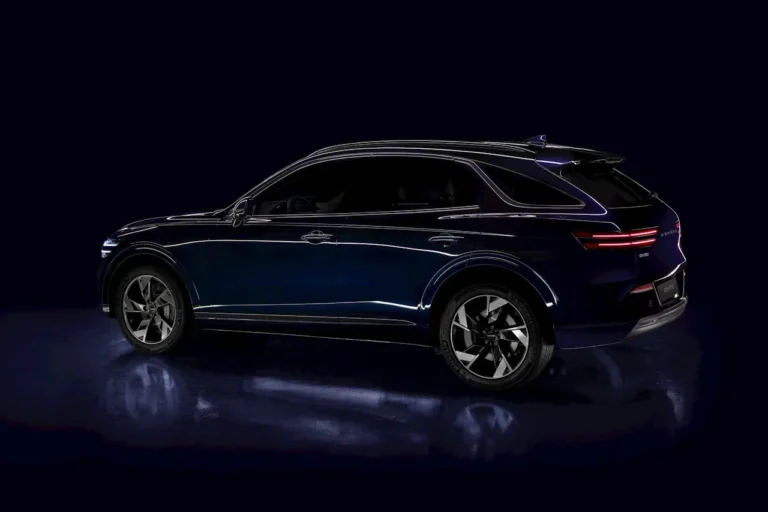
As an advanced adaptive suspension technology, MagneRide is reshaping how vehicles ride, handle, and respond to the road. With its latest fourth-generation system, MagneRide has moved beyond niche, high-end applications to prove its versatility across all major passenger vehicle segments—from sedans and SUVs to high-performance sports cars—and across all powertrains, including internal combustion, hybrid, and new energy vehicles (NEVs).
What sets MagneRide apart is its instantaneous adaptability. Instead of relying on traditional mechanical valves to adjust damping, MagneRide uses a magnetorheological (MR) fluid filled with microscopic iron particles. When exposed to a magnetic field, the viscosity of this fluid changes in real time. This allows the suspension to adjust over 1,000 times per second, tailoring damping force to road conditions, vehicle dynamics, and driving style with remarkable precision.
The global rollout of vehicles equipped with MagneRide demonstrates that this technology is no longer confined to concept cars or limited editions—it is being validated daily on real roads by real drivers.
These models underscore a key point: MagneRide is not limited to any one brand, region, or segment. Instead, it is emerging as a global benchmark for smart, adaptive suspension in the era of electrification and intelligent mobility.
General Motors (GM) has played a pivotal role in bringing MagneRide to mainstream audiences. Initially introduced on large luxury SUVs and performance models, MagneRide quickly proved it could significantly enhance both comfort and control in heavier vehicles. These applications highlighted how adaptive damping could reduce body roll, improve stability, and manage weight transfer during acceleration, braking, and cornering.
Building on this success, GM has extended MagneRide from gasoline-powered vehicles to electric models, including SUVs and pickups in its growing EV portfolio. This expansion is especially meaningful because electric vehicles often carry heavier battery packs, which can challenge traditional suspension systems.
MagneRide counters these challenges by:
For drivers, this means that whether they’re in a gasoline SUV, an electric pickup, or a luxury performance vehicle, they experience a familiar sense of confidence, composure, and refinement.
The ongoing collaboration between MagneRide technology and BWI Group is accelerating the adoption of magnetorheological suspension within the new energy vehicle (NEV) space. By combining BWI Group’s system integration capabilities with MagneRide’s core MR technology, the partnership is enabling:
For automakers, MagneRide offers a high-tech, stylish, and dynamic chassis solution that supports their brand positioning. For drivers, it means that one vehicle can comfortably play multiple roles: a relaxed daily commuter, a long-distance cruiser, and a capable performer when pushed.
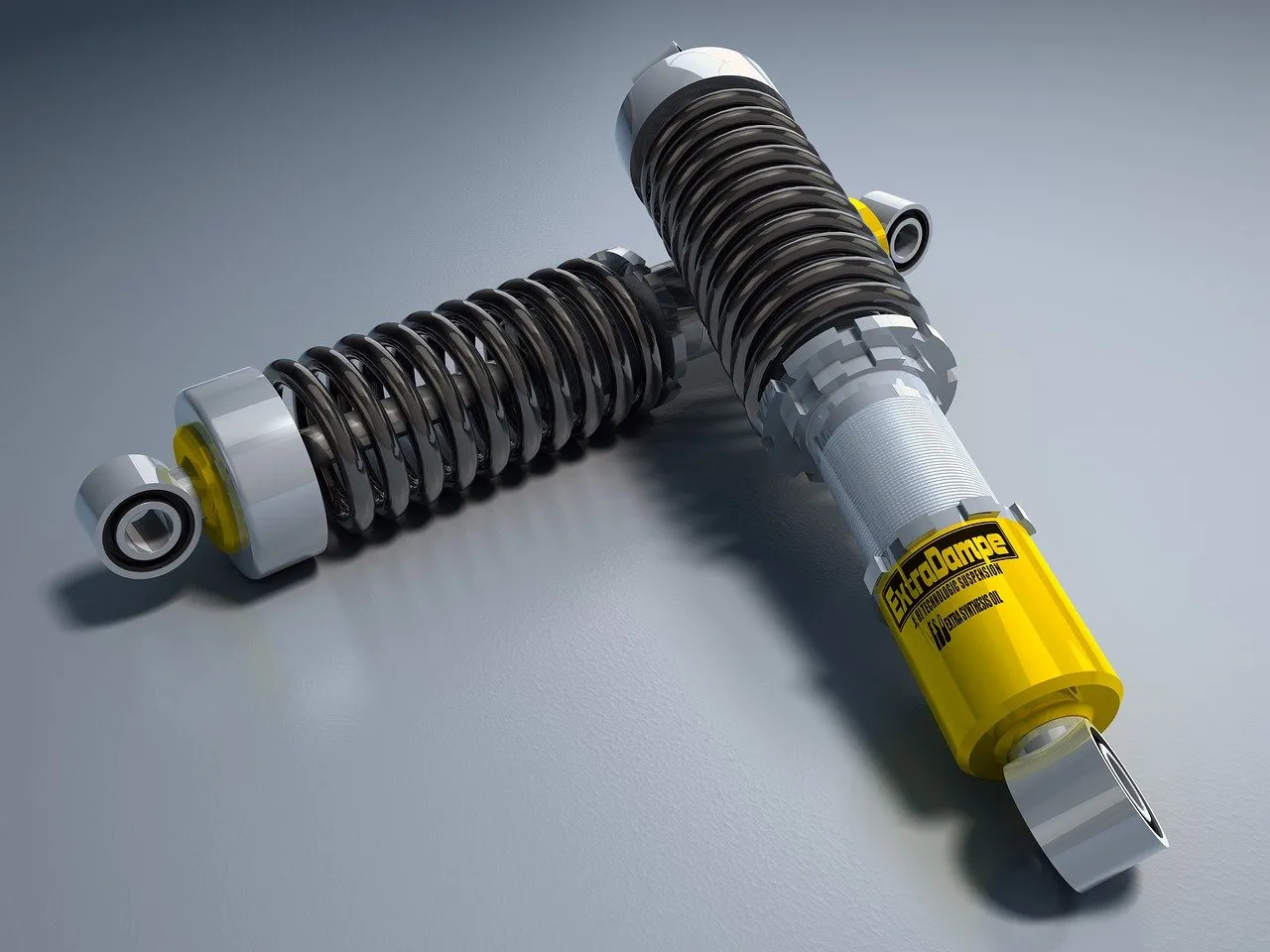
At the heart of MagneRide is a valve-free, semi-active damping system. Unlike conventional dampers, which rely on mechanical valves and preset orifices to control oil flow, MagneRide dampers contain MR fluid whose properties can be altered by electromagnetic coils.
Key technical advantages include:
MagneRide’s engineering strengths translate directly into tangible improvements in daily driving and spirited performance.
On rough or uneven roads:
On winding roads and racetracks:
On highways and long-distance journeys:
In all these scenarios, MagneRide continuously evaluates inputs from sensors, control units, and road estimation algorithms, making micro-adjustments in milliseconds to deliver a ride that feels both secure and refined.
The performance metrics of MagneRide dampers confirm their advantages over conventional setups:
Crucially, this technology is not restricted to top-end sports cars or luxury flagships. MagneRide has been successfully integrated into:
This broad platform compatibility underscores MagneRide’s role as a universal suspension solution for modern mobility.
As MagneRide continues to gain traction across global markets, it embodies the broader shift in automotive engineering toward intelligent, software-defined, and sensor-driven systems. Suspensions are no longer static components; they are becoming dynamic, updatable, and deeply integrated with vehicle control architectures.
In this new landscape, MagneRide stands out as a technology that:
For drivers, the result is simple but profound:
Every journey feels more tailored, every vehicle feels more capable, and every mile showcases the pinnacle of modern suspension engineering.
From everyday commuting to weekend track sessions, MagneRide is redefining what drivers can expect from their chassis—making advanced ride control not a luxury extra, but a realistic, scalable solution for vehicles across all segments and power sources.
Source Link:https://www.businesswire.com/