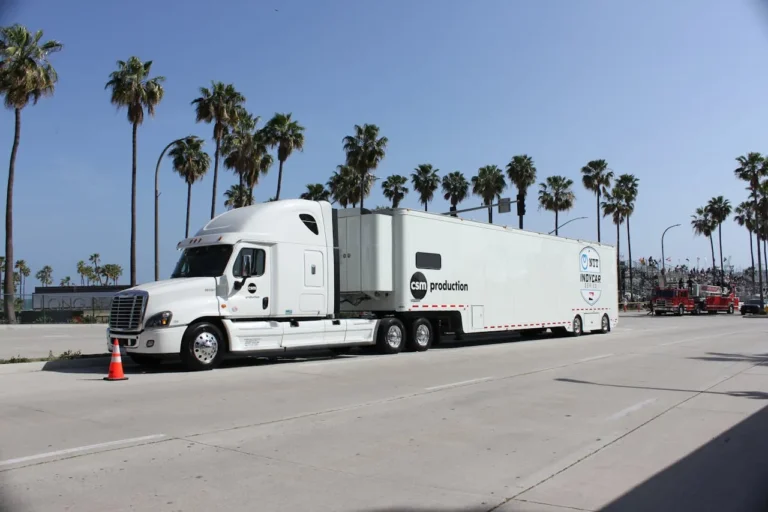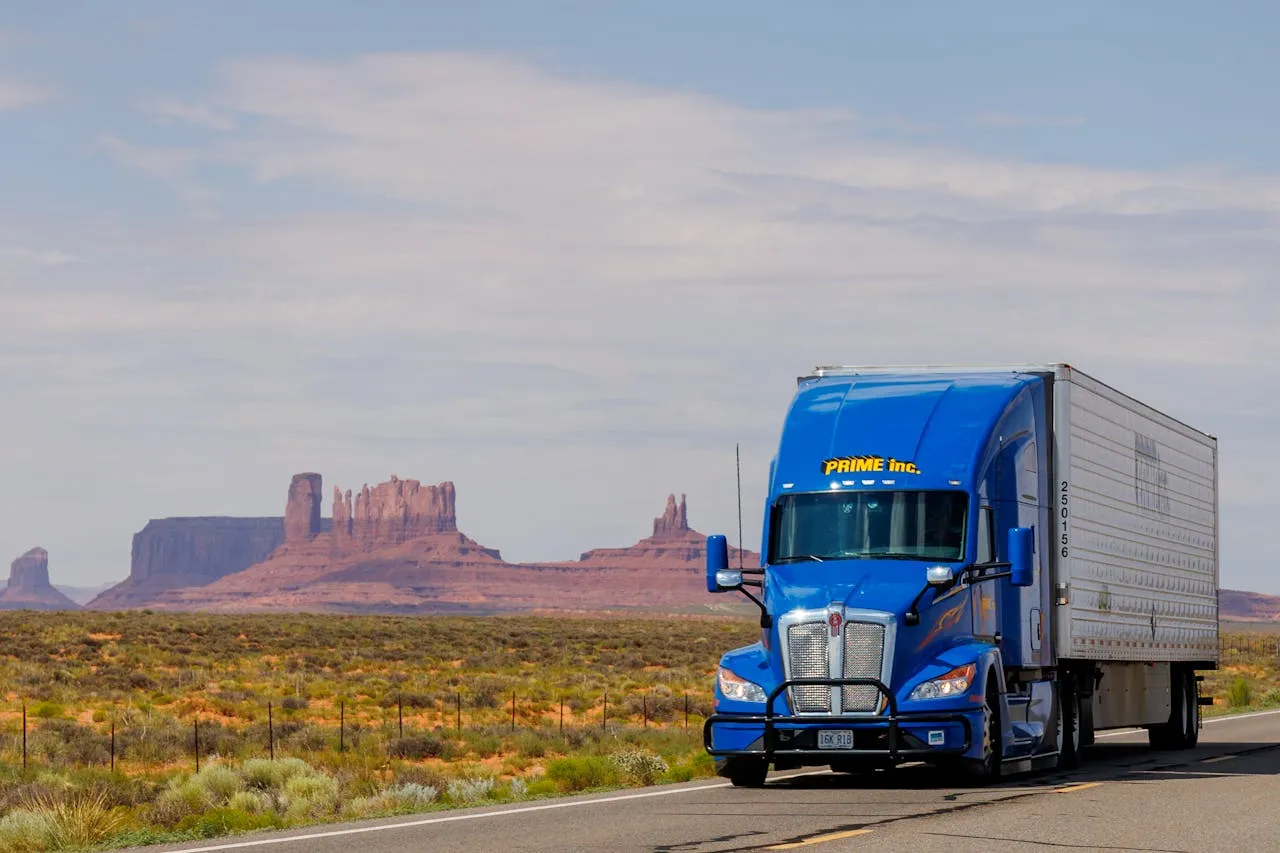
Aurora Innovation, Inc. has unveiled new research underscoring the transformative economic potential of autonomous freight technology, positioning it as a powerful force within the $1 trillion U.S. trucking industry. The report, commissioned by Aurora and conducted by Steer Group, highlights how self-driving trucking is already contributing billions to the economy while laying the groundwork for even greater impact over the next decade.
Autonomous Freight Already Delivering Economic Value
Although autonomous trucking remains in the early stages of deployment, its economic footprint is already substantial. According to the report, the sector currently supports approximately 17,000 jobs across the United States and generates $3.3 billion in total economic output. These figures demonstrate that autonomous freight is not merely a future concept but an emerging industry actively contributing to economic activity today.
Aurora’s continued development of its flagship self-driving system, the Aurora Driver, is central to this growth. Designed to operate heavy-duty trucks without human intervention, the technology represents a step-change in how goods are transported across long-haul highway networks.
Looking ahead, the report forecasts dramatic expansion. By 2035, autonomous trucking is projected to contribute $70 billion to U.S. GDP, signaling its role as a major growth engine within the logistics and transportation sector. This surge reflects not only increased adoption of the technology but also its ability to enhance efficiency, reduce operational costs, and unlock new economic opportunities.
Strengthening the Supply Chain Through Continuous Operations
One of the most significant advantages of autonomous trucking lies in its ability to create a more resilient and efficient supply chain. The U.S. freight industry is currently facing a persistent driver shortage, with projections suggesting a deficit of up to 1.2 million drivers over the next decade. Autonomous systems offer a viable solution to this challenge by enabling trucks to operate continuously without the constraints of human driving limits.
By transitioning to an “always-on” model, autonomous fleets can more than double vehicle utilization rates. This means trucks spend significantly more time on the road transporting goods, reducing delays and improving delivery timelines. The result is a more responsive and dependable supply chain capable of meeting growing consumer demand.
Efficiency gains extend beyond operational uptime. The report indicates that autonomous trucking could reduce fuel waste by as much as 32%, driven by optimized driving patterns and reduced idle time. These improvements translate into substantial cost savings, with shippers expected to save up to $5.7 billion in fuel expenses.
Ultimately, these efficiencies are projected to benefit consumers directly. Lower transportation costs are expected to ripple through the economy, increasing household purchasing power by an estimated $9 billion annually by 2035. This underscores how advancements in freight technology can have far-reaching impacts beyond the logistics sector, influencing everyday costs for American families.
The Safety Dividend of Self-Driving Technology
Safety remains one of the most compelling arguments for the adoption of autonomous trucking. Road accidents involving large commercial vehicles can have severe consequences, both in terms of human lives and economic costs. Autonomous systems, equipped with advanced sensors and real-time decision-making capabilities, have the potential to significantly reduce these risks.
The report estimates that by 2035, self-driving technologies like the Aurora Driver could prevent up to 490 fatalities, 8,800 injuries, and 23,000 crashes each year. When evaluated using standards from the U.S. Department of Transportation, these reductions equate to approximately $9.4 billion in annual safety benefits.
Improved safety outcomes are also expected to lower insurance costs across the freight industry. With fewer accidents and claims, insurance premiums could decrease by as much as 40%, reducing operating expenses for carriers and further enhancing the economic efficiency of the sector.
Workforce Evolution and New Career Opportunities
While the rise of autonomous trucking inevitably raises questions about the future of driving jobs, the report emphasizes that the technology will reshape rather than eliminate employment opportunities. For current drivers, the transition is expected to be gradual, allowing many to continue their careers until retirement.
At the same time, the growth of the autonomous trucking industry is creating a new generation of high-paying jobs. These roles span areas such as fleet monitoring, remote vehicle operation, maintenance of advanced systems, and software development. Notably, many of these positions do not require a traditional four-year college degree, making them accessible to a broad segment of the workforce.
The report highlights that 82% of workers in the autonomous vehicle sector currently earn above the national median wage, reflecting the high value placed on technical and operational expertise in this emerging field.
Aurora Works: Investing in the Workforce of Tomorrow
Recognizing the importance of workforce readiness, Aurora has launched an initiative aimed at preparing workers for the evolving demands of the industry. The company has committed $1 million to its Aurora Works program, marking a significant step toward building a sustainable talent pipeline.
This initiative focuses on establishing partnerships with educational institutions and training organizations to develop programs tailored to the needs of the autonomous trucking sector. By emphasizing skill development in areas such as technology maintenance, data analysis, and logistics operations, Aurora aims to ensure that workers are equipped to thrive in a rapidly changing environment.
Chris Urmson, co-founder and CEO of Aurora, emphasized the importance of aligning technological progress with workforce development. He noted that as the company scales its operations, it is equally committed to expanding opportunities for the people who drive the industry forward.
Industry Support and Broader Implications
The report and Aurora’s workforce initiatives have garnered support from key industry stakeholders, including Partners for Automated Vehicle Education (PAVE). The organization praised Aurora’s efforts to highlight the economic and employment potential of autonomous trucking while investing in the future workforce.
Tara Andringa, Executive Director of PAVE, აღნიშნა that the findings demonstrate how the sector is already contributing to job creation and economic activity across the country. She also highlighted Aurora’s leadership in advancing workforce development initiatives, noting that programs like Aurora Works are essential for ensuring that communities benefit from technological advancements.
A Transformative Decade Ahead
As autonomous trucking technology continues to evolve, its potential to reshape the U.S. economy becomes increasingly evident. From boosting GDP and enhancing supply chain efficiency to improving road safety and creating new career opportunities, the benefits extend across multiple dimensions.
The next decade will be critical in determining the pace and scale of adoption. Factors such as regulatory frameworks, technological advancements, and industry collaboration will play key roles in shaping the trajectory of autonomous freight.
However, the findings from Aurora’s report make one thing clear: autonomous trucking is no longer a distant vision. It is an emerging reality with the power to transform the logistics industry and deliver tangible benefits to businesses, workers, and consumers alike.
By investing in both technology and people, Aurora is positioning itself at the forefront of this transformation—helping to build a safer, more efficient, and economically vibrant future for the U.S. transportation sector.
Source Link:https://www.businesswire.com/