Interest in electric vehicles (EVs) among Canadian consumers is beginning to recover after years of stagnation, according to the latest findings from the 2026 Canada Electric Vehicle Consideration (EVC) Study released by J.D. Power. The report reveals that a growing number of new-vehicle shoppers are once again considering EVs for their next purchase, signaling renewed momentum in Canada’s transition toward electrified mobility.
The study found that 34% of Canadian consumers shopping for a new vehicle now say they are either “very likely” or “somewhat likely” to consider an EV as their next purchase. This represents a notable increase from 28% recorded in 2025 and marks the first meaningful rise in EV consideration since J.D. Power began tracking consumer attitudes in 2022.
The increase comes after several years during which consumer interest in EVs either plateaued or declined, largely due to affordability concerns, limited charging infrastructure, and uncertainty surrounding battery performance in cold climates. While renewed financial incentives and changing economic conditions appear to be helping shift sentiment, practical concerns continue to weigh heavily on many consumers’ decisions.
The recovery in EV interest suggests Canadian consumers may be becoming more open to electric mobility once again, particularly as ownership costs become more manageable and government support programs evolve.
Industry analysts note that several factors are contributing to the improved outlook. Rising gasoline prices have increased awareness of long-term fuel savings associated with electric vehicles, while renewed government incentives have lowered purchase barriers for many buyers.
According to the study, the increase in EV consideration marks a turning point for the Canadian automotive market, which had experienced slowing enthusiasm for EV adoption despite broader global momentum.
Consumers who previously hesitated due to financial concerns may now be reconsidering EV ownership as total cost-of-ownership discussions become more prominent. Savings on fuel and maintenance are increasingly being viewed as compelling benefits, especially for drivers who log high annual mileage.
However, while interest is growing, the market remains divided. A large portion of consumers remain unconvinced about transitioning away from traditional gasoline-powered vehicles.
Nearly half of Canadian shoppers—47%—say they are still “very unlikely” to consider purchasing an EV, underscoring the continued skepticism surrounding electric mobility.
This polarization highlights the challenge facing automakers and policymakers. While enthusiasm among some groups is rising, a substantial share of consumers remains firmly resistant, often citing practical concerns that go beyond purchase price.
One of the biggest developments influencing EV shopping behavior in Canada is the introduction of the Electric Vehicle Affordability Program (EVAP), launched earlier this year.
The program was introduced as a replacement for Canada’s former zero-emission vehicle incentive initiative, commonly known as iZEV. The new EVAP framework is designed to broaden access to purchase incentives and reduce the upfront cost burden associated with EV ownership.
Affordability has historically been one of the largest barriers to EV adoption in Canada. Although electric vehicles typically cost less to operate over time, higher sticker prices have discouraged many buyers from making the switch.
The study indicates that EVAP may already be having a measurable effect on consumer attitudes.
Overall, one-quarter of Canadian new-vehicle shoppers say the program has positively influenced their willingness to consider an EV purchase. Among consumers who are already inclined toward EV ownership, support for the incentive program is even stronger.
Of shoppers who describe themselves as “very likely” or “somewhat likely” to purchase an EV, 57% say EVAP has increased their interest in electric mobility.
Despite these encouraging signs, awareness of the new program remains relatively limited.
Many consumers still lack a clear understanding of how EVAP works, who qualifies, and how much financial support is available. This knowledge gap could slow adoption if shoppers fail to recognize the cost advantages available to them.
Automotive analysts believe education efforts may become increasingly important in helping consumers better understand incentive structures and evaluate total ownership costs more effectively.
Economic pressures are also reshaping vehicle purchase decisions.
Steadily increasing fuel prices are encouraging Canadian drivers to look more closely at alternatives that offer lower operating expenses. For many households, the ability to reduce monthly fuel spending has become a meaningful financial consideration.
J.D. Power Canada Managing Director J.D. Ney said the combination of rising fuel costs and the reintroduction of tax-credit-style incentives is contributing to the rebound in EV consideration.
However, he emphasized that affordability alone will not determine the future success of electric mobility in Canada.
According to Ney, practical day-to-day concerns continue to dominate consumer thinking. Shoppers want reassurance that EVs can reliably meet everyday transportation needs before committing to a purchase.
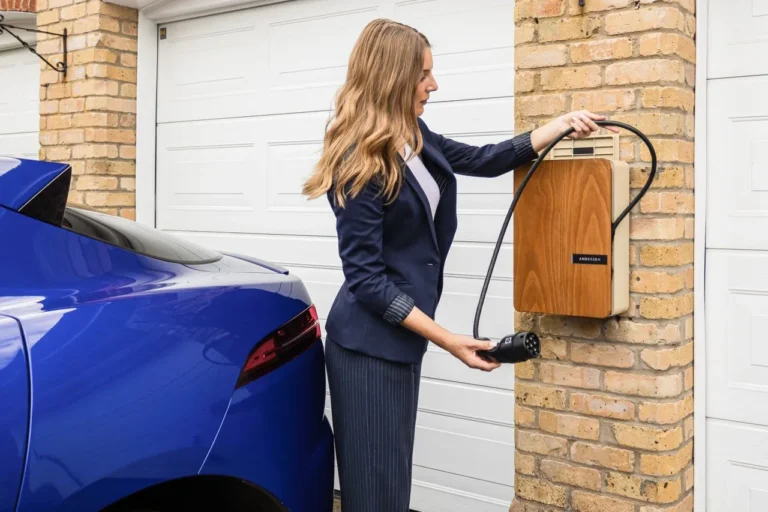
Consumers continue to ask fundamental questions: How far can an EV travel before charging? Will charging stations be available when needed? Can battery systems handle harsh Canadian winters?
These concerns remain central to the purchasing conversation, even among shoppers attracted by incentives and fuel savings.
While Canada is seeing a rebound in consumer interest, the country still lags significantly behind the United States when it comes to EV consideration.
The study found that 59% of U.S. consumers say they are likely to consider an EV for their next vehicle purchase—a number unchanged from the previous year but considerably higher than Canada’s 34%.
The difference suggests that American consumers remain substantially more comfortable with EV adoption than their Canadian counterparts.
Several factors may explain this gap.
The United States generally benefits from a larger charging network, wider EV model availability, and stronger public familiarity with electric mobility. Certain U.S. states also offer aggressive tax credits and infrastructure investments that help normalize EV ownership.
Canada, meanwhile, continues to face unique challenges tied to geography and climate.
Longer travel distances, colder temperatures, and uneven charging availability across provinces may contribute to greater hesitation among buyers.
At the same time, regional differences inside Canada itself reveal varying levels of openness toward EV adoption.
Quebec emerged as one of the strongest-performing provinces in the study, with EV consideration rising by 10 percentage points to 42%.
The province has long been viewed as a leader in EV adoption due to strong policy support, clean hydroelectric energy resources, and historically favorable purchase incentives.
Another significant finding from the study is growing openness toward Chinese electric vehicle brands.
Among Canadian shoppers who are already likely to consider an EV purchase, more than half—56%—say they would consider buying a Chinese EV brand.
Price competitiveness appears to be the strongest driver behind this openness.
Chinese automakers are widely expected to enter global markets with competitively priced vehicles, often featuring advanced in-car technology and attractive feature packages.
Even among the overall population of Canadian vehicle shoppers, nearly one-third—31%—say they are open to considering a Chinese EV.
This suggests meaningful market potential for international entrants if pricing strategies align with consumer expectations.
However, enthusiasm comes with caution.
Canadian consumers also expressed reservations about purchasing vehicles from unfamiliar manufacturers.
Quality and long-term reliability remain major concerns, with many shoppers questioning whether newer brands can meet the durability expectations associated with established automakers.
Security concerns also surfaced as an important hesitation point, particularly regarding connected vehicle technology and data privacy.
In addition, shoppers frequently cited worries about limited dealership networks, servicing options, and parts availability.
Without a well-established retail and aftersales ecosystem, some consumers may hesitate to trust unfamiliar brands despite attractive pricing.
For Chinese EV manufacturers hoping to gain traction in Canada, building confidence through quality assurance, customer service, and retail support will likely be essential.
Although affordability concerns appear to be easing, practical performance issues remain major obstacles to EV adoption.
Among shoppers who say they are unlikely to consider an EV, limited driving range continues to rank as the biggest barrier.
Sixty-five percent of hesitant shoppers cited limited distance per charge as their top concern.
Range anxiety—the fear of running out of battery power during travel—remains deeply rooted in consumer perception, especially in a country where long-distance travel is common.
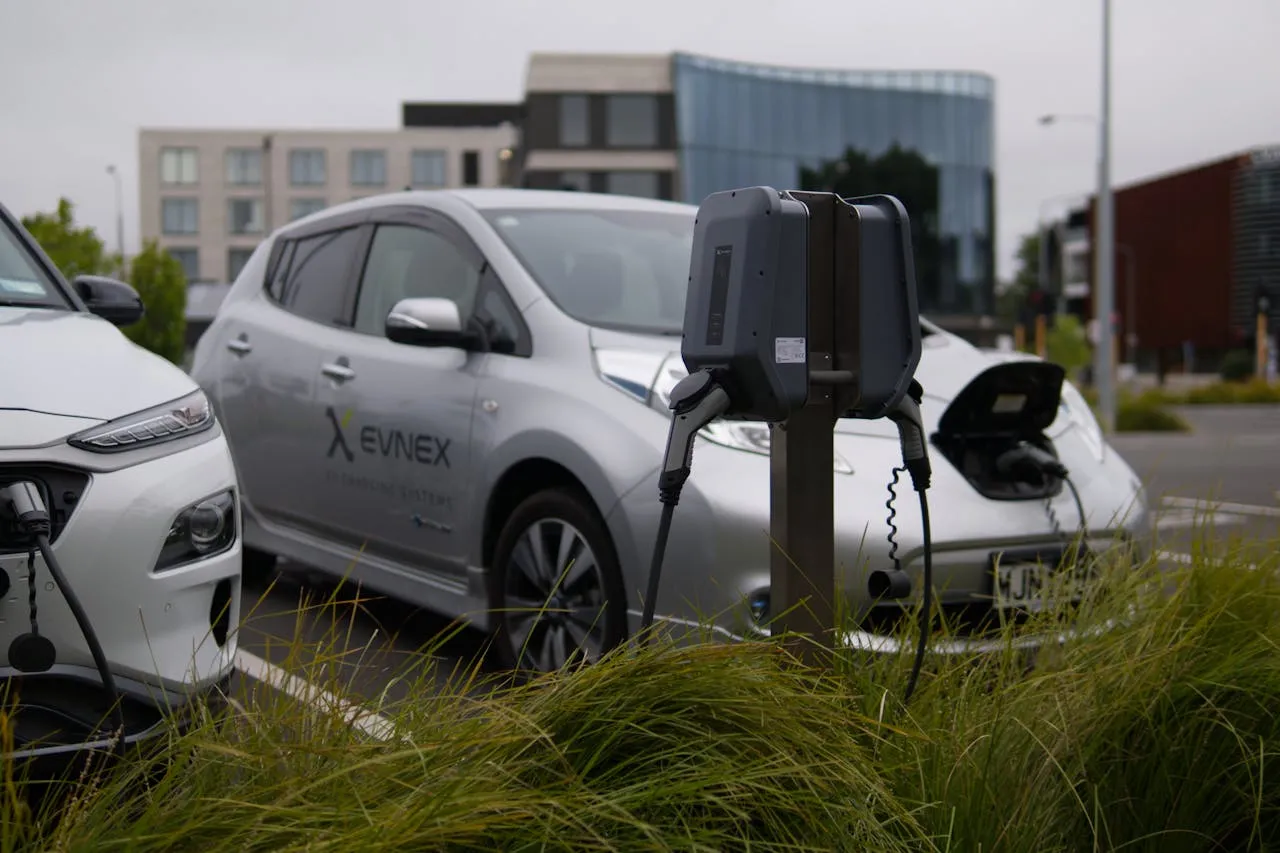
Charging infrastructure also remains a major issue.
More than half of skeptical shoppers, or 56%, identified insufficient charging station availability as a key reason for avoiding EVs.
For consumers living in rural communities or regions with sparse charging networks, the lack of convenient charging access creates a major psychological barrier.
Perhaps most notably, weather-related performance concerns have risen sharply.
The study found that inadequate EV performance in extreme temperatures—particularly cold weather—now ranks among the leading reasons consumers hesitate to switch to electric mobility.
Approximately 54% of hesitant shoppers expressed concerns about how EVs perform in harsh weather conditions.
Cold climates can reduce battery efficiency and driving range, making winter performance a particularly important issue for Canadian consumers.
Questions surrounding charging reliability, cabin heating efficiency, and battery degradation during freezing temperatures remain unresolved for many potential buyers.
Interestingly, purchase price no longer ranks among the most significant barriers to EV adoption.
This shift suggests that incentives, declining battery costs, and broader market competition may be helping alleviate affordability concerns, allowing practical considerations to take center stage.
The findings from the 2026 Canada Electric Vehicle Consideration Study reveal a market at an important crossroads.
Consumer interest is recovering after years of uncertainty, helped by renewed incentives and economic pressures that make fuel savings increasingly attractive.
However, the path to mass adoption remains far from guaranteed.
Canadians continue to prioritize reliability, convenience, and real-world usability over environmental aspirations alone.
For automakers, this means success in Canada may depend less on marketing sustainability and more on solving practical concerns through better charging infrastructure, improved winter performance, longer range capabilities, and stronger customer education.
The results also indicate that affordability improvements are beginning to work. Yet convincing reluctant buyers will require addressing everyday realities that shape vehicle ownership experiences.
As the EV market continues to evolve, the next phase of growth in Canada may ultimately depend on whether manufacturers and policymakers can turn rising curiosity into lasting consumer confidence.
The 2026 Canada Electric Vehicle Consideration Study gathered responses from 4,938 new-vehicle shoppers across the country and was conducted between March and April 2026. The study examines EV consideration across demographics, geography, vehicle usage habits, lifestyle preferences, and buying behavior while also analyzing reasons consumers either embrace or reject electric mobility.
Source Link:https://www.businesswire.com/