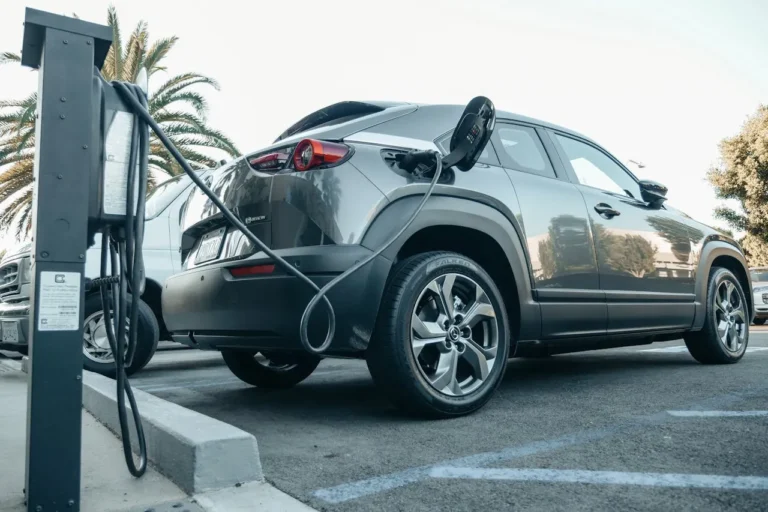
ChargePoint Releases Data From 100 Million EV Charging Sessions, Signaling Infrastructure Strain
ChargePoint, recognized globally as a leading provider of electric vehicle charging solutions, has released new data insights drawn from more than 100 million EV charging sessions conducted across its network in the past year. The findings, when viewed alongside recently published 2025 global electric vehicle sales data, indicate a widening gap between the rapid growth in EV adoption and the expansion of charging infrastructure needed to sustain it. According to the company’s analysis, EV drivers are relying on public and commercial charging at a faster pace than new charging ports are being deployed, raising concerns about infrastructure bottlenecks heading into 2026.
EV Adoption Enters a New Phase of Growth
ChargePoint’s internal network data reveals significant growth in both charging port deployment and overall utilization rates. However, the increase in active EVs on the road is accelerating even more rapidly than the infrastructure designed to support them. This shift reflects what company leadership describes as a new chapter in the evolution of EV adoption, where total vehicles in operation—rather than annual new sales alone—are driving charging demand.
Rick Wilmer, Chief Executive Officer of ChargePoint, emphasized that the market has transitioned beyond its early adoption stage. He noted that nearly 60% of the 19.3 billion electric miles enabled by ChargePoint over its nearly 18-year history occurred within just the past two years. This statistic underscores the dramatic acceleration in real-world EV utilization and signals that cumulative adoption is now exerting measurable pressure on charging networks.
Wilmer further explained that while new EV sales remain important, charger demand is increasingly influenced by the total installed base of electric vehicles. As more EVs remain on the road year after year, charging frequency naturally increases. He suggested that organizations installing charging stations in 2026 could benefit from accelerated returns on investment due to rising utilization rates and persistent demand pressure.
Global EV Sales Continue Strong Momentum
Broader automotive industry data reinforces ChargePoint’s conclusions. Global EV sales rose approximately 20% in 2025, reflecting sustained consumer interest and expanding model availability across markets. Europe recorded particularly strong growth, with EV sales increasing 33%, while the United States experienced its second-highest year ever for EV sales. These figures confirm that electrification continues to gain traction in both established and emerging EV markets.
ChargePoint’s network activity mirrors this broader industry expansion. More than one million drivers now use ChargePoint’s platform every month, highlighting its scale and influence within the EV ecosystem. The company’s mobile application data also reveals the growing presence of plug-in hybrid electric vehicles (PHEVs). Vehicles identified as PHEVs account for 16% of all commercial AC charging sessions managed by the ChargePoint platform, demonstrating that demand for charging extends beyond fully electric vehicles alone.
Charging Sessions Outpace Infrastructure Expansion
While charging port deployment continues to grow, utilization is rising at a significantly faster pace. In 2025, the total number of charging sessions increased by 34%, outstripping the rate of new EV growth. Even as 190,000 additional charging ports became accessible across the ChargePoint network, usage growth exceeded infrastructure expansion by nearly 20%.
This imbalance suggests that existing chargers are experiencing heavier use per port, increasing utilization pressure across both public and commercial locations. Higher utilization rates can benefit site hosts and charging providers financially, but they also raise the risk of congestion, wait times, and reduced convenience for drivers if infrastructure deployment does not accelerate.
ChargePoint’s data implies that without a meaningful increase in charger installation throughout 2026, the strain on infrastructure may intensify. As EV adoption compounds annually, cumulative vehicle growth will likely continue to push charging demand upward, especially in densely populated urban areas and along high-traffic travel corridors.
The ROI Opportunity for 2026 Installations
From an investment perspective, the utilization imbalance presents a potential opportunity. As Wilmer indicated, organizations deploying chargers in 2026 may see faster payback periods because higher usage translates into increased revenue generation. With more EVs competing for charging access, each installed port may achieve stronger throughput and improved financial performance compared to earlier years when adoption was lower.
Commercial property owners, fleet operators, workplaces, and retail destinations may find that charger installation serves not only sustainability objectives but also business growth goals. Increased EV traffic can drive customer dwell time, enhance brand perception, and contribute to broader decarbonization commitments. The data suggests that timing infrastructure expansion strategically could position businesses to capitalize on sustained electrification momentum.
Environmental and Economic Impact of Electrification
The growth in EV charging activity carries substantial environmental benefits. Since its founding in 2007, ChargePoint estimates that it has helped avoid the consumption of approximately 714 million gallons of gasoline. This reduction has translated into more than $2 billion in avoided gasoline expenses for drivers, highlighting the tangible economic advantages of electric mobility.
In addition to fuel savings, the company estimates that its network has contributed to preventing more than 4.5 million metric tons of greenhouse gas emissions. These avoided emissions represent a meaningful contribution to climate mitigation efforts and underscore the broader societal benefits associated with accelerating EV adoption.
As electrification expands, these environmental gains are likely to scale further. Each additional electric mile driven replaces internal combustion engine travel, compounding fuel savings and emissions reductions across regions.
Expansive Network Reach and Roaming Access
Today, ChargePoint provides drivers with access to approximately 375,000 public and private charging ports that it directly manages. Beyond its owned and operated infrastructure, the company also enables access to more than 900,000 roaming ports globally through partnerships and interoperability agreements. This extensive network footprint positions ChargePoint as a central platform within the EV charging ecosystem.
Roaming access enhances driver convenience by allowing users to locate and activate charging stations across multiple networks through a unified interface. As EV adoption increases, interoperability will play an increasingly critical role in ensuring seamless charging experiences across geographies.
Infrastructure Acceleration Needed to Match EV Growth
The combined data from ChargePoint’s 100 million recent charging sessions and global EV sales trends paints a clear picture: electrification is accelerating at a pace that infrastructure development must match. While charger deployment continues to grow steadily, utilization rates reveal mounting pressure that could intensify if installation does not accelerate.
The next phase of EV adoption will likely hinge not only on vehicle innovation and affordability but also on the availability, reliability, and strategic placement of charging infrastructure. Policymakers, utilities, private investors, and commercial site hosts all have a role to play in expanding charging capacity to keep pace with the growing electric vehicle population.
As the EV market matures, the metric that matters most may no longer be annual sales alone but rather the cumulative number of vehicles in operation and the frequency with which drivers rely on public and workplace charging. ChargePoint’s latest data suggests that the industry is entering precisely that phase—one defined by utilization intensity and infrastructure urgency.
ChargePoint and the ChargePoint logo are trademarks of ChargePoint, Inc. in the United States and in various jurisdictions worldwide. All other trademarks, trade names, and service marks referenced are the property of their respective owners.
Source Link:https://www.businesswire.com/