ChargePoint a global leader in electric vehicle (EV) charging infrastructure, has announced a significant milestone in its ongoing collaboration with South Coast Air Quality Management District (South Coast AQMD). The initiative has successfully enabled more than 90 EV charging ports across Southern California, marking an important step forward in strengthening the region’s charging infrastructure and supporting broader electrification goals.
The South Coast AQMD, the regulatory authority tasked with improving air quality across major Southern California counties—including Los Angeles County, Orange County, Riverside County, and San Bernardino County—has been actively investing in sustainable transportation solutions to curb emissions. Through its partnership with ChargePoint, the agency is now better positioned to address the growing demand for EV charging access among both employees and the general public.
Expanding Charging Infrastructure in the Nation’s Largest EV Market
Southern California represents one of the most advanced and rapidly expanding EV markets in the United States. With a high concentration of EV ownership and ambitious climate policies, the region has become a focal point for infrastructure development. By surpassing 90 installed charging ports, ChargePoint and South Coast AQMD are contributing to a more robust and accessible EV ecosystem.
Rick Wilmer, CEO of ChargePoint, emphasized the importance of this collaboration in advancing clean mobility. He highlighted that the deployment aligns closely with both organizations’ shared commitment to reducing greenhouse gas emissions and improving urban air quality. ChargePoint’s network, which has already facilitated more than 21 billion electric miles globally, continues to play a pivotal role in accelerating the transition from internal combustion engines to electric mobility.
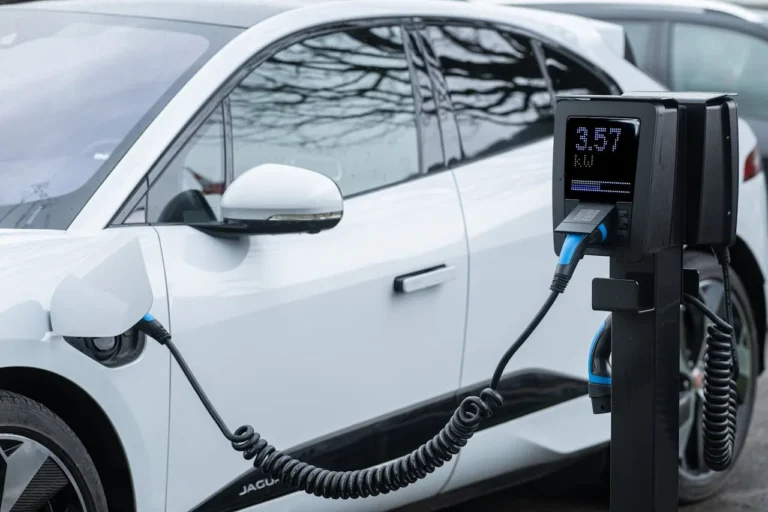
The newly deployed charging infrastructure ensures that EV drivers across the region can access convenient and reliable charging options. Whether for daily commuting or public use, these installations are designed to support a growing population of EV users who increasingly rely on dependable charging networks.
Upgrading to Advanced Level 2 Charging Technology
A key aspect of this initiative involved replacing outdated charging equipment with modern, high-performance units. The project introduced 55 new Level 2 charging stations, collectively capable of serving up to 94 vehicles simultaneously. This upgrade represents a substantial improvement in both efficiency and user experience.
Among the deployed systems are advanced charging stations such as the ChargePoint CP6000 series. These units are engineered to deliver significantly faster charging compared to conventional Level 2 chargers—up to 60% faster in many cases. This increased speed reduces wait times and enhances overall convenience, making EV ownership more practical for a wider audience.
One of the standout features of the CP6000 platform is ChargePoint’s proprietary Omni Port connector system. This innovation eliminates the need for adapters by allowing virtually any modern EV to connect seamlessly. By addressing compatibility challenges, Omni Port ensures that diverse EV models can utilize the same infrastructure, thereby simplifying the charging process and improving accessibility.
Addressing Key Barriers to EV Adoption
Despite the rapid growth of the EV market, challenges such as range anxiety and limited charging infrastructure continue to hinder widespread adoption. Wayne Nastri, Executive Officer of South Coast AQMD, underscored the importance of expanding charging access as a means of overcoming these barriers.
Range anxiety—the concern that an EV may run out of battery before reaching a charging station—remains one of the most cited reasons for consumer hesitation. By increasing the number of available charging points and ensuring their reliability, initiatives like this directly address such concerns.
Furthermore, the transportation sector is a major contributor to greenhouse gas emissions in California. It accounts for approximately 40% of the state’s total emissions, with light-duty vehicles responsible for a significant portion—estimated between 25% and 30%. Transitioning to electric vehicles is therefore a critical component of the state’s broader climate strategy.
The deployment of these charging stations not only supports current EV users but also sends a strong signal to prospective buyers that the necessary infrastructure is being put in place. As accessibility improves, the perceived risks associated with EV ownership diminish, encouraging more consumers to make the switch.
Smart Charging Management Through Advanced Software
All newly installed charging stations are integrated into the ChargePoint Platform, a sophisticated software solution designed to optimize station management and user experience. This platform provides real-time insights into charger performance, enabling operators to monitor usage, detect issues, and ensure maximum uptime.
The system’s remote monitoring capabilities allow South Coast AQMD to proactively manage its charging network. By identifying and addressing potential problems before they impact users, the agency can maintain a high level of service reliability.
In addition, the platform includes intelligent features such as usage analytics and reporting tools. These capabilities offer valuable data on charging patterns, helping stakeholders make informed decisions about future infrastructure investments and expansions.
One particularly innovative feature is ChargePoint’s Waitlist functionality. This system enables users to join a virtual queue when all charging stations are occupied. Through the ChargePoint mobile app, users receive notifications when a charger becomes available, eliminating the need to wait physically at the site. This not only enhances convenience but also improves overall station utilization.
Enhancing Accessibility and Inclusivity
Accessibility has been a central consideration in the design and deployment of these charging stations. South Coast AQMD has implemented several measures to ensure that the infrastructure is inclusive and user-friendly for all individuals, including those with disabilities.
The charging sites feature ADA-compliant layouts, including appropriate spacing, signage, and equipment placement. These design elements ensure that users with mobility challenges can easily access and operate the charging stations.
By prioritizing accessibility, the initiative aligns with broader goals of equity and inclusivity in sustainable transportation. Ensuring that all members of the community can benefit from EV infrastructure is essential for achieving widespread adoption and maximizing environmental impact.
Supporting Regional Air Quality and Climate Goals
The collaboration between ChargePoint and South Coast AQMD represents a strategic effort to improve air quality across one of the most densely populated regions in the United States. Southern California has long faced challenges related to air pollution, largely due to vehicle emissions and industrial activity.
By promoting the adoption of electric vehicles and expanding charging infrastructure, the initiative directly contributes to reducing harmful pollutants such as nitrogen oxides (NOx) and particulate matter. These pollutants have significant health impacts, including respiratory and cardiovascular conditions.
In addition to improving public health, the project supports California’s ambitious climate targets, which include achieving carbon neutrality and significantly reducing greenhouse gas emissions in the coming decades. Electrification of transportation is a cornerstone of these efforts, and infrastructure development is a critical enabler.
Strengthening Public-Private Partnerships
The success of this initiative highlights the importance of collaboration between public agencies and private sector companies. By leveraging ChargePoint’s technological expertise and South Coast AQMD’s regulatory leadership, the partnership has delivered a scalable and impactful solution.
Such collaborations are essential for addressing complex challenges like climate change and urban air quality. They enable the pooling of resources, knowledge, and capabilities, resulting in more effective and efficient outcomes.
As other regions look to replicate similar initiatives, this project serves as a model for how public-private partnerships can drive meaningful progress in sustainable transportation.
About ChargePoint Holdings, Inc.
ChargePoint has established itself as the leader in electric vehicle (EV) charging innovation since its inception in 2007, long before EVs became widely available. The company provides comprehensive solutions tailored to the entire EV ecosystem, from the grid to the dashboard of the vehicle. The company serves EV drivers, charging station owners, vehicle manufacturers, and similar types of stakeholders. With a commitment to accessibility and reliability, ChargePoint’s extensive portfolio of software, hardware, and services ensures a seamless charging experience for drivers across North America and Europe. ChargePoint empowers every driver in need of charging access, connecting them to over 1.37 million public and private charging ports worldwide. ChargePoint has facilitated the powering of more than 21 billion electric miles, underscoring its dedication to reducing greenhouse gas emissions and electrifying the future of transportation.
Source Link:https://www.businesswire.com/