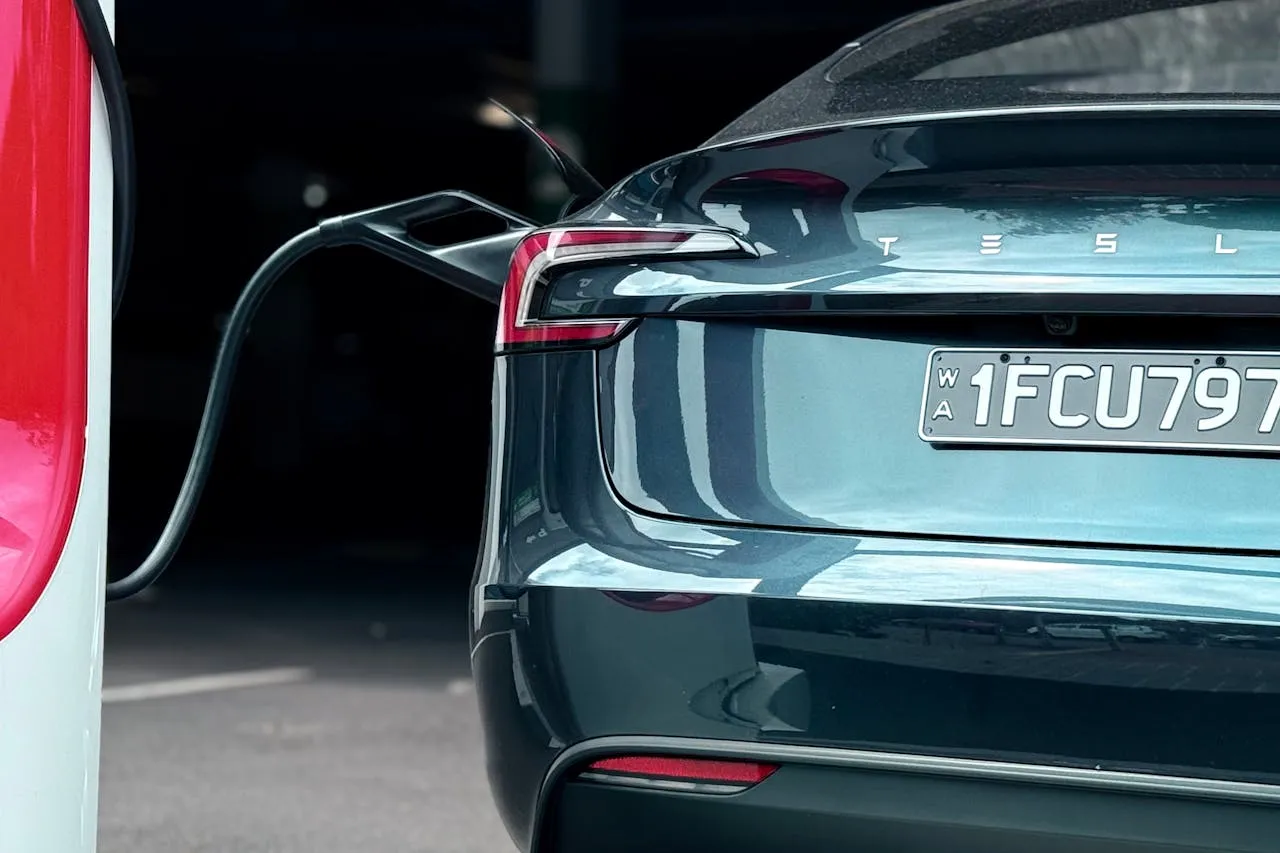
The electric vehicle (EV) charging industry is entering a new phase of growth, moving beyond the race to install more chargers and toward a stronger focus on operational performance, reliability, and long-term profitability. According to the newly released 2026 State of EV Charging Network Operators Report from Driivz, the global EV charging ecosystem is rapidly maturing as operators shift priorities from infrastructure expansion to improving efficiency and maximizing network performance.
Driivz, a leading provider of EV charging management software and a company under Vontier, published the report based on insights collected from 300 senior EV charging professionals across North America and Europe. The findings indicate a major transformation in how charging network operators are approaching growth, with increasing emphasis on uptime, utilization, seamless customer experiences, and artificial intelligence (AI)-driven operations.
As EV adoption accelerates worldwide, charging providers are discovering that success in the next phase of industry development will depend not only on the number of charging stations deployed but also on how efficiently and intelligently those stations are managed.
In the early stages of EV market growth, charging network operators primarily focused on rapidly expanding charging infrastructure to support increasing electric vehicle demand. Governments, automakers, and private charging companies invested heavily in building public charging stations to reduce range anxiety and encourage EV adoption.
However, the latest Driivz report suggests the market is entering a more mature stage where simply deploying additional chargers is no longer enough. Instead, charging providers are increasingly prioritizing what Driivz describes as “intelligent profitability” — a strategy centered on optimizing charger uptime, increasing station utilization, reducing operational inefficiencies, and delivering better driver experiences.
The report reveals that operators are now more focused on ensuring charging infrastructure works consistently and efficiently, rather than merely increasing the number of installations.
This shift reflects a broader evolution within the EV ecosystem. As charging networks become larger and more complex, operators must manage challenges such as reliability, maintenance costs, fluctuating electricity prices, and customer satisfaction. These factors are becoming critical for achieving sustainable profitability.
One of the report’s most notable findings is the growing importance of charger reliability and stability. For the first time in the history of the study, charger reliability surpassed energy constraints as the biggest challenge facing the industry.
According to the survey, 59% of EV charging operators identified charger reliability and stability as their top concern. This marks an important turning point for the industry, signaling that maintaining dependable charging infrastructure has become more important than simply securing energy availability.
Reliable charging infrastructure is essential to building trust among EV drivers. Charging disruptions, station malfunctions, and downtime can negatively impact customer confidence and reduce overall EV adoption. Drivers increasingly expect charging stations to function as seamlessly as traditional gas stations, making reliability a major competitive advantage for network operators.
The issue becomes even more significant for large-scale charging networks. The report found that 73% of larger operators consider uptime and stability among their biggest operational challenges. Managing thousands of charging points across multiple regions creates additional complexities, requiring sophisticated monitoring systems and predictive maintenance solutions.
Industry leaders increasingly recognize that consistent charger performance is not just a technical necessity but also a business requirement that directly impacts revenue generation and customer retention.
Artificial intelligence is emerging as one of the most influential technologies shaping the future of EV charging operations. The Driivz report highlights growing confidence among charging providers regarding AI’s role in improving efficiency, profitability, and network intelligence.
According to the findings, 67% of surveyed operators consider AI either “very important” or “critical” to company growth. This reflects the industry’s increasing reliance on data-driven decision-making and automation to manage complex charging ecosystems.
Charging networks generate enormous amounts of operational data every day, including charger performance metrics, energy consumption patterns, customer behavior, pricing dynamics, and maintenance needs. AI technologies are helping operators transform this information into actionable insights.
The report identifies anomaly detection, pricing optimization, and predictive maintenance as the most valuable AI applications expected to improve charging operations.
Approximately 72% of respondents ranked anomaly detection as the leading AI use case. This capability enables operators to quickly identify unusual patterns or system failures before they escalate into major disruptions.
Meanwhile, 70% of operators highlighted pricing optimization as a major benefit of AI. Intelligent pricing models allow charging providers to adjust rates dynamically based on demand, electricity costs, and usage trends, helping maximize profitability while maintaining competitive pricing.
Predictive maintenance also ranked highly, with 69% of respondents recognizing its importance. Instead of waiting for equipment to fail, predictive maintenance uses real-time monitoring and AI analysis to identify potential problems early, minimizing downtime and reducing repair costs.
As charging networks expand, these AI-powered capabilities are expected to become increasingly essential for maintaining efficient operations.
Although enthusiasm for artificial intelligence continues to grow, many charging operators still face significant barriers to implementation.
The Driivz report found that nearly two-thirds of respondents struggle with data quality gaps and integration complexities, preventing them from fully leveraging AI-driven strategies.
AI systems depend heavily on high-quality, real-time operational data. However, fragmented charging networks, inconsistent software systems, and disconnected infrastructure often make it difficult for operators to consolidate accurate information.
Many charging providers manage equipment from multiple hardware manufacturers, creating interoperability challenges that complicate data sharing and system integration. Without reliable data inputs, AI tools may struggle to deliver accurate predictions or meaningful operational insights.
This challenge highlights what many experts consider the next frontier of EV charging development: creating integrated ecosystems capable of supporting intelligent automation at scale.
Industry observers suggest that companies able to build robust, unified data systems will gain a major competitive advantage as AI adoption accelerates.
The report also emphasizes the growing importance of charger utilization as operators seek sustainable financial performance.
According to Driivz, 59% of charging professionals identified increased charger utilization as the leading driver of profitability in the EV charging business.
Higher utilization means charging stations are being used more frequently, allowing operators to generate greater revenue from existing infrastructure investments. This shift demonstrates that profitability increasingly depends on maximizing operational efficiency rather than continuously expanding physical assets.
Charging providers are now investing in strategies that encourage greater usage, including improved location planning, better pricing structures, loyalty programs, and enhanced driver experiences.
By improving charger reliability and reducing downtime, operators can naturally increase station utilization, helping improve financial performance while minimizing unnecessary infrastructure spending.
This trend also reflects growing pressure on charging companies to demonstrate stronger business fundamentals as investor expectations evolve.
The charging experience itself is becoming a major differentiator in an increasingly competitive market.
The Driivz report found that 47% of operators are prioritizing around-the-clock network availability, while 43% are focused on seamless authentication systems to improve user convenience.
As EV adoption expands, consumers expect charging experiences to be simple, fast, and reliable. Complicated payment systems, connectivity failures, and inconsistent charger availability can discourage repeat usage and damage customer trust.
Seamless authentication allows drivers to access charging stations easily through mobile apps, digital wallets, subscriptions, or plug-and-charge technology, reducing friction throughout the charging process.
Flexible payment capabilities are also becoming increasingly important. Drivers expect charging systems to support multiple payment options and provide transparent pricing information.
Charging operators increasingly recognize that customer satisfaction directly affects station usage rates, customer loyalty, and overall profitability.
Cybersecurity is emerging as another critical priority for charging network operators.
According to the survey, 64% of respondents described their cybersecurity readiness as robust or very robust. However, the report also identified significant weaknesses in several advanced protection areas.
Many operators still lag in fraud detection, 24/7 threat monitoring, encryption controls, and vulnerability scanning. These shortcomings could expose charging infrastructure to operational disruptions, financial risks, and data security concerns.
As charging systems become more digitally connected, cybersecurity risks continue to grow. EV charging infrastructure increasingly relies on cloud-based software, connected payment systems, remote diagnostics, and smart grid technologies.
A cyberattack affecting charging networks could disrupt operations, damage customer trust, and negatively impact profitability.
For operators focused on intelligent profitability, cybersecurity is no longer optional. Strong digital protections are becoming fundamental to maintaining reliable and trusted charging ecosystems.
Driivz says its ability to support charging operators comes from the scale of data it manages globally.
The company processes more than four billion data points across approximately 100 terabytes of charging data worldwide. This extensive data infrastructure provides operators with valuable insights to improve charger reliability, optimize energy management, and enhance operational efficiency.
By leveraging real-time analytics, AI-powered intelligence, and predictive technologies, charging providers can better manage growing network complexity while improving profitability.
According to Driivz CEO Shiri Levi-Laor, the future of EV charging leadership will be defined by companies capable of delivering reliable, highly utilized charging networks supported by real-time operational intelligence and superior customer experiences.
As the EV market matures, the industry appears to be entering a new era where intelligent operations, rather than rapid deployment alone, will determine long-term success. Charging operators that successfully balance reliability, profitability, AI adoption, and customer satisfaction are likely to emerge as leaders in the next generation of electric mobility infrastructure.
ABOUT DRIIVZ
Driivz, a Vontier (NYSE: VNT) company, is a leading global software supplier to EV charging operators and service providers, accelerating the plug-in EV industry’s dynamic and continuous transformation. The company’s intelligent, cloud-based platform spans EV charging operations, energy management, advanced billing capabilities and driver self-service tools. Driivz’s team of EV experts serves customers in 36 countries, including global industry players such as Element, EVgo, Shell, Circle K, Volvo Group, Recharge, St1, ESB, Mer, Francis Energy, Ennet Corporation and eMobility Power. The Driivz platform currently includes over 3M Ports and has processed over 50M transactions for millions of EV drivers in North America, Europe and APAC.
Source Link:https://www.businesswire.com/