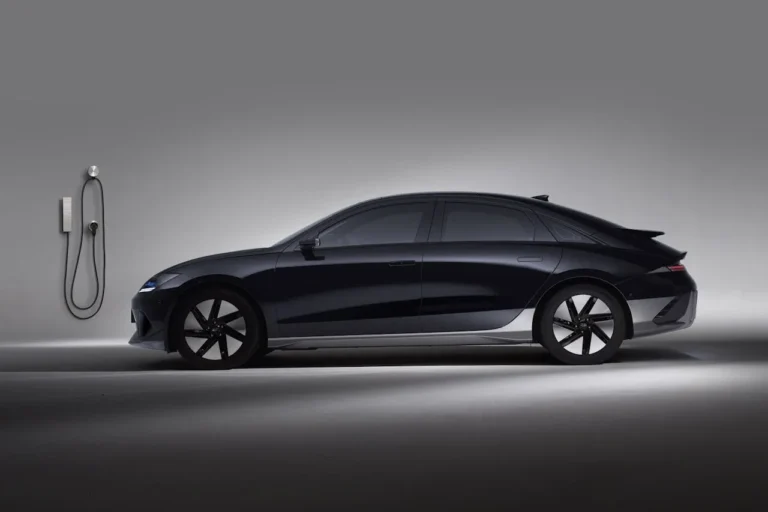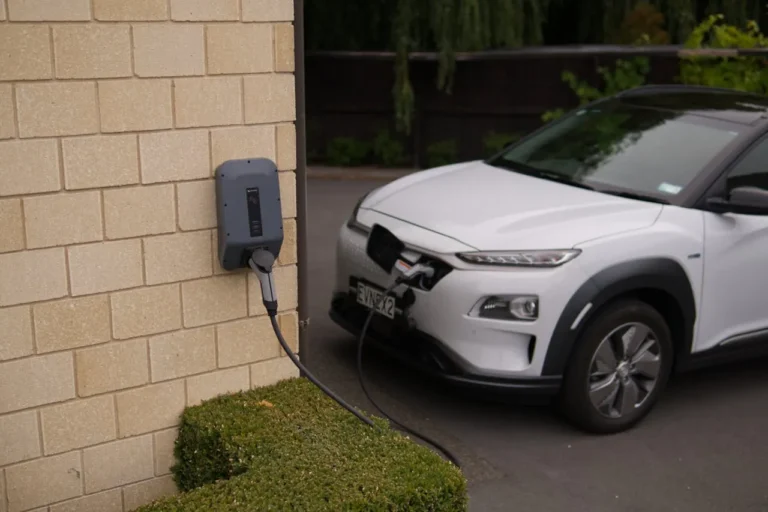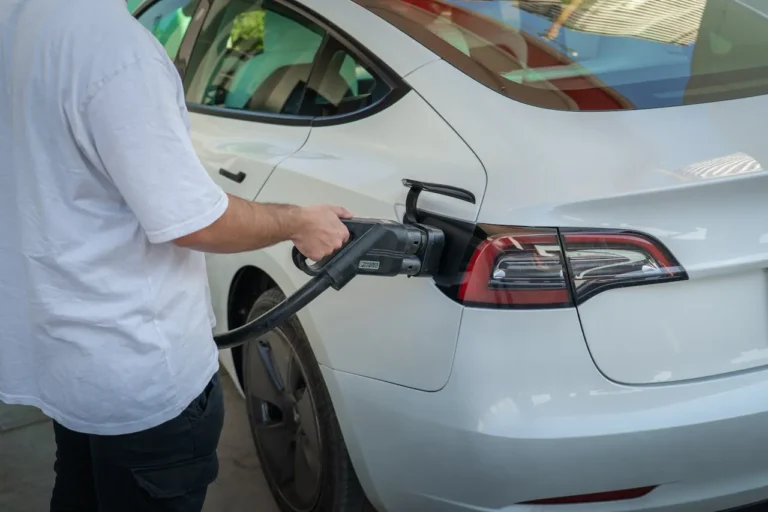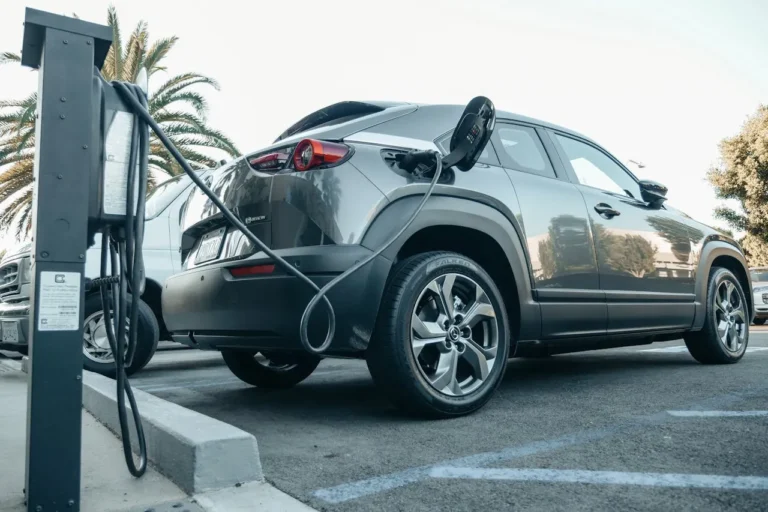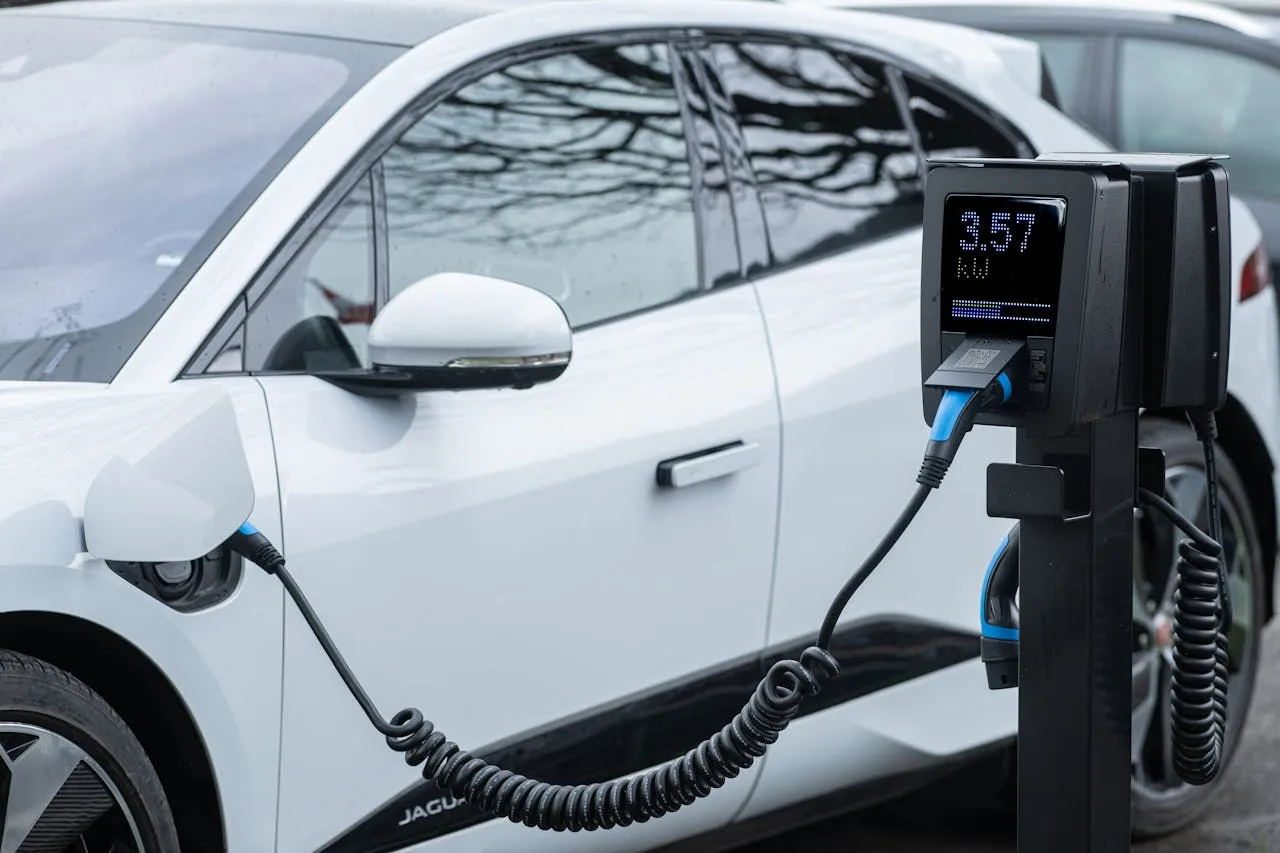
Home charging continues to serve as the backbone of the electric vehicle (EV) ownership experience, offering convenience, accessibility, and cost control for millions of drivers. However, new findings from J.D. Power reveal a growing disconnect between the importance of home charging and the level of understanding many EV owners have about how to optimize it. As costs rise and satisfaction levels begin to slip, the lack of awareness around available tools—such as scheduled charging and utility-backed smart charging programs—is becoming a critical issue across the EV ecosystem.
According to the 2026 U.S. Electric Vehicle Experience (EVX) Home Charging Study, conducted by J.D. Power in collaboration with PlugShare, a significant majority—86%—of EV charging takes place at home. This statistic underscores the central role that residential charging infrastructure plays in shaping the overall EV ownership journey. Yet despite this reliance, only a small percentage of drivers are fully leveraging the technologies and programs designed to make home charging more efficient and cost-effective.
Rising Costs Put Pressure on Satisfaction
One of the most notable findings from the 2026 study is the steady increase in home charging costs. EV owners report spending an average of $63 per month on home charging, marking a $5 increase compared to the previous year. While this may appear modest at first glance, the cumulative impact—especially in regions with higher electricity rates—is significant enough to influence overall satisfaction.
This rise in expenses has led to a measurable decline in how owners perceive the value of home charging. Satisfaction with charging costs has dropped to a score of 687 on a 1,000-point scale, down 11 points from 2025. Regional disparities further highlight the issue. For example, EV owners in New England report the highest average monthly charging costs at $99, accompanied by the lowest satisfaction score of 552. In contrast, those in the Mountain region enjoy significantly lower costs, averaging just $36 per month, and report a much higher satisfaction score of 771.
These variations demonstrate that electricity pricing, local utility policies, and regional infrastructure all play a role in shaping the EV ownership experience. More importantly, they emphasize the need for better education and tools to help owners navigate these differences.
Limited Education from Dealers and Automakers
Despite the growing complexity of EV ownership, only about 20% of owners say they received any form of guidance or education on home charging from their dealership at the time of purchase. This lack of information leaves many drivers unaware of opportunities to reduce costs or improve convenience.
Industry experts, including Brent Gruber, executive director of the EV practice at J.D. Power, stress that this gap in education represents a missed opportunity. Automakers, dealerships, and utility companies all have a shared responsibility to equip EV buyers with the knowledge needed to maximize their home charging setups. This includes explaining the benefits of upgrading to Level 2 chargers, demonstrating how to schedule charging sessions during off-peak hours, and highlighting available incentive programs offered by utilities.
Without this guidance, many EV owners default to basic charging habits that may not be cost-efficient, ultimately leading to frustration and lower satisfaction levels.
The Role of Charger Types in User Experience
The study also sheds light on how different types of home charging equipment influence satisfaction. Level 1 portable chargers, which typically use standard household outlets, have the lowest satisfaction score at 569—down 12 points year over year. These chargers are often slower and less convenient, making them less appealing for daily use.
Level 2 portable chargers perform better, with a satisfaction score of 710, though this figure has declined slightly by four points compared to the previous year. Meanwhile, Level 2 permanently mounted chargers maintain the highest satisfaction level at 733, reflecting their superior performance, faster charging speeds, and advanced feature sets.
Interestingly, these high-end chargers also report the highest number of issues, with 44.2 problems per 100 units—a year-over-year increase. This is largely due to their complexity. Features such as Wi-Fi connectivity, mobile app integration, and smart charging capabilities introduce new points of failure, including connectivity glitches and software bugs.
Despite these challenges, users of permanently mounted Level 2 chargers remain more satisfied overall. The reason lies in the enhanced control and flexibility these systems provide. Owners can monitor their charging sessions, schedule charging times, and optimize usage to reduce costs—all of which contribute to a more engaging and efficient experience.
Scheduled Charging: A Simple Yet Underused Solution
One of the most effective ways to manage home charging costs is through scheduled charging, which allows EV owners to charge their vehicles during off-peak hours when electricity rates are lower. However, adoption remains uneven.
The study finds that only 38% of EV owners consistently schedule their charging sessions. Another 16% do so occasionally, while a significant 46% never use this feature at all. This is a missed opportunity, as the benefits are clear.
Owners who always schedule their charging report an average satisfaction score of 734—substantially higher than those who sometimes (706) or never (700) use scheduling. Additionally, these proactive users tend to spend less on charging. Among those who aim to charge during off-peak hours, individuals who consistently schedule their sessions spend an average of $65 per month, compared to $71 for those who do not.
These findings highlight how a relatively simple behavioral change can lead to both financial savings and improved satisfaction. Yet without proper awareness or guidance, many EV owners fail to take advantage of this capability.
Smart Charging Programs Remain Underutilized
Beyond basic scheduling, smart charging programs represent the next level of home charging optimization. Offered by utility companies, these programs use connected technologies—such as Wi-Fi-enabled chargers and vehicle telematics—to automatically manage charging times based on grid demand and pricing.
While awareness of smart charging programs is relatively high, with 69% of EV owners indicating familiarity, actual participation is surprisingly low. Only 12% of owners report being enrolled in such programs.
Part of the challenge lies in limited availability and communication. Only half of EV owners say their utility provider offers variable electricity rates or incentives tied to charging times. Even when such programs are available, the enrollment process and technical requirements can deter participation.
Smart charging has the potential to benefit both consumers and utility providers. For drivers, it offers cost savings and convenience. For utilities, it helps balance grid demand and reduce strain during peak hours. Increasing participation will require better outreach, simplified enrollment processes, and stronger collaboration between automakers and utility companies.
Impact on Brand Loyalty and Future EV Adoption
The importance of home charging extends beyond day-to-day convenience—it also plays a critical role in shaping long-term customer loyalty. The J.D. Power study indicates that satisfaction with home charging is closely linked to how likely EV owners are to remain loyal to their vehicle brand and consider purchasing another EV in the future.
Manufacturers that invest in improving the home charging experience—whether through better hardware, intuitive software, or comprehensive customer education—stand to gain a competitive advantage. Conversely, neglecting this aspect of ownership could lead to dissatisfaction and reduced brand retention.
Rankings and Industry Performance
Within the Level 2 permanently mounted charger segment—the only category eligible for awards in the 2026 study—Tesla continues to lead the industry. The company ranks highest for the sixth consecutive year, achieving a score of 771. Its consistent performance reflects a strong combination of hardware reliability, user-friendly design, and seamless integration with its broader EV ecosystem.
Following closely behind are Emporia with a score of 761 and ClipperCreek at 760. These companies also demonstrate strong performance, highlighting the growing competitiveness of the home charging market.
Comprehensive Study Methodology
Now in its sixth year, the U.S. Electric Vehicle Experience (EVX) Home Charging Study serves as a key benchmark for evaluating customer satisfaction in this rapidly evolving segment. The 2026 edition is based on responses from 5,399 owners of 2020–2026 model year battery electric vehicles (BEVs) and plug-in hybrid electric vehicles (PHEVs).
The study evaluates satisfaction across eight critical factors: charging speed, cord length, cost of charging, ease of use, ease of cable storage, fairness of retail price, reliability, and charger size. By analyzing these attributes, the study provides a comprehensive view of the strengths and weaknesses of current home charging solutions.
Bridging the Knowledge Gap
As EV adoption continues to accelerate, the importance of optimizing the home charging experience will only grow. Rising costs and declining satisfaction signal a need for immediate action across the industry.
Improving education at the point of sale, expanding access to smart charging programs, and simplifying the use of advanced features can collectively enhance the ownership experience. By addressing these challenges, stakeholders—from automakers to utility providers—can help ensure that EV owners not only embrace electric mobility but also fully benefit from its potential.
Ultimately, the path forward lies in empowering consumers with the knowledge and tools they need to make informed decisions. When EV owners understand how to manage their charging effectively, they are more likely to enjoy lower costs, greater convenience, and a stronger connection to the brands they choose.
Source Link:https://www.businesswire.com/