The Collision Engineering Career Alliance has received a $100,000 grant from the GEICO Philanthropic Foundation (GPF), the charitable organization associated with GEICO. The funding is intended to strengthen the nationwide pipeline of skilled collision repair technicians by helping colleges improve student recruitment, expand employer partnerships and provide greater access to career opportunities in the automotive collision repair industry.
The grant comes at a time when the United States collision repair sector is facing a significant shortage of qualified technicians. As vehicle technology continues to advance, collision repair facilities increasingly require trained professionals with the technical knowledge and practical experience needed to repair modern vehicles safely and efficiently.
According to projections from the U.S. Bureau of Labor Statistics, the country is expected to have approximately 14,600 annual job openings for collision repair technicians through 2034. However, the supply of trained professionals remains considerably below industry requirements. The TechForce Foundation’s 2026 Technician Supply, Demand & Opportunity Report estimates that existing training programs meet only 42% of the demand for these positions.
The financial contribution from the GEICO Philanthropic Foundation will help address this workforce gap by providing Collision Engineering partner colleges with standardized resources and strategies to attract prospective students, establish stronger relationships with employers and expand training opportunities.
The automotive collision repair industry plays an essential role in maintaining vehicle safety and supporting the broader automotive aftermarket. Collision repair professionals are responsible for restoring damaged vehicles following accidents, including repairing structural components, body panels, vehicle systems and other critical parts.
Modern vehicles are becoming increasingly sophisticated, incorporating advanced driver assistance systems, sensors, cameras, electronic components and lightweight materials. As a result, collision repair work requires specialized training and a strong understanding of emerging automotive technologies.
Despite the growing need for these capabilities, many repair businesses continue to experience difficulties finding qualified technicians. The shortage affects collision repair facilities, vehicle owners, insurance companies and other organizations across the automotive service ecosystem.
The Collision Engineering Career Alliance aims to help close this gap by connecting educational institutions with employers and industry partners. Its training model provides students with a structured pathway into the collision repair profession through classroom education and practical workplace experience.
The $100,000 grant will support the expansion of this approach by helping participating colleges introduce the program to a larger audience and build stronger relationships with businesses that need skilled technicians.
The GEICO Philanthropic Foundation’s contribution reflects its commitment to supporting education, workforce development and career opportunities. Through its partnership with Collision Engineering, the foundation aims to help prepare the next generation of technicians while addressing an important workforce challenge facing the automotive repair industry.
Alan Durand, a GEICO Philanthropic Foundation board member and head of associate experience at GEICO, highlighted the importance of investing in technical education and creating opportunities for future collision repair professionals.
He explained that supporting Collision Engineering will help open doors for aspiring technicians while addressing a shortage that affects drivers, repair facilities and insurance providers.
The partnership brings together the charitable foundation, educational institutions, employers and automotive industry organizations to support a more sustainable technician workforce.
By investing in recruitment and employer engagement resources, the foundation intends to help colleges reach students who may not previously have considered collision repair as a career option.
The GPF funding will support national resources designed to make student recruitment and employer engagement more consistent across Collision Engineering partner colleges.
The initiative includes five major areas of support.
One of the primary priorities is developing a standardized recruitment framework for participating colleges.
The framework will provide guidance and training for college recruiters, institutional staff and high school counselors. These resources will help education professionals explain collision repair career opportunities and introduce students to the skills required in the industry.
High school outreach is particularly important because many students begin considering career options before entering college. Introducing them to technical education programs at an early stage could encourage more students to explore skilled automotive careers.
The standardized approach will also help colleges communicate the benefits of the Collision Engineering program more effectively.
The grant will also support the creation of a national employer marketing kit.
Building relationships with collision repair businesses is an essential part of the program because students need access to qualified facilities where they can complete paid apprenticeships and gain practical experience.
The marketing resources will help colleges explain the program to employers, demonstrate the advantages of participating and encourage more repair facilities to become involved.
Stronger employer engagement can create additional apprenticeship opportunities and improve connections between graduates and potential employers.
Regular educational sessions will form another part of the initiative.
Quarterly webinars and ongoing training opportunities will allow partner colleges, recruiters, employers and other stakeholders to share information and learn about effective recruitment and workforce development practices.
These sessions can also help participating institutions address common challenges, exchange successful strategies and maintain stronger communication across the national network.
The contribution will help develop repeatable campus event models that colleges can use to introduce students to collision repair careers.
These events can provide opportunities for prospective students to learn about automotive technology, meet industry professionals and understand the practical training available through the program.
Campus activities can also help employers connect directly with students and educational institutions.
A consistent event structure will allow colleges to organize recruitment activities more efficiently while adapting them to their local communities.
The final priority is establishing a scalable approach to student recruitment, employer engagement and placement.
Rather than requiring every college to develop its own recruitment and partnership processes independently, the national framework will provide common resources and strategies that institutions can implement.
This approach is expected to make it easier for partner colleges to expand the program, attract more students and establish relationships with additional collision repair businesses.
Together, these five areas will create a stronger foundation for expanding Collision Engineering across the United States.
The Collision Engineering Career Alliance operates through a partnership model that connects colleges, employers, industry organizations and workforce development leaders.
Its central educational pathway combines a two-year associate degree with paid, hands-on apprenticeships at qualified collision repair facilities.
This structure allows students to develop academic knowledge while gaining practical experience in real automotive repair environments.
Students learn the technical fundamentals of collision repair through their college education and apply those skills while working alongside experienced professionals.
The apprenticeship component is particularly important because collision repair requires practical abilities that cannot be developed entirely through classroom instruction.
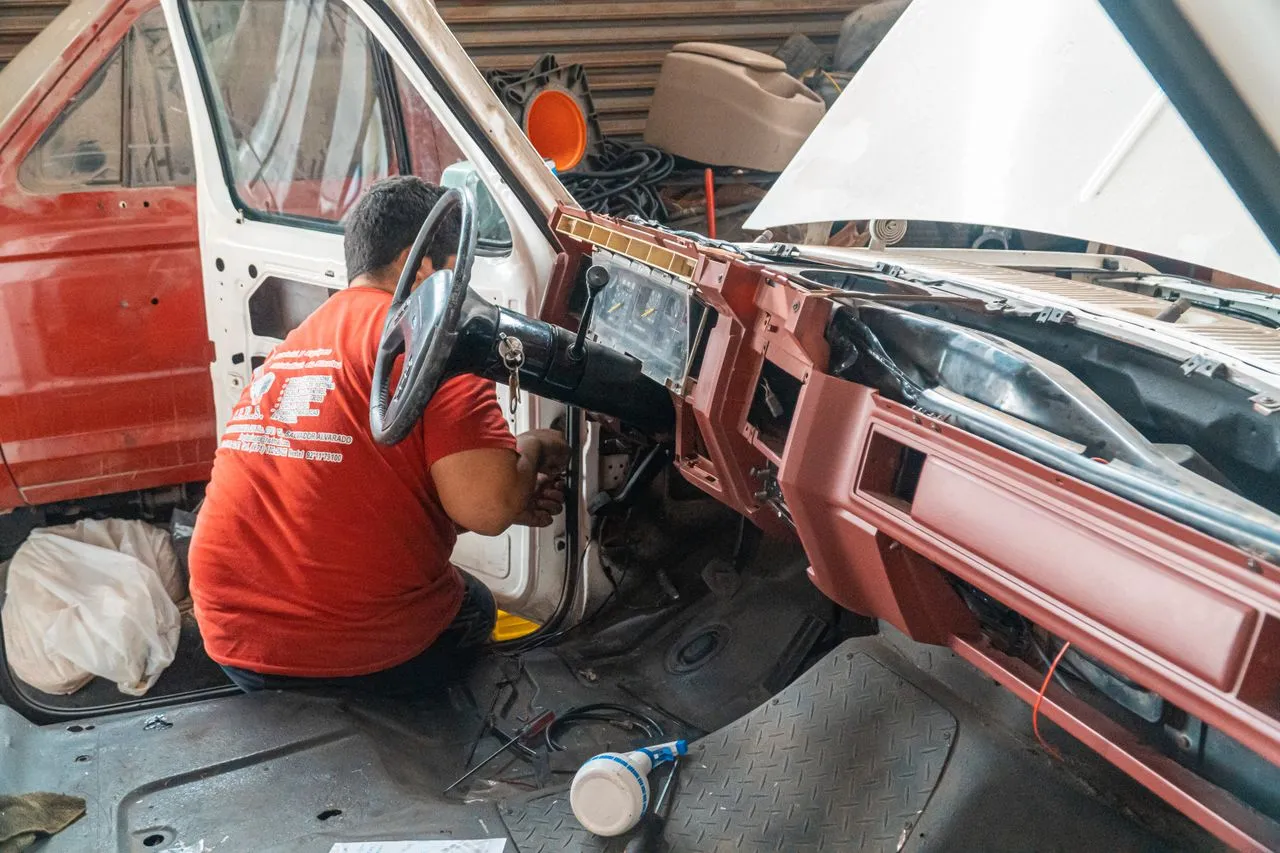
Working at repair facilities gives students exposure to professional equipment, repair procedures, workplace safety requirements and the daily responsibilities of collision technicians.
The program is also recognized by the U.S. Department of Labor as a standard for training collision engineering technicians.
For employers, the model creates a more direct connection with emerging talent. Participating businesses can help train students, introduce them to industry expectations and develop relationships with potential future employees.
For students, the combination of a recognized degree and paid workplace experience provides a clearer pathway from education into employment.
Mary Mahoney, president of the Collision Engineering Career Alliance, said the GEICO Philanthropic Foundation’s contribution would provide an important national foundation for participating colleges.
According to Mahoney, the funding will help institutions recruit students more effectively, connect with additional employers and expand their programs with greater confidence.
She emphasized that cooperation between the automotive industry, educational institutions and employers is necessary to create meaningful career opportunities for students.
The collaboration is intended to make hands-on education and paid apprenticeships accessible to more people across different communities.
Laura Lozano, professor of collision repair technology and chair of the Automotive Department at Contra Costa College, also highlighted the importance of introducing young people to collision repair careers.
Lozano explained that recognizing the technician shortage is not enough to solve the problem. The industry must actively introduce students to these opportunities and connect them with employers who are prepared to provide training and mentorship.
She noted that the GEICO foundation’s donation will help educational institutions develop these connections and reach more prospective students and industry partners.
Her comments reflect a broader challenge facing technical education: colleges must work closely with businesses to ensure that training programs align with actual workforce requirements.
Collision Engineering is already active at partner educational institutions across several U.S. states.
The participating colleges provide regional access to automotive collision repair education and help connect students with local employers.
Current partner institutions include:
Through these partnerships, Collision Engineering aims to expand access to career-focused training while helping employers identify and develop future technicians.
The additional national recruitment and marketing resources supported by the GEICO grant are expected to strengthen the ability of these colleges to attract students and build relationships with collision repair facilities.
The benefits of combining formal education with workplace experience are reflected in the experiences of Collision Engineering graduates.
Karina Badillo, a graduate of the College of Lake County, described how the program helped her complete a degree while gaining practical experience and developing a clear career direction.
She explained that the collision repair industry is evolving rapidly and that the program helped prepare her to adapt to these changes.
Badillo also emphasized the importance of financial contributions such as the GEICO Philanthropic Foundation grant, which can help more students access similar educational and professional opportunities.
Graduate experiences demonstrate how technical education and employer-supported training can work together to prepare students for the demands of modern automotive repair.
As vehicles become more technologically advanced, the need for technicians who understand both traditional repair methods and newer automotive systems is expected to remain important.
The technician shortage represents a long-term workforce challenge for the automotive aftermarket. Collision repair businesses depend on qualified professionals to maintain service capacity, complete repairs efficiently and meet vehicle safety requirements.
A shortage of skilled workers can create operational challenges for repair facilities and potentially affect repair turnaround times and customer service.
Developing stronger educational pathways is therefore important not only for students seeking technical careers but also for the wider automotive industry.
The partnership between GEICO Philanthropic Foundation and Collision Engineering demonstrates how private-sector support can contribute to workforce development.
By funding standardized recruitment tools, employer marketing resources, training sessions and campus engagement activities, the initiative seeks to address the gap between available training opportunities and industry demand.
The program’s combination of associate degree education and paid apprenticeships also offers a practical model for connecting academic learning with employment requirements.
The $100,000 contribution from the GEICO Philanthropic Foundation represents an important investment in the future of the U.S. collision repair workforce.
Through its support of the Collision Engineering Career Alliance, the foundation will help partner colleges improve student recruitment, strengthen employer relationships and expand access to paid apprenticeship opportunities.
With thousands of annual job openings projected across the industry and existing training programs meeting only a portion of workforce demand, initiatives that connect education with real-world experience will remain essential.
By bringing together colleges, repair businesses, industry partners and workforce development organizations, Collision Engineering aims to create a stronger and more sustainable pipeline of qualified technicians.
Source Link:https://www.businesswire.com/