Germany Hydrogen Fuel Cell Trucks Market Gains Momentum Amid Policy Support and Industrial Transformation
The Germany Hydrogen Fuel Cell Trucks Market has been officially added to ResearchAndMarkets.com’s portfolio, underscoring the growing global interest in hydrogen-powered commercial mobility. Germany, Europe’s largest economy and a global logistics hub, is emerging as a pivotal market for hydrogen fuel cell trucks as it accelerates its transition away from diesel-powered freight transport. According to an in-depth assessment of market performance over the past five years, the sector is currently valued at approximately USD 1.2 billion, reflecting strong momentum driven by regulatory pressure, technological progress, and a national commitment to sustainable transport.
As Germany intensifies its climate agenda, hydrogen fuel cell trucks are increasingly viewed as a strategic solution for decarbonizing heavy-duty transport—an area where battery-electric alternatives face limitations related to range, payload capacity, and charging time. The convergence of policy incentives, infrastructure investment, and private-sector innovation is positioning hydrogen trucks as a critical pillar of Germany’s future mobility ecosystem.
Market Evolution and Urban Adoption Trends
Germany’s major metropolitan and industrial centers—including Berlin, Hamburg, and Munich—are leading the adoption of hydrogen fuel cell trucks. These cities benefit from advanced logistics networks, dense freight activity, and proactive local governments that support clean transportation technologies. Urban authorities are prioritizing low-emission freight corridors and green logistics zones, creating favorable conditions for hydrogen-powered trucks to replace conventional diesel fleets.
Hamburg, with its globally significant port operations, has emerged as a particularly important testing ground for hydrogen-powered heavy-duty vehicles. Long-haul trucking routes connecting ports, industrial zones, and distribution hubs are well suited for fuel cell technology, which offers fast refueling and extended driving ranges without tailpipe emissions. Munich and Berlin, meanwhile, are leveraging public-private partnerships to integrate hydrogen trucks into municipal fleets and last-mile logistics operations.
These regional efforts are reinforcing national objectives, creating a layered policy environment that encourages early adoption while building operational experience across different freight use cases.
National Hydrogen Strategy as a Market Catalyst
A defining moment for the market came in 2023, when the German government unveiled its updated National Hydrogen Strategy, positioning hydrogen as a cornerstone of the country’s long-term energy and mobility transition. The strategy earmarks up to €9 billion in funding to support hydrogen research, production, infrastructure development, and commercial deployment.
A substantial portion of this funding is directed toward transportation, with hydrogen fuel cell trucks identified as a priority segment due to their potential to decarbonize long-distance and heavy-load freight. The strategy emphasizes the development of green hydrogen, produced using renewable energy sources, ensuring that emissions reductions extend across the entire value chain rather than being limited to vehicle operation.
This policy framework not only reduces financial risk for early adopters but also sends a strong signal to manufacturers, suppliers, and logistics companies that hydrogen mobility will remain a long-term national priority.
Key Drivers Fueling Market Growth
Tightening Environmental Regulations
Germany’s environmental regulations are among the strictest in the world. The country has committed to reducing greenhouse gas emissions by 55% by 2030, compared with 1990 levels. The transport sector, which accounts for a significant share of national emissions, is under increasing pressure to contribute meaningfully to these reductions.
For logistics operators, hydrogen fuel cell trucks represent a viable compliance pathway. Unlike diesel vehicles, fuel cell trucks produce zero tailpipe emissions, helping fleet operators meet emissions targets, avoid penalties, and maintain access to low-emission urban zones. As regulatory scrutiny intensifies, the shift toward hydrogen-powered commercial vehicles is expected to accelerate.
Advancements in Hydrogen Production Technologies
Technological progress in hydrogen production is significantly improving the economic and environmental viability of fuel cell trucks. Germany is investing heavily in renewable-powered electrolysis, with projections indicating the production of up to 1.5 million tons of green hydrogen annually in the coming years.
As green hydrogen production scales up, fuel costs are expected to decline, improving the total cost of ownership for hydrogen trucks. Advances in fuel cell efficiency, durability, and system integration are also enhancing vehicle performance, making hydrogen trucks increasingly competitive with conventional diesel alternatives in demanding logistics applications.
Growing Demand for Sustainable Logistics
Germany’s logistics industry, valued at approximately €300 billion, is undergoing a profound transformation. Sustainability has become a strategic priority for logistics providers, driven by customer expectations, corporate ESG commitments, and regulatory requirements.
Hydrogen fuel cell trucks align closely with these objectives, offering long range, rapid refueling, and zero emissions. For large logistics companies and retailers, deploying hydrogen trucks enhances brand credibility while supporting decarbonization goals across supply chains. As sustainability becomes a differentiating factor in logistics contracts, demand for hydrogen-powered fleets is expected to rise.
Persistent Market Challenges
Despite strong momentum, the market faces several challenges that could influence the pace of adoption.
High Upfront Vehicle Costs
One of the most significant barriers remains the high initial cost of hydrogen fuel cell trucks. On average, a fuel cell truck costs around €150,000, nearly double the price of a conventional diesel truck, which typically costs about €80,000. Although operating costs may be lower over time, the upfront investment can deter smaller fleet operators or delay large-scale fleet conversions.
Government subsidies and incentive programs are helping to offset these costs, but widespread adoption will depend on further cost reductions through economies of scale and technological maturation.
Limited Refueling Infrastructure
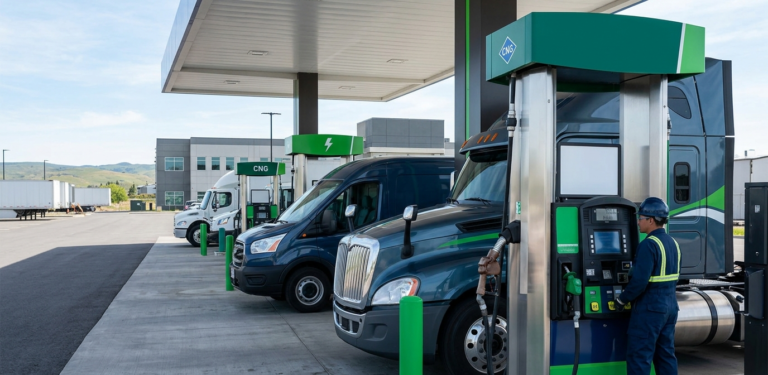
Infrastructure availability remains another critical constraint. Germany currently has approximately 100 hydrogen refueling stations, which is insufficient to support nationwide commercial trucking operations. Limited station coverage contributes to range anxiety and restricts route planning flexibility for fleet operators.
While infrastructure expansion is underway, achieving a dense and reliable refueling network will be essential for unlocking the full potential of hydrogen fuel cell trucks.
Emerging Opportunities and Strategic Initiatives
Expansion of Hydrogen Refueling Networks
To address infrastructure gaps, the German government has committed around €1 billion to expanding hydrogen refueling capacity. Plans include the development of strategically located stations along major freight corridors, industrial zones, and logistics hubs.
The goal is to create a network capable of supporting long-haul trucking operations, with future projections targeting up to 400 hydrogen refueling stations nationwide. This expansion is expected to significantly improve market confidence and operational feasibility for hydrogen truck fleets.
Industry Collaboration and Partnerships
Collaboration is playing an increasingly important role in market development. Truck manufacturers, fuel cell suppliers, energy companies, and logistics providers are forming partnerships to accelerate innovation and reduce deployment risks.
Joint pilot projects allow stakeholders to test vehicles under real-world conditions, optimize fueling logistics, and refine maintenance and service models. These collaborations are fostering knowledge sharing across the value chain and driving incremental improvements in efficiency, reliability, and cost.
Market Segmentation Insights
By Vehicle Type
The market is segmented into Light-Duty Trucks, Medium-Duty Trucks, Heavy-Duty Trucks, Specialty Trucks, and Others. Among these, Heavy-Duty Trucks account for the largest share of market value.
Heavy-duty applications are particularly well suited to hydrogen fuel cell technology due to their long driving ranges, high payload requirements, and demanding duty cycles. For long-haul freight and industrial transport, fuel cell trucks offer a compelling alternative to diesel without the operational compromises associated with battery-electric solutions.
By End User
End users include Logistics and Transportation, Construction, Public Sector, Retail, and Others. The Logistics and Transportation segment dominates the market, driven by the sector’s scale, emissions footprint, and increasing sustainability commitments.
Public sector fleets and construction companies are also beginning to adopt hydrogen trucks, particularly for applications requiring high power output and continuous operation.
Competitive Landscape and Key Players
The competitive environment in Germany’s hydrogen fuel cell truck market features a mix of established automotive manufacturers and specialized technology providers. Leading players are focusing on vehicle innovation, fuel cell system development, and strategic partnerships to strengthen their market positions.
Prominent companies active in this market include:
- Daimler AG
- MAN Truck & Bus SE
- Volvo Group
- Scania AB
- Hyundai Motor Company
- Toyota Motor Corporation
- Nikola Corporation
- Ballard Power Systems Inc.
- Plug Power Inc.
- Cummins Inc.
- H2 Mobility Deutschland GmbH
- FuelCell Energy, Inc.
- Wrightbus Ltd.
- Alstom SA
- Siemens AG
These companies are investing heavily in R&D, pilot deployments, and infrastructure partnerships to gain early-mover advantages in a rapidly evolving market.
The outlook for Germany’s hydrogen fuel cell trucks market remains highly positive. Continued technological advancements, expanding infrastructure, and strong policy support are expected to drive sustained growth through 2030 and beyond.
As vehicle costs decline and refueling networks expand, hydrogen trucks are likely to move from pilot projects to mainstream fleet deployments. Germany’s leadership in hydrogen strategy and industrial innovation positions it as a benchmark market for fuel cell trucking in Europe, with implications for broader adoption across the continent.
In the long term, hydrogen fuel cell trucks are set to play a critical role in Germany’s transition to a low-carbon transport system—bridging the gap between environmental ambition and operational practicality in heavy-duty freight.
Source Link:https://www.businesswire.com/