A Global First in Autonomous Public Transportation Takes Shape in South Metro Atlanta
Glydways, a leading innovator in Automated Transit Network (ATN) solutions, has reached a landmark moment in the evolution of global mobility with the official groundbreaking of its first publicly accessible autonomous transit system. Announced at the South Metro Development Outlook Conference (SMDO26) in partnership with the ATL Airport Community Improvement Districts (AACIDs), the South Metro Atlanta Demonstration Pilot represents the first time a fully autonomous, on-demand Glydways system will operate as public transportation anywhere in the world. This milestone signals not only a breakthrough for the company but also a pivotal shift in how cities can rethink mobility, accessibility, and infrastructure delivery in the face of mounting urban pressures.
Addressing the Global Transportation Challenge
Cities across the globe are grappling with an increasingly complex transportation equation. Rapid urbanization, population growth, and economic expansion have placed unprecedented strain on existing road and rail networks. At the same time, governments are under pressure to meet ambitious climate targets, reduce emissions, and improve quality of life, all while facing escalating construction costs and long timelines associated with traditional transit projects. Expanding highways often worsens congestion over time, while large-scale rail projects can take decades to plan, fund, and deliver. These realities have created an urgent need for innovative transit solutions that are scalable, sustainable, and faster to deploy.
Glydways’ Vision for a New Transit Category
Glydways introduces a fundamentally new category of public transportation designed to complement and enhance existing systems rather than replace them. Its Automated Transit Network combines fully autonomous, electric vehicles with dedicated guideways to deliver high-capacity, on-demand service around the clock. Unlike fixed-route buses or scheduled rail systems, Glydways vehicles respond dynamically to passenger demand, offering point-to-point travel without intermediate stops. The result is a system that operates more like an elevator network for cities, maximizing efficiency while minimizing wait times. By using lightweight, purpose-built guideways, the infrastructure can be deployed more quickly and at a lower cost than conventional transit, adding net-new capacity without consuming additional road space.
From Concept to Reality in South Metro Atlanta
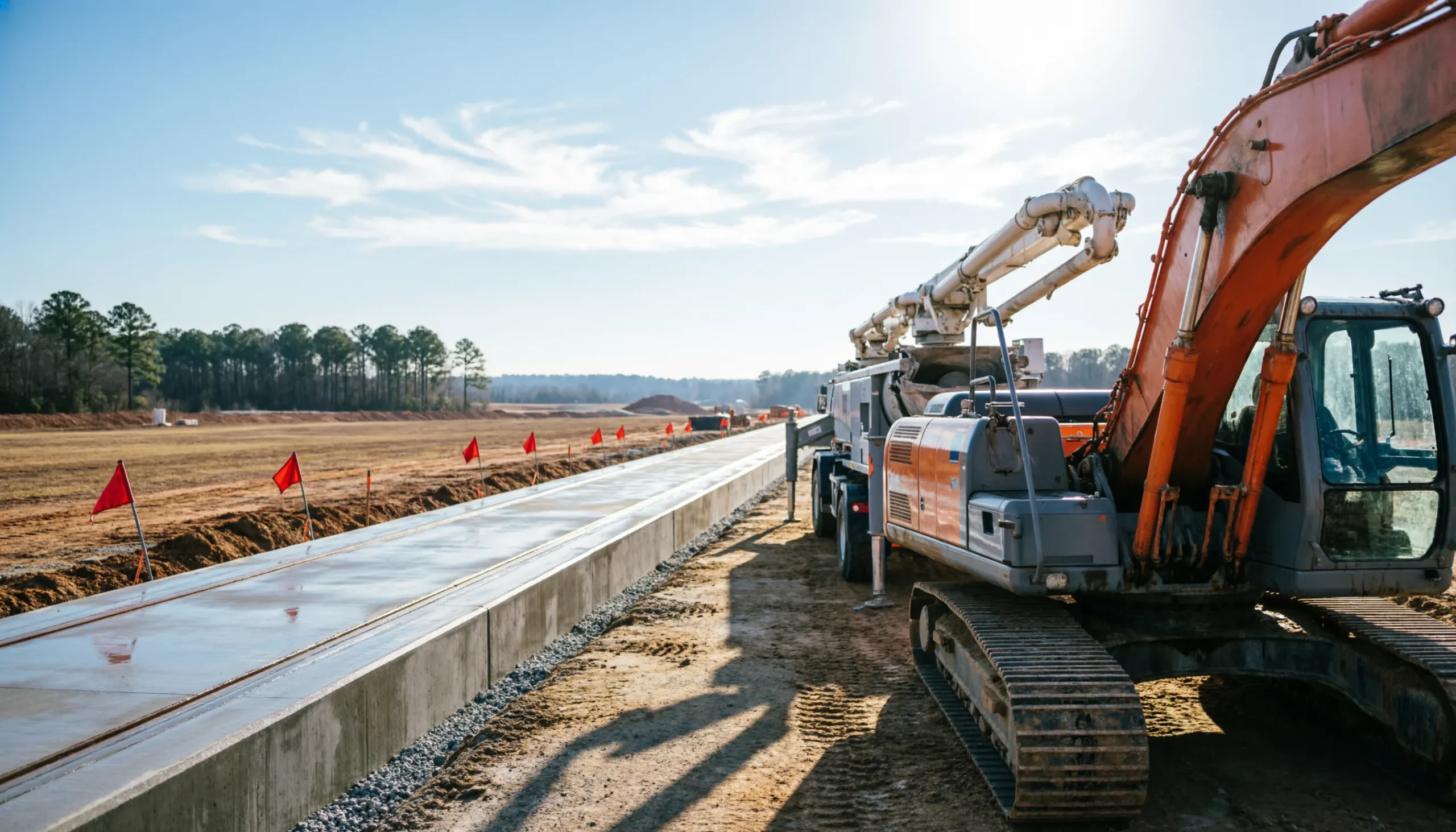
The South Metro Atlanta Demonstration Pilot marks the transition of Glydways’ technology from concept and testing into real-world public service. Developed jointly by Glydways and ACS Infra, the initial phase of the system will connect the ATL SkyTrain at the Georgia International Convention Center with the Gateway Center Arena. The dedicated guideway will span approximately half a mile, creating a seamless link between two major regional destinations. Scheduled to open to the public in December 2026, the pilot will offer free, on-demand service, allowing residents, visitors, and policymakers alike to experience firsthand how autonomous transit can function as part of a broader urban mobility ecosystem.
Delivering Reliable, On-Demand Mobility
At the core of the Glydways system is a commitment to reliability and user-centric design. Vehicles are fully electric and autonomous, operating continuously without the constraints of driver availability or fixed schedules. Passengers can request a ride on demand, reducing wait times and eliminating the inefficiencies associated with underutilized vehicles running on predetermined routes. The dedicated guideway ensures consistent travel times by removing conflicts with pedestrian traffic, conventional vehicles, and signalized intersections. Together, these features create a level of predictability and convenience that is often difficult to achieve with traditional public transit modes.
A Scalable Model for Cities Worldwide
While the pilot is localized in South Metro Atlanta, its implications extend far beyond the region. Glydways has designed its system with scalability in mind, allowing networks to expand incrementally as demand grows. Cities can begin with a limited corridor serving key destinations and then extend guideways to additional neighborhoods, employment centers, or transit hubs. This modular approach reduces upfront risk for public-sector partners while providing a clear pathway to long-term network growth. As urban areas worldwide search for ways to increase mobility without expanding roadways or incurring massive capital costs, the Glydways model offers a compelling alternative.
Leadership Perspective on Global Impact
According to Chris Riley, Chief Commercial Officer of Glydways, congestion is a universal challenge that demands solutions capable of delivering meaningful results at scale. He emphasized that what is beginning in South Metro Atlanta is intended for cities around the world facing similar pressures. The demonstration pilot is designed to show how an innovative form of public transit can expand access, improve reliability, and move more people efficiently without relying on legacy systems or road expansion. By proving the technology in a live public environment, Glydways aims to build confidence among cities, transit agencies, and investors considering next-generation mobility solutions.
Integration Into Multimodal Transit Ecosystems
A defining feature of the Glydways system is its ability to integrate seamlessly with existing transportation networks. In South Metro Atlanta, the connection to the ATL SkyTrain highlights how autonomous transit can act as a first-mile and last-mile solution, extending the reach of established rail and airport systems. This integration helps address one of the most persistent challenges in public transportation: making it easy and convenient for people to complete their entire journey without relying on private vehicles. By linking major nodes such as convention centers, arenas, and transit stations, Glydways can enhance overall network efficiency and encourage greater use of public transit.
Growing Global Demand and Strategic Partnerships
The launch of the South Metro Atlanta pilot comes amid rising global interest in innovative transit solutions. Cities and regions across the Middle East, Asia, and the United States are actively exploring autonomous and electric mobility systems to address congestion and sustainability goals. Glydways has already begun establishing a global footprint through strategic agreements with key partners. In Dubai, the company has signed an agreement with the Roads and Transport Authority to support the city’s ambitious public transport and sustainability objectives. Similarly, in Abu Dhabi, Glydways entered into an agreement with the Abu Dhabi Investment Office to explore deployment opportunities across the emirate. These collaborations underscore the growing recognition of Automated Transit Networks as a viable component of future urban mobility strategies.
Building on Local Collaboration and Vision
Despite its global aspirations, the foundation of Glydways’ first public system is deeply rooted in local collaboration. The company has expressed strong appreciation for the support and vision of its partners in South Metro Atlanta, particularly the ATL Airport Community Improvement Districts and regional transportation leaders. Their willingness to embrace innovation and invest in emerging technologies has been instrumental in bringing the demonstration pilot to life. By serving as an early adopter, the region is positioning itself at the forefront of transportation innovation and setting an example for other metropolitan areas to follow.
Role of MARTA and Regional Stakeholders
Future expansion of the Glydways system beyond the initial half-mile corridor will be guided by a comprehensive feasibility study led by the Metropolitan Atlanta Rapid Transit Authority (MARTA). This study will evaluate system performance, ridership patterns, and integration opportunities across the broader Atlanta region. The involvement of MARTA, along with the City of College Park, Clayton County, and Fulton County, reflects a coordinated regional approach to transportation planning. Together, these stakeholders are assessing how autonomous transit can complement existing services and support long-term mobility, economic development, and sustainability objectives.
Positioning Atlanta as a Global Reference Point
By hosting the world’s first publicly accessible Glydways system, South Metro Atlanta is emerging as a global reference point for the future of public transportation. The pilot demonstrates how innovation, cross-sector partnerships, and forward-thinking policy can converge to deliver transformative mobility solutions. As cities worldwide observe the performance and public reception of the system, the lessons learned in Atlanta are likely to influence future deployments and shape the evolution of autonomous transit on a global scale.
Redefining the Future of Urban Mobility
The groundbreaking of the South Metro Atlanta Demonstration Pilot represents more than the launch of a new transit service; it marks a reimagining of how cities can move people efficiently, sustainably, and equitably. By combining autonomous technology, electric vehicles, and dedicated infrastructure, Glydways is challenging long-standing assumptions about what public transportation can be. As the system moves toward its planned public opening in December 2026, it stands as a tangible example of how cities can address congestion, reduce emissions, and improve access without waiting decades for traditional infrastructure projects to materialize. In doing so, Glydways and its partners are helping to define a new chapter in the global mobility story.
Source Link:https://www.businesswire.com/