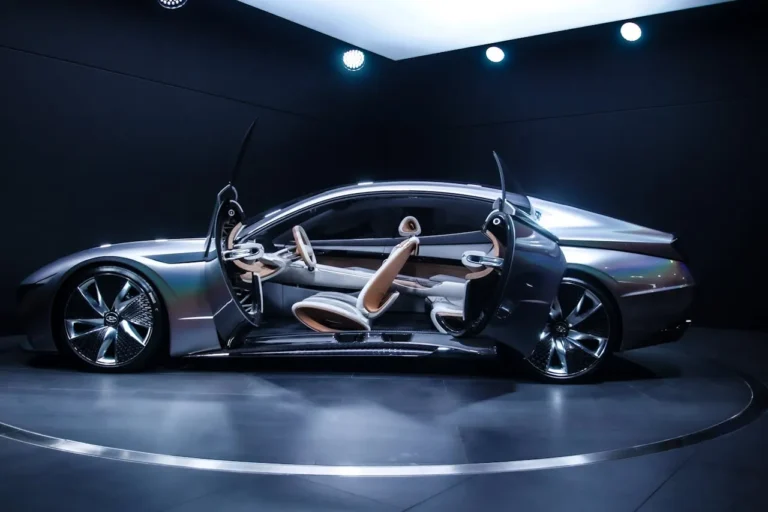
Medium Power Electric Vehicle Busbars Market Set for Strong Global Expansion Through 2030
The global market for medium power electric vehicle (EV) busbars is entering a phase of rapid and sustained growth, driven by accelerating electrification across passenger and commercial vehicle segments. According to the Medium Power Electric Vehicle Busbars – Global Strategic Business Report, recently added to ResearchAndMarkets.com, the market was valued at approximately US$461.7 million in 2024 and is forecast to reach US$1.3 billion by 2030, expanding at a robust compound annual growth rate (CAGR) of 19.5% over the forecast period.
Medium power EV busbars play a critical role in electric power distribution within vehicles, enabling efficient transmission of electrical energy between batteries, inverters, power electronics, and other drivetrain components. As EV architectures become more complex and power density requirements increase, demand for high-performance, reliable, and lightweight busbar systems continues to intensify.
Key Drivers Fueling Market Growth
One of the primary forces behind the growth of the medium power EV busbar market is the rapid global expansion of electric vehicle adoption. Governments worldwide are pushing aggressive decarbonization agendas, supported by policies aimed at achieving net-zero emissions targets. Incentives such as EV subsidies, stricter emission norms, and investments in charging infrastructure are significantly accelerating EV penetration across developed and emerging markets alike.
At the same time, rising investments in battery technologies and power electronics are reshaping EV system design. Advances in battery chemistry, higher voltage platforms, and more compact power electronics demand busbar solutions capable of handling higher currents with minimal losses. Medium power busbars have emerged as a preferred solution due to their efficiency, scalability, and ability to integrate seamlessly into modern EV platforms.
Energy efficiency regulations also continue to strengthen globally, encouraging automakers to optimize every component of the electric powertrain. Busbars that reduce resistive losses, improve thermal performance, and enhance overall system reliability are increasingly viewed as strategic enablers of compliance and performance differentiation.
Commercial Electric Vehicles Drive New Demand
Beyond passenger vehicles, the rapid electrification of commercial transportation is creating significant new opportunities for medium power EV busbars. Electric trucks, buses, and delivery vans require robust power distribution systems capable of handling heavier electrical loads while maintaining high levels of safety and durability.
Urban transit authorities are increasingly deploying electric buses to meet clean transportation goals, particularly in densely populated cities. These vehicles rely on medium power busbars to support high-capacity battery packs, fast-charging systems, and auxiliary power needs. Similarly, the growth of last-mile delivery services and logistics electrification is expanding the addressable market for advanced busbar solutions.
As commercial EVs push toward longer driving ranges and faster charging cycles, innovation in busbar materials, cooling technologies, and structural design is accelerating. Manufacturers are focusing on solutions that balance electrical conductivity, thermal management, mechanical strength, and weight reduction.
Supply Chain Localization and Strategic Collaborations
Another important trend shaping the market is the shift toward localized EV manufacturing and supply chain resilience. Automakers and suppliers are increasingly investing in regional battery plants and component production facilities to reduce dependency on global supply chains and mitigate geopolitical risks.
This localization trend is boosting demand for regionally sourced, high-quality busbar systems tailored to local standards and vehicle platforms. In parallel, collaborations between EV manufacturers, semiconductor firms, and materials science companies are driving innovation in next-generation power distribution technologies. These partnerships are enabling the development of busbars that improve vehicle performance, enhance safety, and support advanced vehicle functionalities.
Material Trends: Copper vs. Aluminum
Material selection remains a critical factor in medium power EV busbar design. The report highlights strong growth prospects for both copper and aluminum busbars, each offering distinct advantages.
The copper segment continues to dominate the market due to its superior electrical conductivity and reliability. It is projected to reach US$963.6 million by 2030, growing at a CAGR of 21.2%. Copper busbars are widely used in applications where performance and efficiency are paramount, particularly in high-current environments.
Meanwhile, the aluminum segment is gaining momentum, supported by the industry’s growing emphasis on vehicle lightweighting and cost optimization. Aluminum busbars are expected to grow at a CAGR of 15.8% over the forecast period. Their lower weight and cost make them attractive for mass-market EVs and applications where reducing overall vehicle mass can improve range and efficiency.
The increasing use of composite materials and hybrid busbar designs further reflects the industry’s focus on balancing performance, weight, and cost.
Regional Market Dynamics
From a regional perspective, North America, Europe, and Asia-Pacific represent the most significant markets for medium power EV busbars.
The United States market was valued at US$125.8 million in 2024, supported by strong federal and state-level incentives, rising EV production, and investments in domestic battery manufacturing.
China stands out as the fastest-growing market, with a projected CAGR of 26.6%, reaching US$319.3 million by 2030. The country’s leadership in EV manufacturing, battery production, and charging infrastructure development continues to drive strong demand for advanced power distribution components.
Other important markets include Japan, Canada, Germany, and the broader Asia-Pacific region, where government-backed electrification programs and expanding EV manufacturing capacity are fueling growth. Europe remains a key hub for innovation, particularly in electric commercial vehicles and premium EV platforms.
Emerging markets in Latin America, the Middle East, and Africa are also beginning to adopt electric mobility solutions, creating longer-term growth opportunities for busbar manufacturers.
Competitive Landscape and Market Structure
The medium power EV busbar market is moderately competitive, with a mix of global electrical component leaders and specialized manufacturers. The report profiles 34 key companies, including:
- Amphenol Corporation
- Eaton Corporation
- Infineon Technologies AG
- Legrand S.A.
- Mitsubishi Electric Corporation
- Schneider Electric SE
- TE Connectivity
- Mersen S.A.
- Littelfuse, Inc.
These companies compete across dimensions such as product performance, customization capabilities, manufacturing scale, and regional presence. Market positioning ranges from strong and active global players to niche specialists serving specific applications or regions.
Ongoing trade uncertainties, tariff-related disruptions, and broader macroeconomic shifts continue to influence competitive strategies and sourcing decisions, prompting companies to reassess production footprints and supplier networks.
Market Trends Shaping the Future
Several key trends are expected to define the evolution of the medium power EV busbar market over the coming years:
- Rising adoption of electric buses in urban transit systems
- Expansion of electric commercial vehicle fleets
- Shift toward modular and flexible battery architectures
- Integration of advanced battery management systems (BMS)
- Standardization of EV charging and power distribution components
- Growing emphasis on lightweight, cost-efficient vehicle design
- Increasing reliability requirements driven by autonomous and connected EV technologies
Together, these trends underscore the growing strategic importance of medium power busbars in next-generation electric vehicles.
Source Link:https://www.businesswire.com/