Omdia Forecasts Explosive Growth in Cellular IoT, Predicting 5.9 Billion Connections by 2035
The global cellular IoT landscape is entering a period of rapid transformation, driven by a powerful combination of technological innovation, expanding industry demand, and the growing maturity of next-generation 5G networks. According to newly released research from Omdia, one of the world’s leading technology analysis firms, cellular IoT connections are projected to surge to 5.9 billion by 2035, highlighting a decade of accelerated adoption across nearly every major industrial and consumer segment.
Omdia’s latest Cellular IoT Market Tracker 2021–2035 offers a comprehensive view of how connectivity requirements are evolving and how advancements in 5G architecture will reshape the IoT ecosystem. Central to this evolution are three pivotal technologies that Omdia identifies as foundational growth drivers over the next decade: 5G RedCap, 5G Massive IoT, and 4G LTE Cat-1bis modules. These technologies are enabling faster, more reliable, and more scalable IoT solutions while supporting a diverse range of applications—from consumer wearables and smart cities to industrial automation and connected vehicles.
5G RedCap: A Critical Catalyst for the Next Wave of IoT Growth
Among the technologies shaping the cellular IoT roadmap, 5G RedCap (Reduced Capability) stands out as a transformative development. Designed to bridge the gap between low-power, low-bandwidth IoT technologies and the ultra-high-performance capabilities of full 5G eMBB or URLLC systems, RedCap offers a balanced solution for devices that need efficient, cost-effective mid-tier connectivity.
Early traction and ecosystem momentum
Omdia’s research indicates that RedCap adoption will begin building significant momentum starting in 2025, with a notable acceleration expected in the years that follow. The technology is positioned to become the connectivity backbone for a wide range of IoT devices that require better performance than legacy LPWAN solutions but do not warrant the higher complexity or power demands associated with advanced 5G applications.
Although initial deployments have progressed more slowly than many industry stakeholders anticipated, 2025 has already showcased a positive shift. The highly publicized integration of RedCap technology in the latest Apple Watch lineup has acted as a major market signal, demonstrating real-world commercial readiness and encouraging component vendors and device manufacturers to accelerate their own development timelines.
Transition to eRedCap in 2026
The study also highlights the expected arrival of enhanced RedCap (eRedCap) modules in 2026, which marks a major milestone for mid-tier 5G connectivity. eRedCap will deliver even greater spectral efficiency, lower power consumption, and simplified device complexity—features that will significantly expand the breadth of viable IoT use cases.
According to Alexander Thompson, Senior Analyst for IoT at Omdia, the Apple Watch deployment represents a critical turning point:
“The implementation of 5G RedCap in the latest range of Apple Watches has signalled the starting gun for RedCap adoption. Going forward, enterprises will have a wider and wider selection of connectivity technologies to benefit any application. The expected launch of 5G eRedCap modules in 2026 will provide further cellular IoT connection growth over the next decade.”
Futureproofing as 4G sunsets
A key advantage of RedCap lies in its futureproofing potential. With many operators expected to begin sunsetting legacy 4G networks beyond 2030, RedCap provides an ideal migration path for IoT devices that need long-term support without the complexity of full 5G. As industries look to deploy assets that remain in service for 10 to 15 years, RedCap becomes an essential bridge technology between the waning 4G era and a fully 5G-dominated ecosystem.
The Automotive Sector: A Major Engine of Cellular IoT Expansion
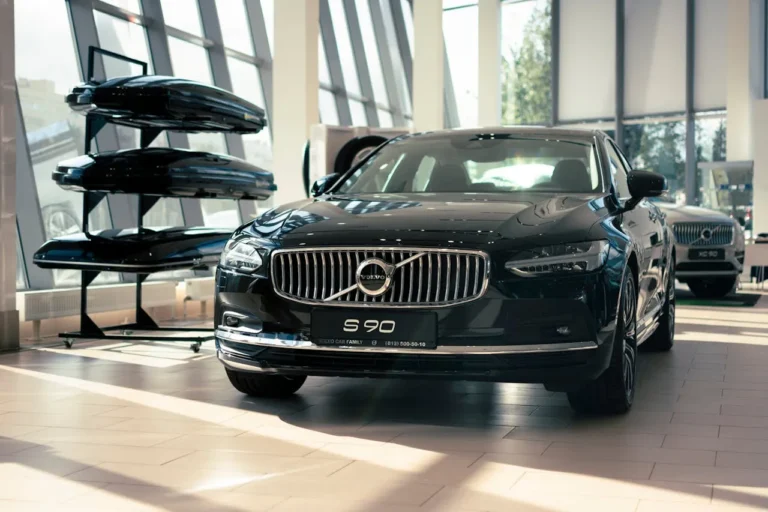
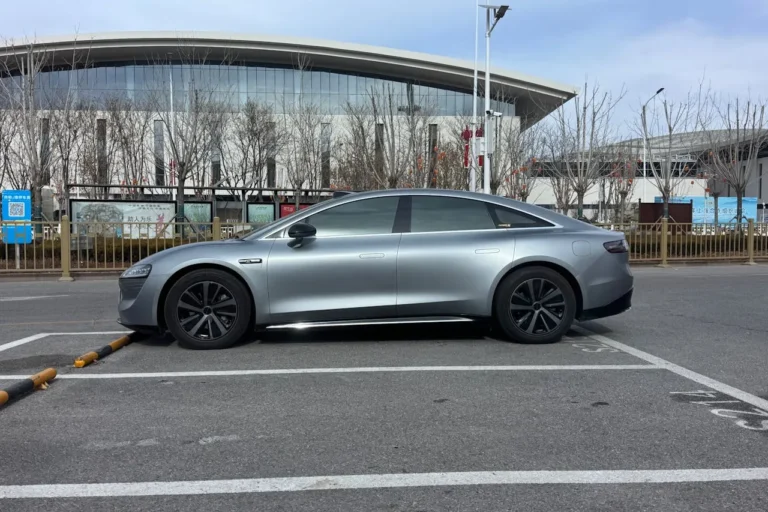
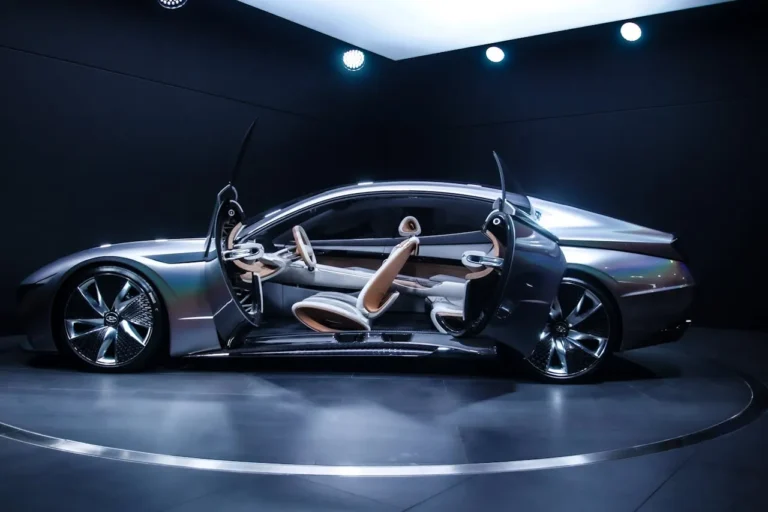
While IoT adoption is rising across every major vertical, the automotive industry is poised to become one of the most influential growth engines over the next decade. According to Omdia, global cellular IoT connections in the automotive sector are set to rise from 500 million today to nearly 1.2 billion by 2035, effectively doubling their installed base and increasing the sector’s share of total IoT connections from 13% to 21%.
Asia & Oceania lead the surge
This growth will be driven primarily by the Asia and Oceania region, which is experiencing skyrocketing demand for connected and intelligent vehicles. As automakers across China, Korea, Japan, India, Australia, and Southeast Asia accelerate deployment of 5G-enabled cars, cellular connectivity is becoming a mandatory feature rather than a premium option.
Why vehicles are becoming connectivity-rich platforms
According to Omdia’s IoT Practice Lead Andrew Brown, several converging factors will contribute to the automotive sector representing one in every five cellular IoT connections by 2035:
- The rapid emergence of software-defined vehicles (SDVs), which rely on persistent connectivity for feature activation, diagnostics, and digital services
- The essential requirement for over-the-air (OTA) updates, allowing automakers to enhance, repair, or secure vehicle systems remotely
- Stringent regulatory mandates, especially in regions like the EU, pushing for connected safety features and advanced telematics
- The rise of vehicle-to-everything (V2X) communications, which depends heavily on reliable cellular networks to enable safer, more efficient transport ecosystems
Brown emphasizes that these capabilities are fundamentally reshaping the role of connectivity in vehicles:
“The rapid rise of software-defined vehicles, the fundamental need for over-the-air updates, regulatory mandates and vehicle-to-everything are all made possible by cellular connected vehicles, which is why we expect to see vehicles represent one in five cellular connections by 2035.
A Broader Market Transformation: 5G Massive IoT and LTE Cat-1bis
While RedCap is expected to dominate mid-tier IoT use cases, Omdia’s research highlights that 5G Massive IoT and 4G LTE Cat-1bis modules will also play critical roles in the coming decade.
5G Massive IoT
Massive IoT will support applications requiring high connection density and low latency, particularly in:
- Smart manufacturing and industrial automation
- Smart city infrastructure
- Energy management and smart grids
- Logistics and supply chain visibility
Its ability to support millions of devices per square kilometer positions it as the foundation for next-generation operational environments.
LTE Cat-1bis
Despite the forward march toward 5G, Cat-1bis remains an important bridge technology, especially in regions where 5G rollout is gradual or where affordability is a major consideration. Cat-1bis is widely used in:
- POS terminals
- Asset trackers
- Smart meters
- Consumer electronics
Its cost-effectiveness ensures sustained relevance even as 5G deployments expand.
Omdia’s Tracker: A Holistic View of IoT Market Evolution
The Omdia Cellular IoT Market Tracker 2021–2035 provides detailed insights into:
- Regional market performance and forecasts
- Module shipment volumes and revenue trends
- Adoption patterns across air-interface technologies
- Application-specific growth trajectories
- Connectivity revenue forecasts across operators and industries
By combining historical data with forward-looking projections, the tracker serves as an essential resource for OEMs, IoT service providers, module vendors, and telecom operators preparing for the next generation of connected ecosystems.
A Decade of Transformation Ahead
The next ten years will shape the future of global connectivity, and IoT will be at the center of that evolution. With RedCap enabling mid-tier device innovation, Massive IoT powering dense industrial environments, and the automotive sector emerging as a dominant force, the cellular IoT market is entering an era defined not just by scale but by diversity, complexity, and intelligence.
Omdia’s forecast of 5.9 billion cellular IoT connections by 2035 reflects not only technological progress, but also the growing reliance of governments, businesses, and consumers on seamlessly connected digital ecosystems.
Source Link:https://www.businesswire.com/