Something fundamental has shifted in the way people approach car ownership. The decision is no longer guided purely by design, brand prestige, or performance metrics. Instead, it is increasingly shaped by practicality, predictability, and long-term cost efficiency. Nowhere is this shift more evident than in the growing interest in electric vehicles (EVs), particularly in the pre-owned segment. As fuel prices continue to fluctuate without warning and the overall cost of driving becomes harder to anticipate, buyers are rethinking what truly matters when choosing their next car.
For many, the conversation begins with a simple but pressing concern: stability. Traditional internal combustion engine vehicles come with a range of variables—fuel prices, maintenance costs, and wear-and-tear components—that can make monthly expenses difficult to forecast. In contrast, electric vehicles offer a more predictable ownership experience. Charging costs tend to be more stable than fuel prices, maintenance requirements are generally lower, and the overall driving experience is simpler and more streamlined. These advantages are gradually reshaping consumer priorities.
However, while the appeal of EVs is clear, the upfront cost of a new electric car can still be a barrier for many buyers. This is where the pre-owned market enters the equation. A few years ago, purchasing a used electric vehicle might have felt like a leap of faith. Today, it is becoming a calculated and increasingly popular decision. More buyers are recognizing that pre-owned EVs provide a practical entry point into electric mobility without the premium price tag associated with new models.
The expansion of the used EV market has been rapid. As more electric vehicles enter circulation and complete their initial ownership cycles, the availability of pre-owned options has grown significantly. This increased supply has opened the door for a wider range of buyers, including those who may have previously considered EVs out of reach. It has also introduced greater diversity in terms of models, features, and price points.
Yet, with growth comes complexity. Unlike traditional used cars, electric vehicles introduce new considerations—most notably battery health, software integrity, and system performance. These factors are not always easy for the average buyer to evaluate. Questions around how the vehicle was charged, how frequently it was used, and how well its systems have been maintained can create uncertainty. For first-time EV buyers, this uncertainty can be a significant deterrent.
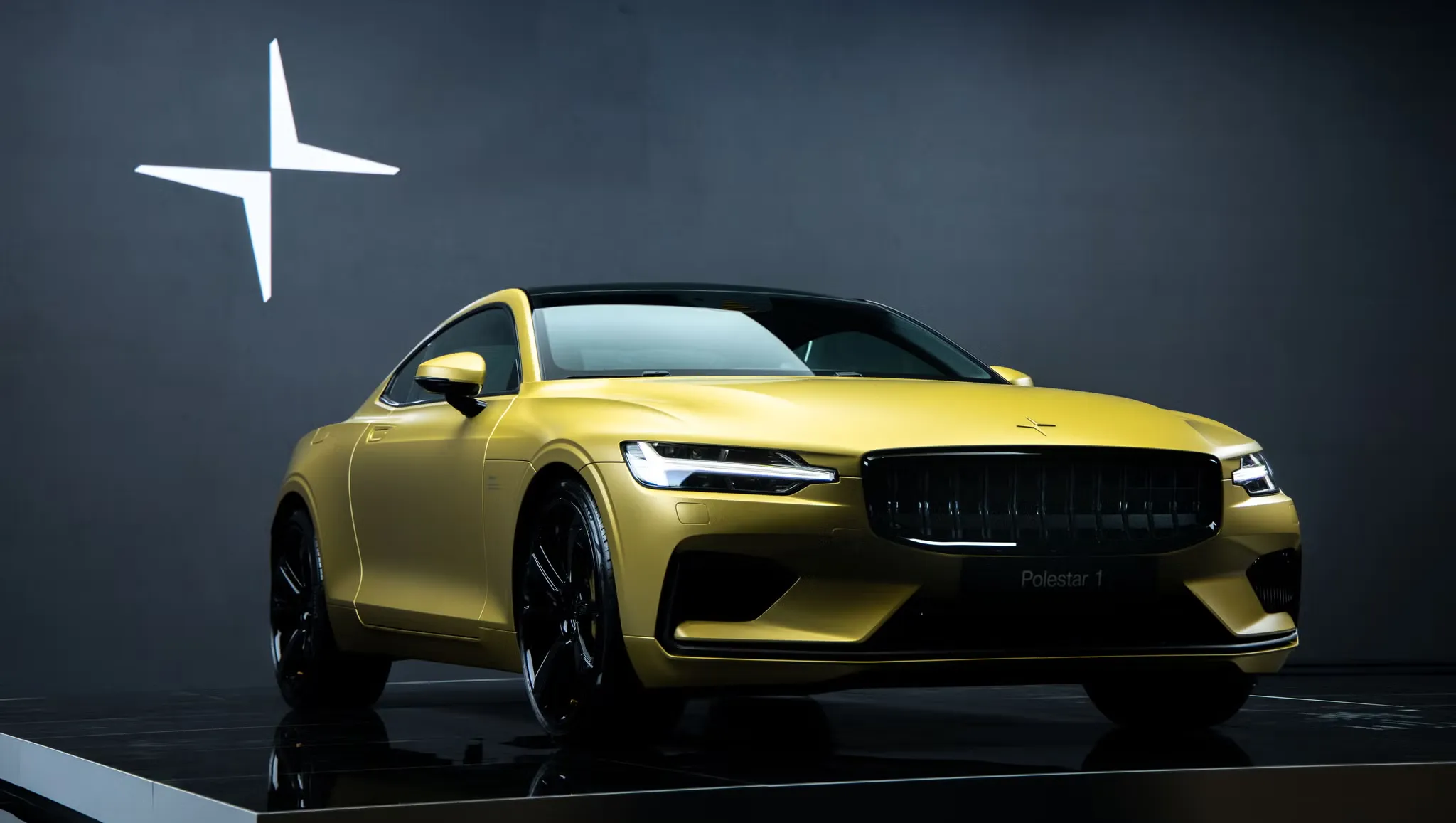
This is precisely where structured and transparent programs make a difference. The Polestar pre-owned program is designed to address these concerns by introducing a level of consistency and assurance that is often missing from the broader used car market. Rather than leaving buyers to navigate the complexities on their own, it offers a clearly defined process that ensures each vehicle meets specific standards before it reaches its next owner.
Every vehicle that enters the program undergoes a comprehensive evaluation conducted by trained specialists who understand the intricacies of electric vehicles. This is not a superficial inspection but a detailed, multi-point assessment covering mechanical components, electrical systems, software functionality, and overall condition. Each car is carefully examined to ensure it aligns with the brand’s performance and quality benchmarks.
One of the most critical aspects of this process is battery verification. In an electric vehicle, the battery is not just a component—it is the core of the driving experience. Its health directly impacts range, efficiency, and long-term usability. By thoroughly assessing battery condition, the program provides buyers with confidence that the vehicle will perform as expected. This step alone addresses one of the most common concerns associated with buying a used EV.
Beyond battery health, software updates play an equally important role. Modern electric vehicles rely heavily on software to manage everything from energy consumption to driving dynamics. Ensuring that each pre-owned vehicle is equipped with the latest software updates enhances both performance and safety. It also ensures that the car remains aligned with current technological standards, offering a driving experience that feels contemporary rather than outdated.
The inspection process extends to every detail. Mechanical systems are tested for reliability, electrical components are verified for proper operation, and the vehicle’s visual condition is carefully reviewed. Any necessary adjustments are made before the car is certified. The goal is simple: eliminate uncertainty and ensure that nothing is left to assumption.
Once a vehicle successfully completes this rigorous process, it is officially certified. This certification is more than just a label—it represents a commitment to quality and transparency. Buyers receive a clear record of the inspections and updates performed, along with the reassurance that the vehicle meets established standards. In addition, the inclusion of a comprehensive warranty and roadside assistance further enhances peace of mind, making the transition to electric ownership smoother and more secure.
The importance of this level of assurance cannot be overstated. As the used EV market continues to grow, the gap between certified and non-certified vehicles becomes increasingly significant. While lower prices may be tempting, the absence of a structured verification process can introduce risks that outweigh the initial savings. For many buyers, especially those new to electric vehicles, knowing that a car has been thoroughly inspected and backed by a trusted program is a decisive factor.
At the same time, the broader context of rising and unpredictable fuel costs continues to drive interest in electric mobility. Petrol and diesel prices have shown a tendency to fluctuate in response to global economic conditions, supply chain disruptions, and geopolitical factors. These fluctuations make it difficult for drivers to plan their monthly expenses with confidence. Electric vehicles, by contrast, offer a more stable cost structure. Charging costs are generally more predictable, and the absence of traditional engine components reduces the likelihood of unexpected maintenance expenses.
This predictability is becoming a key selling point. Buyers are increasingly looking for ways to simplify their financial planning and reduce exposure to external variables. In this environment, the appeal of a pre-owned electric vehicle becomes even stronger. It combines the cost advantages of used car ownership with the operational benefits of electric mobility.
Moreover, the shift toward electric vehicles is not just about economics—it is also about aligning with the future of transportation. Governments and industries around the world are investing heavily in electrification, expanding charging infrastructure, and implementing policies that support the transition away from fossil fuels. For buyers, choosing an EV is not just a response to current conditions but a step toward a more sustainable and forward-looking mode of transport.
Pre-owned EV programs play a crucial role in accelerating this transition. By making electric vehicles more accessible and reducing the perceived risks associated with used purchases, they help bring a wider audience into the fold. This, in turn, contributes to the overall growth of the EV ecosystem, creating a positive cycle of adoption and innovation.
Ultimately, the decision to buy a car is becoming less about aspiration and more about practicality. Buyers are asking different questions than they did in the past. Instead of focusing solely on image or status, they are evaluating long-term value, cost stability, and reliability. They want to know what their vehicle will cost to run, how it will perform over time, and whether it represents a sound investment.
In this context, pre-owned electric vehicles—particularly those backed by structured certification programs—offer a compelling proposition. They provide a way to access modern, efficient technology at a more affordable price point while minimizing uncertainty. They also align with the broader shift toward sustainability and cost-conscious decision-making.
Fuel prices may continue to fluctuate, and the cost of driving may remain unpredictable. But the choices available to buyers are evolving. By opting for a pre-owned electric vehicle through a trusted program, drivers can take control of one of the most significant variables in their daily lives. They can move forward with confidence, knowing that the key questions have already been addressed long before they take the wheel.
In the end, it is not just about buying a car—it is about making a decision that fits the realities of today while preparing for the demands of tomorrow.
Source Link:https://www.polestar.com/