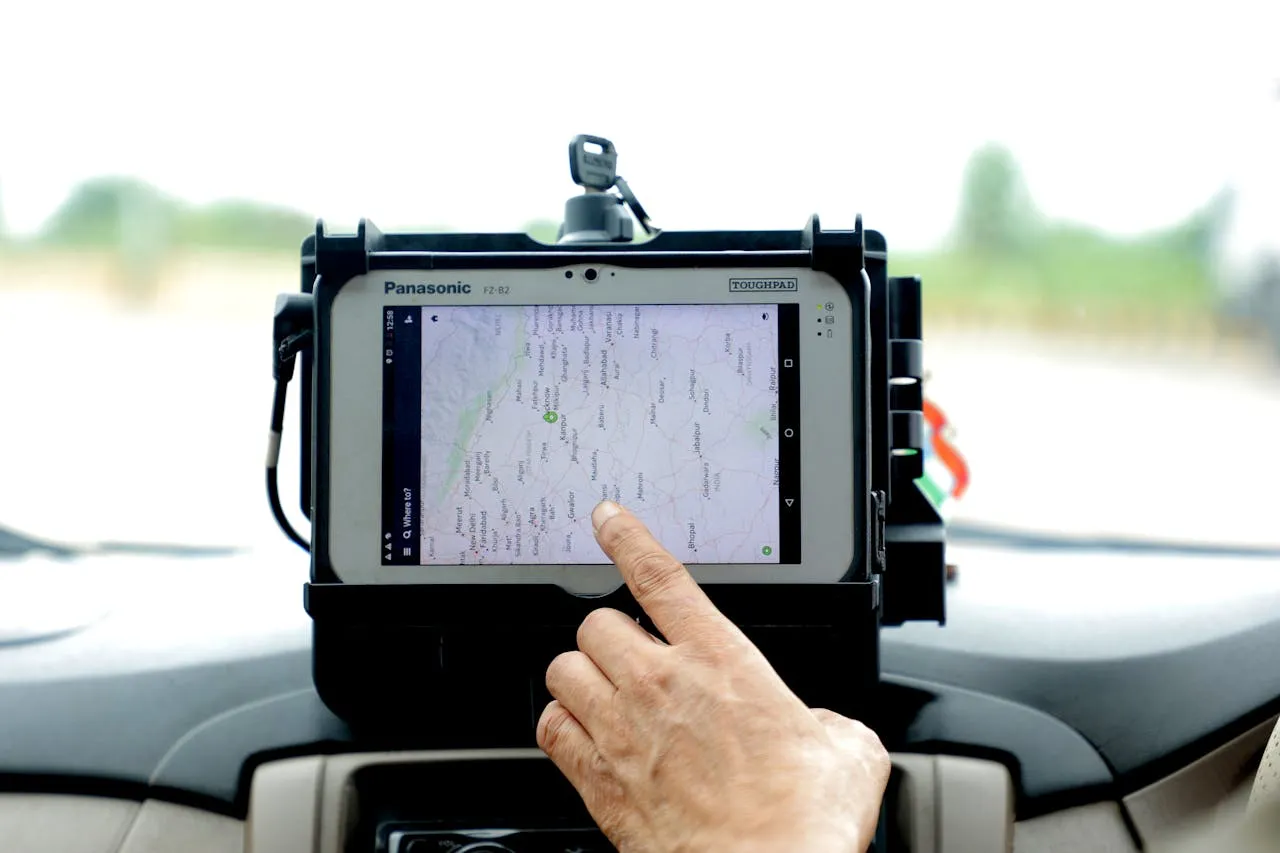
Panasonic Connect has unveiled a new platform designed to modernize connected fleet operations by turning rugged in-vehicle devices into centralized intelligence hubs capable of collecting, analyzing, and managing critical operational data. The launch of Tough Command™ marks a strategic move by the company to simplify fleet connectivity for organizations operating mission-critical vehicles, particularly in sectors such as public safety, utilities, and enterprise field services.
The newly introduced platform is intended to help organizations reduce operational complexity, lower costs, and unlock greater value from existing technology infrastructure without requiring extensive hardware upgrades. By leveraging the capabilities already embedded within deployed TOUGHBOOK devices, Panasonic Connect aims to eliminate the need for costly, fragmented systems often used to collect vehicle and equipment data.
As fleet operators increasingly rely on digital technologies to manage vehicles, workforce productivity, and maintenance requirements, many organizations have found themselves managing a patchwork ecosystem of telematics devices, software subscriptions, sensors, and hardware add-ons. This fragmented approach can increase expenses, create compatibility challenges, and complicate fleet management efforts.
Panasonic Connect believes Tough Command offers an alternative by adopting what it describes as a software-first strategy—one that capitalizes on the processing power, GPS capabilities, and connectivity already integrated into rugged TOUGHBOOK laptops and 2-in-1 devices deployed across fleets.
For years, organizations responsible for emergency response vehicles, field service fleets, and utility operations have depended on mobile data terminals (MDTs) and rugged computing systems to support frontline personnel. These technologies have enabled workers to access mission-critical information while in the field, communicate with dispatch centers, and document operational activities.
However, while mobile computing technology has evolved, enabling comprehensive vehicle intelligence often required additional telematics hardware and disconnected software systems. Fleet operators frequently adopted multiple third-party tools to monitor vehicle diagnostics, track assets, collect sensor data, and coordinate maintenance efforts.
This often resulted in operational silos, fragmented workflows, and increased costs tied to software licensing, equipment purchases, and vendor management.
Tough Command is designed to consolidate these disconnected systems into a single platform by transforming TOUGHBOOK devices into secure gateways capable of capturing and transmitting operational data across connected fleets.
Rather than requiring organizations to install multiple pieces of new hardware, Panasonic’s solution uses existing rugged devices as the central platform for gathering information from vehicles, IoT systems, and surrounding infrastructure.
The result is a more unified approach to fleet intelligence that can support real-time monitoring, predictive maintenance, operational coordination, and performance optimization.
At the center of Tough Command’s architecture is an edge-to-cloud data framework intended to streamline how information is collected and used across organizations operating critical fleets.
The platform acts as a secure gateway, collecting information from vehicles, connected equipment, IoT devices, and infrastructure systems before transmitting that data into a centralized cloud environment.
Once aggregated, the data can be analyzed to provide fleet managers, dispatchers, and operations teams with actionable insights that support faster and more informed decision-making.
This capability is particularly valuable for industries where operational uptime is essential and service disruptions can have serious consequences.
For utility providers, fleet visibility plays a critical role in ensuring crews can respond rapidly to outages and infrastructure failures. Vehicle downtime or malfunctioning field equipment can delay restoration efforts and increase operational costs.
Through Tough Command, utility managers can monitor vehicle performance, assess equipment health, and proactively identify issues before they lead to operational interruptions.
Public safety agencies may also benefit significantly from centralized fleet intelligence. Police departments, fire services, and emergency medical services (EMS) organizations often manage geographically dispersed fleets where response readiness is vital.
The ability to quickly detect mechanical issues, track vehicle status, and coordinate fleet readiness could help dispatch centers reduce downtime and improve emergency response capabilities.
For emergency responders operating under time-sensitive conditions, having access to real-time operational data may contribute to faster deployment and more efficient coordination during critical incidents.
A key element of Panasonic Connect’s strategy behind Tough Command is helping organizations maximize the return on technology investments they have already made.
According to the company, many organizations have invested heavily in rugged computing systems, particularly TOUGHBOOK devices used in vehicles and field operations. Yet those systems are often underutilized, functioning primarily as communication or documentation tools rather than central intelligence platforms.
By leveraging the compute power already available within deployed devices, Panasonic aims to extend the value of these investments while minimizing the need for costly replacements or infrastructure overhauls.
Mike Smola, Senior Director of Product Management and System Engineering/Quality Assurance at Panasonic Connect, emphasized the company’s objective of helping fleets fully utilize connected technologies while reducing operational complexity.
According to Smola, Tough Command is intended to create a scalable environment where organizations can consolidate hardware, improve data integration, and build safer and more efficient operations.
Instead of managing multiple disconnected systems, organizations can operate through a unified platform capable of centralizing fleet intelligence and simplifying operational workflows.
This consolidation may be particularly appealing to organizations facing budget pressures while also needing to modernize aging fleet infrastructure.
At launch, Tough Command includes several core capabilities aimed at helping organizations digitize and modernize fleet operations.
One of the platform’s primary functions is edge data collection, which enables organizations to capture real-time information directly from in-vehicle TOUGHBOOK devices and connected equipment.
This capability allows fleet operators to monitor vehicle performance and operational status continuously, supporting proactive maintenance strategies that can reduce downtime and unexpected repair costs.
Because the platform leverages existing hardware, organizations can implement fleet intelligence capabilities without deploying extensive additional infrastructure.
Another key feature involves cloud-based storage and analytics, allowing operational data to be centralized within a secure digital environment.
By consolidating information from across a fleet, organizations gain greater visibility into vehicle health, maintenance requirements, and route performance.
Managers can analyze trends, identify inefficiencies, optimize fleet utilization, and forecast maintenance needs based on real-time and historical operational data.
Such predictive capabilities may become increasingly valuable as organizations seek to improve cost efficiency while maintaining high levels of service reliability.
Tough Command also includes a web-based user interface portal, providing organizations with centralized access to fleet intelligence through an intuitive dashboard.
The interface includes built-in user management functionality, allowing teams operating across multiple locations to coordinate activities and monitor performance more effectively.
This centralized visibility can help organizations simplify administration and improve oversight of fleet operations.
In addition, the platform features reporting and automation capabilities, enabling organizations to explore collected data in greater detail.
Users can generate customized reports tailored to operational needs and automate communication through scheduled email notifications.
These reporting functions may help leadership teams identify recurring maintenance concerns, monitor compliance, and improve long-term operational planning.
While Tough Command is designed to maximize the value of TOUGHBOOK deployments, Panasonic Connect is positioning the platform as vendor-agnostic and capable of supporting mixed-device environments.
This flexibility may prove important for organizations operating diverse technology ecosystems where different hardware platforms and systems coexist.
Rather than forcing fleets into a closed ecosystem, Tough Command has been developed to integrate into existing operational infrastructures.
Panasonic says it plans to work closely with customers during implementation to ensure seamless integration and uninterrupted data flow across devices and connected systems.
The ability to support diverse environments could strengthen adoption among organizations hesitant to commit to rigid technology platforms that require significant changes to existing infrastructure.
As fleet operations become increasingly data-driven, interoperability and scalability are expected to play a major role in purchasing decisions.
Organizations investing in fleet modernization often prioritize technologies capable of evolving alongside operational requirements while minimizing disruption to existing workflows.
The launch of Tough Command reflects broader trends reshaping fleet management and connected mobility across industries.
Organizations increasingly seek technologies capable of delivering real-time operational visibility, predictive maintenance insights, and improved workforce coordination.
As connected vehicles, IoT sensors, cloud analytics, and artificial intelligence continue to gain traction, fleet operators are under pressure to modernize systems while controlling costs.
Software-driven platforms that leverage existing hardware infrastructure may become increasingly attractive as organizations pursue digital transformation initiatives without undertaking expensive fleet-wide technology replacements.
For Panasonic Connect, Tough Command represents an opportunity to deepen its role in mission-critical mobility and rugged computing environments by extending the capabilities of TOUGHBOOK devices beyond traditional field applications.
By positioning rugged computers as centralized data hubs, the company is aiming to simplify fleet intelligence while enabling organizations to unlock greater value from technologies already deployed in the field.
As public safety agencies, utilities, and enterprise fleets continue to pursue smarter and more connected operations, platforms capable of consolidating data, reducing hardware dependencies, and improving operational visibility are likely to play a growing role in the future of fleet management.
Source Link:https://www.businesswire.com/