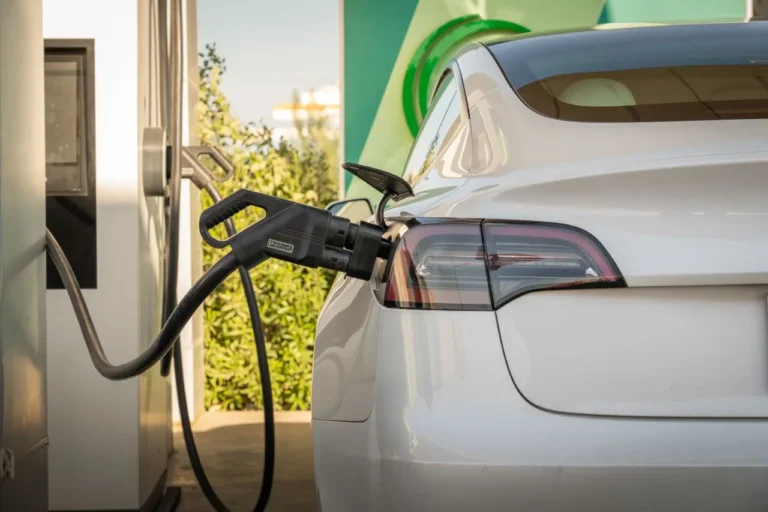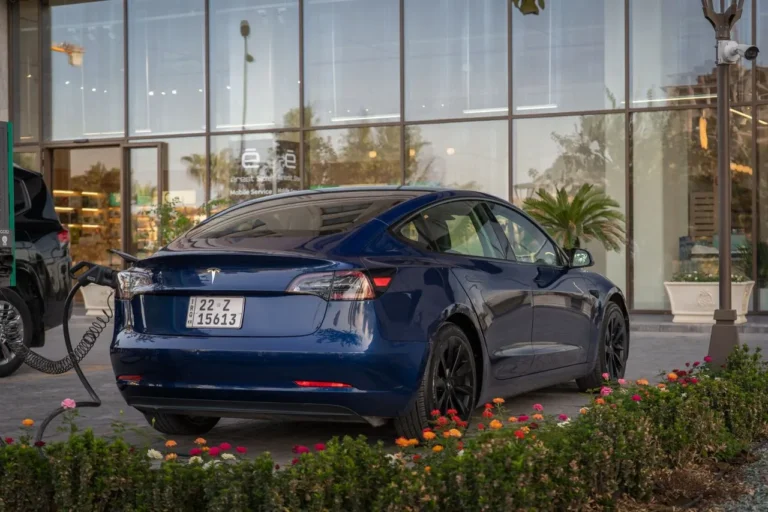
In a move that signals growing momentum in the race to build the infrastructure needed for electric and autonomous transportation, Voltera and Revel have announced a definitive agreement to combine their businesses. The merger is expected to create a larger and more integrated charging infrastructure platform aimed at supporting electric vehicle fleets, autonomous mobility operators, and ride-hail services in major urban markets across the United States.
The transaction brings together two companies that have independently focused on solving one of the most pressing challenges facing electric transportation: reliable, high-capacity charging infrastructure in dense metropolitan areas where fleets operate continuously and require fast turnaround times.
Following the completion of the transaction, the combined organization will operate under the Voltera name and branding while leveraging the complementary strengths of both companies to accelerate charging network deployment. The merged business is expected to establish one of the nation’s most extensive dedicated charging footprints for fleet and autonomous vehicle operations, with more than 1,000 charging stalls either currently operating or under active development across 11 major U.S. metropolitan regions.
The agreement highlights the increasing importance of infrastructure consolidation as electric mobility adoption accelerates and autonomous vehicle technologies move closer to commercial deployment.
Electric vehicle adoption continues to reshape transportation systems globally, but the demands of commercial fleets and autonomous vehicles differ significantly from those of consumer EV ownership. Fleet operators, ride-hailing services, logistics companies, and self-driving vehicle developers require charging facilities capable of supporting large numbers of vehicles operating nearly around the clock.
Unlike residential charging solutions designed for private consumers, urban fleet charging infrastructure must prioritize rapid charging capabilities, reliable grid access, strategic real estate positioning, and operational efficiency. The combined Voltera-Revel platform is designed specifically to address these requirements.
Executives from both companies said the merger reflects years of parallel work aimed at developing infrastructure capable of meeting the unique needs of fleet-scale transportation systems operating in densely populated cities.
The combined platform will integrate Voltera’s expertise in site development, customer relationships, and infrastructure planning with Revel’s established urban operating experience and charging network footprint.
Industry analysts increasingly view such partnerships as necessary for scaling electric mobility infrastructure, especially as competition intensifies among charging operators seeking premium urban locations with sufficient power availability.
One of the defining characteristics of the combined company will be its concentration on densely populated urban environments where fleet utilization rates are highest and demand for rapid charging is expected to grow substantially over the coming decade.
Cities remain central to the electrification transition due to rising emissions regulations, increasing rideshare demand, public transportation electrification efforts, and ongoing pilot programs for autonomous mobility services.
Upon closing, the newly combined company expects to maintain operations and development projects spanning 11 major metro areas in the United States. While specific cities were not detailed in the announcement, the focus will reportedly remain on markets where electric fleet deployment is accelerating and infrastructure constraints create opportunities for dedicated charging providers.
Rather than pursuing broad geographic expansion across every market, the company plans to prioritize a targeted growth strategy centered on select urban regions that offer strong commercial potential and favorable fleet economics.
This focused approach may allow the company to deploy capital more efficiently while building operational density in high-demand corridors.
As part of the merger, organizational leadership changes are also planned.
Following the closing of the transaction, current Revel Chief Executive Officer Frank Reig will assume leadership of the newly combined organization as CEO of Voltera. The structure is intended to streamline decision-making and operational integration as the two businesses combine resources.
Current Voltera CEO Brett Hauser is expected to transition out of the chief executive role after the deal closes. However, Hauser will remain involved with the company in a senior commercial advisory position, where he will support customer relationships and help facilitate a smooth transition process.
The leadership arrangement reflects a broader effort to preserve institutional knowledge from both organizations while consolidating operations under a unified structure.
Frank Reig, who will lead the combined company, emphasized the strategic logic behind bringing the businesses together, noting that both firms have spent years addressing infrastructure challenges faced by large-scale mobility operators in urban environments.
According to Reig, the merger represents a natural evolution in efforts to scale charging solutions where demand from electric fleets and autonomous vehicle operators is expected to rise rapidly.
Brett Hauser also highlighted the alignment between the two companies, pointing to their shared understanding of how charging infrastructure must evolve to meet future transportation needs.
He said the partnership reflects a common long-term vision centered on building reliable charging ecosystems capable of supporting commercial fleet deployment at scale.
The timing of the merger coincides with growing interest in autonomous mobility and commercial fleet electrification.
Ride-hailing companies, delivery operators, municipal transit agencies, and autonomous vehicle developers are increasingly transitioning toward electric powertrains in an effort to reduce operating costs and comply with environmental mandates.
However, charging access remains a major challenge.
Autonomous vehicles, in particular, require infrastructure solutions capable of supporting vehicles that may operate nearly continuously, with minimal downtime and optimized charging schedules. Similarly, fleet operators require dependable charging availability to avoid disruptions to service schedules.
The combined Voltera platform aims to address these operational realities through charging hubs specifically designed around fleet movement patterns, vehicle turnaround times, and power requirements.
Rather than emphasizing public consumer charging alone, the company plans to prioritize infrastructure designed around commercial deployment needs.
Executives said market selection, site planning, and deployment schedules will be aligned closely with customer requirements, enabling more tailored infrastructure investments.
This customer-centric strategy may prove increasingly valuable as commercial electric mobility ecosystems become more sophisticated.
The merger also reflects broader trends within the electric vehicle infrastructure market, where scale and capital access are becoming increasingly important competitive advantages.
Building urban charging networks requires substantial investment in land acquisition, electrical infrastructure upgrades, utility coordination, permitting, and equipment deployment. In many cases, charging sites must also integrate energy storage systems and advanced energy management technologies to maintain operational reliability.
Investment firm representatives associated with the transaction described urban mobility electrification as one of the decade’s most demanding infrastructure challenges.
Industry stakeholders increasingly believe companies capable of securing strategic real estate and power access in high-demand markets may establish lasting advantages as electric fleet adoption expands.
Supporters of the transaction believe the combined Voltera-Revel platform will be positioned to compete effectively during this next stage of infrastructure development.
The company intends to continue advancing projects already underway across both organizations while refining a unified development pipeline and long-term capital strategy.
Rather than pursuing expansion at any cost, leadership said the merged organization will prioritize investments in sites that demonstrate strong compatibility with fleet and autonomous vehicle operations.
Although fast-charging infrastructure remains the company’s central focus, executives suggested the platform could expand into adjacent business opportunities over time.
Potential future areas of exploration include charging services for non-autonomous electric fleets, energy management technologies, battery storage systems, and integrated fleet support solutions.
Battery storage, in particular, could play an increasingly important role in managing electricity demand at large-scale charging hubs, helping operators reduce grid constraints and improve energy efficiency.
Integrated fleet services may also emerge as an important growth area as transportation providers seek comprehensive infrastructure partnerships rather than standalone charging access.
The strategy suggests the company may evolve beyond a traditional charging network operator into a broader mobility infrastructure provider.
The merger between Voltera and Revel underscores a larger pattern emerging across the electric vehicle charging industry: consolidation.
As competition intensifies and deployment costs remain high, companies are increasingly seeking partnerships that combine expertise, customer access, and operational scale.
For urban charging providers in particular, securing strategic locations and utility access can present significant barriers to entry, making mergers an attractive path to expansion.
The newly combined Voltera platform appears positioned to capitalize on this evolving landscape by combining infrastructure development expertise with operational experience in dense urban markets.
While challenges remain—including utility constraints, permitting delays, and evolving technology standards—the transaction reflects growing confidence in the long-term demand for fleet-focused charging infrastructure.
With electric fleets expected to expand rapidly and autonomous vehicle programs continuing to advance, charging providers capable of supporting high-utilization urban operations are likely to play a critical role in the transportation ecosystem of the future.
For Voltera and Revel, the merger represents more than a business combination—it marks a strategic bet on how cities, fleets, and mobility services will evolve in the years ahead.
Source Link:https://www.businesswire.com/