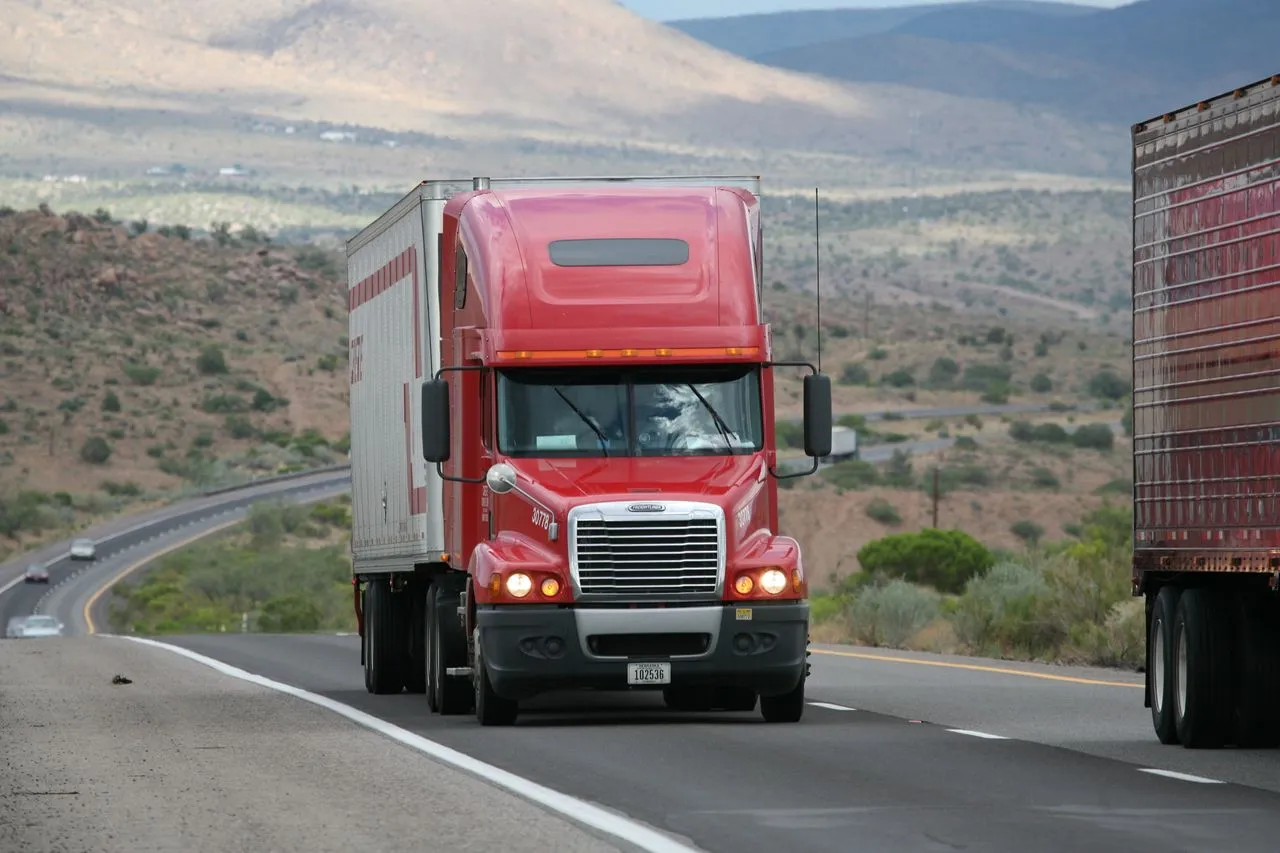
Aurora Innovation, Inc. is taking the next major step in the commercialization of autonomous trucking with the launch of its second-generation driverless truck platform in the United States. The company, which is focused on self-driving freight transportation, plans to deploy the new fleet across its growing commercial network and use the upgraded vehicles to support additional customers and expand autonomous freight operations.
The launch represents a significant milestone for Aurora as the company moves from demonstrating the capabilities of its autonomous driving technology toward building and deploying driverless trucks at commercial scale. Aurora currently operates across 10 driverless routes spanning the U.S. Sun Belt, and the new truck platform is expected to provide the foundation for further expansion across the company’s growing network.
Aurora made history last year when it began operating Class 8 trucks equipped with its Aurora Driver autonomous driving system on public roads without a human driver behind the wheel. Since then, the company has continued to accumulate real-world operational experience and expand its commercial freight activities. As of the end of June, the Aurora Driver had completed nearly 440,000 driverless miles, providing the company with extensive data and operational experience from autonomous freight missions.
The company’s latest launch comes at a time when demand for autonomous trucking technology is continuing to grow. Aurora’s expansion has already generated substantial commercial interest, including a recent customer plan to purchase 500 trucks powered by the Aurora Driver. The planned purchase represents one of the clearest signs yet that autonomous trucking is moving beyond pilot programs and toward broader commercial adoption.
According to Aurora, the new second-generation driverless truck is designed specifically to support the company’s next phase of growth. While the first-generation platform played a critical role in proving that autonomous Class 8 trucks could operate safely on public roads, the new vehicle architecture is intended to support larger-scale production and deployment.
Aurora CEO and co-founder Chris Urmson said the company’s initial driverless launch demonstrated that its technology could safely operate in real-world public-road conditions. The second-generation platform, he explained, is intended to build on that achievement by creating the foundation for a significantly larger autonomous trucking fleet.
The company expects the new platform to allow it to place hundreds of autonomous trucks on the road and ultimately make the technology available to a greater number of customers. This transition from technology validation to commercial scale is one of the most important stages in the development of autonomous transportation systems.
For freight carriers, logistics companies and shippers, the ability to deploy autonomous trucks in larger numbers could provide significant operational benefits. Autonomous vehicles have the potential to improve freight efficiency, increase vehicle utilization and help address long-term challenges related to the availability of professional truck drivers. By expanding its fleet, Aurora aims to demonstrate these benefits across a broader range of commercial routes and customers.
Aurora’s second-generation driverless trucks are based on the International LT Series vehicle. The platform has been selected as the foundation for the new fleet, which is equipped with Aurora’s next-generation autonomous driving hardware.
The updated hardware is designed to provide greater computing capability and improved durability compared with the company’s previous system. Aurora says the new hardware is more powerful and has been engineered to last up to one million miles. Such durability is particularly important in the commercial trucking sector, where vehicles routinely accumulate substantial mileage while operating on demanding schedules.
For autonomous trucks, long-term hardware reliability is especially important. A commercial driverless vehicle must be capable of operating consistently over extended periods while its sensors, computing systems and other critical components remain reliable. Aurora’s focus on a one-million-mile hardware lifespan is therefore intended to align the autonomous platform with the demanding requirements of the freight industry.
The new hardware architecture is also expected to support Aurora’s ability to increase production volumes. As autonomous trucking operations grow, the company will need to manufacture and deploy vehicles in significantly larger numbers than those used during early testing and validation programs.
Before the second-generation truck was launched commercially, Aurora completed its Safety Case for the new vehicle and hardware configuration. The Safety Case represents the company’s established framework for demonstrating that its autonomous driving system is ready to operate on public roads without a person behind the wheel.
Completing the Safety Case is a critical step in Aurora’s deployment process. Autonomous trucking requires extensive validation of the vehicle’s hardware, software, operational procedures and safety performance. The process is designed to ensure that the entire autonomous driving system is capable of handling the complex conditions encountered during commercial operations.
The completion of the Safety Case for the second-generation truck indicates that Aurora has completed the necessary safety validation for the new platform before expanding its use on public roads. This process is particularly important as the company moves toward larger-scale deployments and begins supporting more customers across its commercial network.
Aurora’s approach reflects the broader requirements of autonomous vehicle development, where safety validation must extend beyond individual components. The vehicle, sensors, computing hardware, autonomous driving software and operational procedures must function together as an integrated system.
To support the production of the new fleet, Aurora is working with Roush, a major product development and manufacturing supplier. Roush is responsible for installing redundant systems and integrating Aurora’s next-generation autonomous driving hardware into the International LT Series trucks.
The work is being carried out at a production facility dedicated to Aurora. The companies have also formalized an upfit process designed to support the growing demand for autonomous trucks.
Roush’s involvement is expected to play an important role in helping Aurora increase production capacity. The partnership is positioned to reach an annual production run-rate of 1,000 Aurora trucks later this year. Reaching that level would represent a significant increase in the company’s ability to deliver autonomous vehicles to customers.
The ability to produce autonomous trucks at scale has long been one of the key challenges facing the self-driving industry. Developing autonomous technology is only one part of the process. Companies must also establish reliable supply chains, manufacturing partnerships and vehicle integration processes capable of supporting commercial production.
Aurora’s partnership with Roush is intended to address that challenge by creating a dedicated process for integrating autonomous technology into production trucks. The approach allows the company to leverage the manufacturing and engineering expertise of an established product development partner while continuing to deploy its own autonomous driving technology.
Aurora’s second-generation truck launch comes as the company continues to expand its commercial autonomous freight network. The network currently includes 10 driverless routes throughout the U.S. Sun Belt, an important region for freight transportation because of its large population centers, manufacturing activity, distribution hubs and major highway corridors.
The company’s growing route network provides an operational foundation for expanding autonomous freight services. As more routes become available, Aurora can serve additional customers and increase the number of freight miles completed by its autonomous vehicles.
The nearly 440,000 driverless miles completed by the Aurora Driver through the end of June represent a substantial amount of real-world operational experience. Each mile provides additional data that can be used to evaluate system performance and support ongoing improvements in autonomous driving operations.
The company’s progress also highlights the transition taking place in the autonomous trucking industry. Early development efforts were primarily focused on testing vehicles and proving that autonomous systems could operate safely. The focus is now increasingly shifting toward commercial deployment, customer demand and fleet expansion.
One of the most significant developments surrounding Aurora’s expansion is a customer’s recent plan to purchase 500 Aurora Driver-powered trucks. The planned order demonstrates the growing interest among commercial customers in autonomous freight technology.
A purchase of this size could represent a major step toward the deployment of autonomous trucks in large commercial fleets. It also suggests that customers are beginning to evaluate autonomous trucking as a long-term transportation solution rather than simply an experimental technology.
For freight operators, autonomous trucks could potentially provide greater flexibility in managing long-distance routes and improve the utilization of vehicles. Autonomous systems may also help address the challenges created by driver shortages and increasing demand for freight transportation.
However, successful commercial deployment will depend on several factors, including safety, reliability, regulatory compliance, manufacturing capacity and customer acceptance. Aurora’s second-generation platform is intended to address many of these requirements by combining improved hardware, a validated safety process and a production system designed for higher volumes.
Aurora’s latest launch represents an important shift in the company’s strategy. The first-generation driverless truck proved that the Aurora Driver could operate Class 8 vehicles on public roads without a human driver. The second-generation platform is intended to transform that technological achievement into a scalable commercial business.
The company’s objective is to deploy hundreds of autonomous trucks and make its technology available to a larger customer base. The planned production capacity of up to 1,000 trucks annually provides a potential pathway for significant fleet growth.
The company also believes that its collaboration with Roush will help it respond to customer demand more effectively. By creating a dedicated production and upfit process, Aurora can focus on increasing vehicle output while maintaining the integration standards required for autonomous operations.
As autonomous trucking continues to develop, manufacturing scale will become increasingly important. Companies that successfully combine autonomous driving technology with reliable vehicle production and commercial operations could be better positioned to compete in the emerging freight market.
Aurora’s launch of its second-generation driverless trucks marks a new phase in the development of autonomous freight transportation. With nearly 440,000 driverless miles completed, a commercial network covering 10 routes and growing interest from customers, the company is moving beyond the early demonstration stage of autonomous trucking.
The new International LT Series-based platform brings upgraded autonomous hardware, enhanced durability and a design intended to support higher production volumes. The completion of Aurora’s Safety Case provides the foundation for operating the new trucks on public roads, while the partnership with Roush is designed to support production growth.
The planned deployment of hundreds of autonomous trucks could significantly expand Aurora’s presence in the commercial freight market. The potential customer purchase of 500 Aurora Driver-powered trucks further highlights the growing commercial opportunity surrounding autonomous trucking.
As the industry continues to evolve, the success of autonomous freight will ultimately depend on the ability to deliver safe, reliable and economically viable transportation services at scale. Aurora’s second-generation platform is designed to address that challenge by combining proven autonomous driving technology with a more powerful hardware architecture and an expanded production strategy.
With its new truck platform now entering deployment, Aurora is positioning itself for the next stage of autonomous freight development. The company aims to use its growing operational experience, manufacturing partnerships and customer demand to expand driverless trucking across the United States and help reshape the future of long-distance freight transportation.
Source Link:https://www.businesswire.com/