Customer satisfaction with auto insurance claims is increasingly influenced by what happens after an accident, particularly when a damaged vehicle is declared a total loss. According to the JD Power 2026 U.S. Auto Claims Satisfaction Study, released in October 2026, customer satisfaction is improving for drivers whose vehicles can be repaired, while satisfaction among customers whose vehicles are declared total losses continues to decline.
The study highlights a growing difference between two major outcomes of the auto insurance claims process. Customers whose vehicles are repaired are reporting better experiences, supported by shorter repair timelines and improved repair shop capacity. In contrast, customers dealing with total loss claims are experiencing greater dissatisfaction, partly because of financial pressures, outstanding vehicle loans and concerns about whether insurance settlements adequately cover their losses.
Overall satisfaction with the auto insurance claims process remains unchanged at 700 points on a 1,000-point scale. However, this stable overall score hides significant differences in customer experiences. Satisfaction increased by four points year over year when vehicles were repaired, while satisfaction declined by 12 points when vehicles were declared total losses.
The continued decline in satisfaction for total loss claims is particularly concerning for insurance companies. According to the study, customer satisfaction in this category has fallen for three consecutive years, declining by 46 points since 2023.
The findings suggest that insurers are making progress in certain areas of claims management, but financial challenges and communication problems continue to affect customer perceptions of the claims process.
One of the most significant findings of the 2026 study is the growing proportion of auto insurance claims involving vehicles that cannot be economically repaired.
Total loss claims accounted for 26% of auto insurance claims in 2026, compared with 16% four years earlier. This represents a substantial increase in the share of claims that require insurers to compensate vehicle owners rather than arrange repairs.
Several factors are contributing to this trend. Vehicle repair costs have increased, making it more expensive to restore damaged cars after accidents. Modern vehicles also incorporate advanced electronic systems, sensors, cameras and driver assistance technologies that can require specialized parts, equipment and labor.
Even damage that appears relatively limited may involve expensive repairs when safety systems or structural components are affected. Depending on the vehicle’s value and the insurer’s applicable total loss criteria, the cost of restoring a damaged vehicle can make repair economically impractical.
The age and value of vehicles also influence these decisions. Many consumers are keeping their vehicles for longer periods because replacing them has become expensive. When an older vehicle sustains significant damage, the cost of repairs may exceed the amount justified by its market value.
As a result, insurers may declare more vehicles total losses, increasing the number of customers who must navigate settlement negotiations, loan repayments and replacement vehicle purchases.
Higher insurance deductibles are another factor influencing the claims environment. Some drivers choose larger deductibles to manage premium costs, while smaller repair expenses may be paid out of pocket instead of being submitted as insurance claims. These changes can affect the composition of reported claims and the overall customer experience.
For many vehicle owners, a total loss claim involves more than receiving an insurance payment. It can create an immediate financial challenge, particularly when the outstanding balance on a vehicle loan exceeds the insurance settlement.
The JD Power study found that total loss customer satisfaction was lowest, at 490 points, when the insurance payment did not cover the remaining amount owed on the vehicle. Among customers who had outstanding vehicle loans, 25% received insurance payouts that were lower than their remaining loan balances.
This situation can leave consumers responsible for paying the difference between the settlement and the amount owed to their lenders.
For example, a driver may still owe $30,000 on a vehicle loan when an accident results in a total loss. If the applicable insurance settlement is $25,000, the driver may have to cover the remaining $5,000, subject to the policy terms and any applicable gap coverage.
At the same time, the customer may need to arrange alternative transportation or purchase another vehicle. If replacement vehicles are expensive or financing conditions are unfavorable, the financial pressure can become even greater.
Negative equity, which occurs when a borrower owes more on a vehicle than its current value, can therefore have a significant effect on the claims experience. Drivers who financed vehicles with small down payments, extended loan terms or large financed balances may be particularly exposed to this risk.
The study indicates that these circumstances can create dissatisfaction even when an insurer processes a claim according to the applicable policy terms. Customers may judge the experience by the financial outcome rather than by the technical accuracy of the settlement.
For insurance providers, explaining how vehicle valuations and settlement calculations work is essential. Clear communication about the amount payable, outstanding loan obligations and available coverage options can help customers understand their financial position during an already stressful situation.
While total loss claims are becoming more challenging, the study identifies encouraging developments for customers whose vehicles can be repaired.
Average vehicle repair cycle times reached 15.3 days during the first quarter of 2026, a reduction of 10 days compared with the first quarter of 2024.
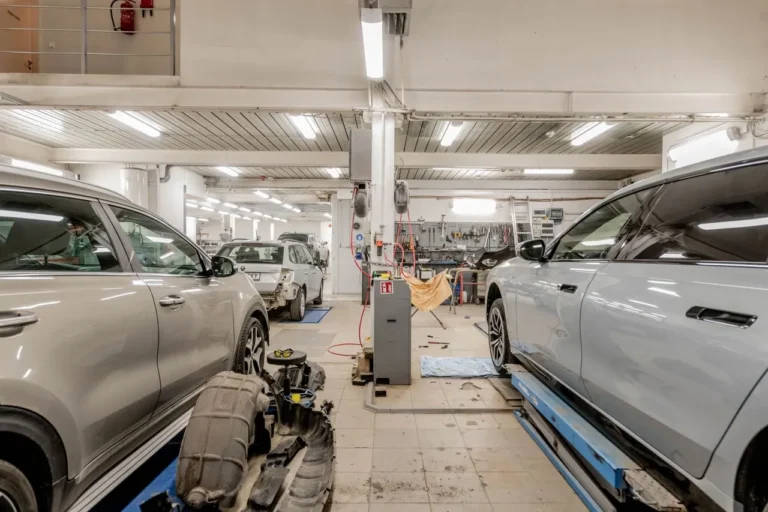
This improvement indicates that repair facilities are completing work more quickly than they were two years earlier. Reduced claim volumes have given repair shops additional capacity, allowing them to manage workloads more effectively.
Faster repairs can improve customer satisfaction in several ways. Vehicle owners can return to their normal routines sooner, reduce the time they depend on alternative transportation and experience fewer disruptions to their personal or professional responsibilities.
Repair duration is especially important for customers who use their vehicles for commuting, family transportation or business activities. Delays can create additional expenses and inconvenience, particularly when rental vehicle coverage is limited or unavailable.
Shorter repair times can also help insurers improve claims efficiency. When repairs are completed more quickly, insurers may be able to manage claims with fewer follow-ups and reduce the time customers spend waiting for updates.
However, repair speed alone does not determine whether a customer is satisfied. The quality of the repair, the accuracy of initial estimates, the availability of replacement parts and the clarity of communication throughout the process also influence the overall experience.
Insurers and repair facilities must therefore continue balancing speed with quality, safety and transparent customer service.
The study also highlights the broader impact of affordability concerns on auto insurance customers.
Insurance premiums, vehicle financing costs, repair expenses and everyday living costs can influence how consumers choose and maintain their coverage. Some customers may respond by increasing their deductibles or removing optional benefits from their policies.
Rental vehicle coverage is one example. Customers who remove this benefit to reduce premiums may face additional transportation costs when their vehicles are damaged or declared total losses.
Similarly, choosing a higher deductible may lower the premium but increase the amount a customer must pay before insurance coverage applies to an eligible claim.
These decisions can help consumers manage immediate expenses, but they may also increase their financial exposure after an accident.
For insurers, this creates a difficult balance between offering affordable policies and ensuring customers understand the consequences of their coverage choices. Customers may focus primarily on premium savings when purchasing a policy without fully considering how their decisions could affect them during a claim.
Insurance companies can address this challenge by explaining deductibles, rental benefits, settlement procedures and other relevant policy provisions in accessible language.
Proactive education can help customers make more informed decisions and reduce misunderstandings when they need to use their coverage.
Communication across digital and traditional service channels remains another important area for improvement.
According to the JD Power study, overall customer satisfaction reached 804 points when customers completely agreed that their insurer provided a seamless experience across channels. By comparison, satisfaction fell to 390 points among customers who disagreed with that statement.
The difference highlights the importance of providing a consistent and connected experience throughout the claims process.
Customers may interact with insurers through mobile applications, websites, telephone calls, email and in-person conversations. Although multiple communication options can make claims management more convenient, problems arise when information is inconsistent or customers must repeatedly explain their situations.
For example, a customer might upload photographs and supporting documents through an insurer’s mobile application but later discover that a telephone representative cannot access the information. Another customer may receive an automated status update that does not clearly explain what action is required next.
These situations can lead to confusion, repeated inquiries and declining confidence in the insurer.
The study found that insurers provided a seamless cross-channel experience in only 54% of cases, making it one of the weaker-performing key performance indicators measured in the research.
Improving this area will require more than simply introducing additional digital tools. Insurers need to ensure that customer information, claim status updates and service records remain consistent across their systems.
Digital platforms should also be easy to use, while customers should have access to human assistance when they need clarification or help resolving a problem.
The JD Power study evaluates customer experiences across eight dimensions, ranked by importance: trust, fairness of settlement, people, time to settle the claim, communication, ease of resolving the claim, ease of starting the claim and digital channels.
These dimensions demonstrate that claims satisfaction depends on the entire customer journey rather than a single transaction.
Trust is particularly important because customers rely on insurers to provide support during unexpected and often stressful events. When a claim is handled transparently, customers are more likely to understand the decisions being made and feel confident that their concerns are being addressed.
Fairness of settlement is equally significant, especially when a vehicle is declared a total loss. Customers may have questions about how the vehicle’s value was determined, which costs are included in the settlement and how the final payment relates to their policy.
Insurance representatives also play a crucial role. Empathetic, knowledgeable staff can explain complicated procedures, respond to questions and help customers understand their options.
Insurers that combine fair settlement practices with responsive service and clear communication may be better positioned to maintain customer confidence, even when the claim outcome is financially disappointing.
The 2026 findings have important implications for insurance providers, automotive repair businesses and the wider vehicle ownership ecosystem.
For insurers, the growing share of total loss claims increases the importance of accurate vehicle valuations, efficient settlement processes and customer support tailored to financially difficult situations. Companies may need to review how they communicate settlement decisions and help customers understand the implications of outstanding vehicle loans.
For repair shops, shorter repair cycle times demonstrate the benefits of improved capacity and more efficient workflows. Maintaining these improvements will require coordination with insurers, reliable parts availability and effective management of repair schedules.
Vehicle manufacturers and automotive technology suppliers also operate within this changing environment. As modern vehicles incorporate more complex electronics and safety systems, repair costs and the availability of qualified technicians can influence whether damaged vehicles are repaired or declared total losses.
Consumers, meanwhile, may benefit from reviewing their policies carefully, particularly their deductibles, rental coverage and potential protection against outstanding loan balances. The appropriate coverage will depend on individual financial circumstances and policy terms.
Across the industry, the findings reinforce the importance of combining operational efficiency with customer-focused claims management.
The JD Power 2026 U.S. Auto Claims Satisfaction Study examines the claims experiences of customers insured by major auto insurance providers across the United States.
The 2026 study is based on responses from 8,261 auto insurance customers who had settled a claim within the nine months preceding their participation. The survey was conducted from September 2025 through August 2026.
Customer experiences were evaluated across the eight dimensions covering trust, settlement fairness, service personnel, settlement time, communication, claim resolution, claim initiation and digital channels.
The study excludes customers whose claims involved only glass or windshield damage, vehicle theft or roadside assistance. Its findings therefore focus on a defined segment of auto insurance claims and should be interpreted within that scope.
Source Link:https://www.businesswire.com/