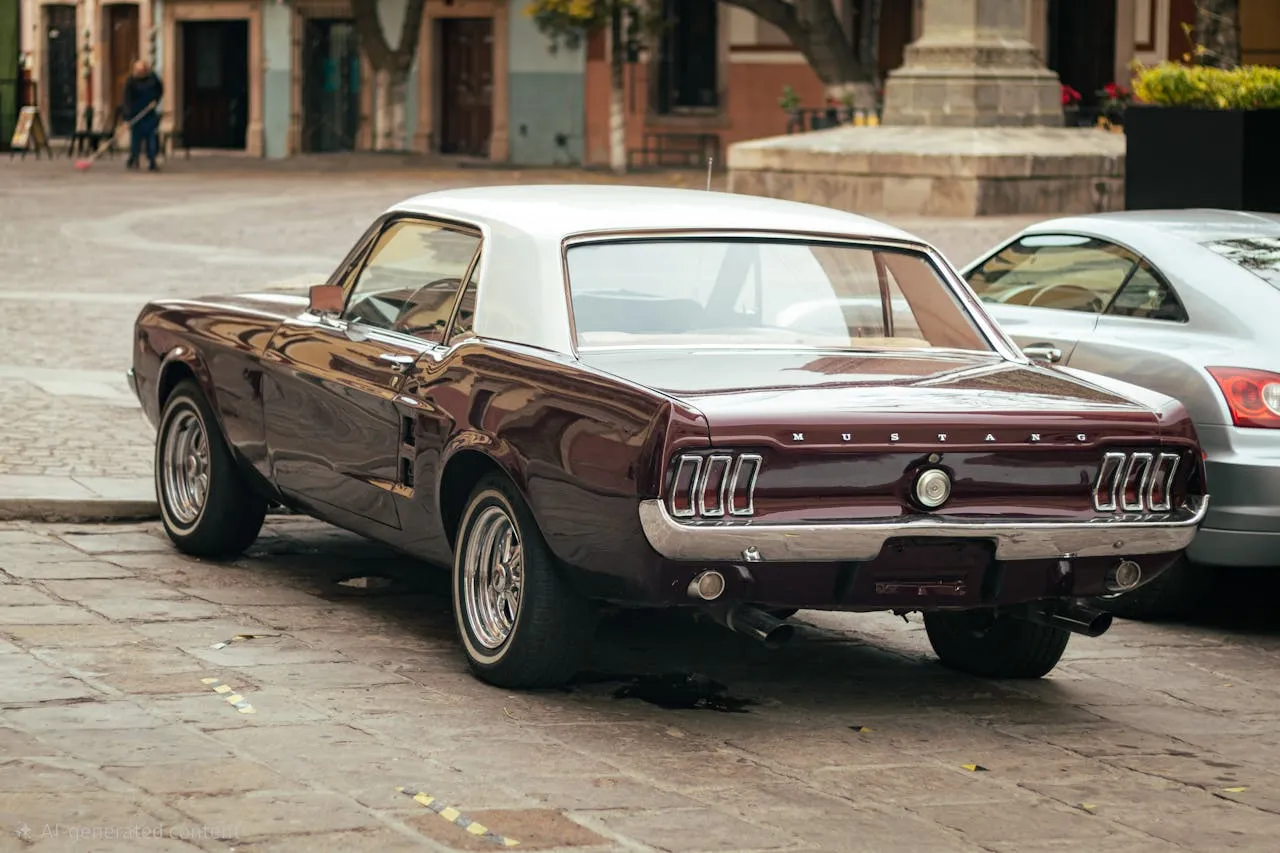
Hidden deep within the archives lies one of the most remarkable visual records in automotive history: a collection of more than 350,000 styling negatives that chronicle the evolution of vehicle design across decades. Preserved carefully in temperature-controlled vaults, these negatives offer an intimate look into the creative journey behind some of the most iconic automobiles ever built. From the earliest conceptual sketches to full-scale clay models, seating bucks, and final design approvals, the archive captures every stage of the design process spanning from the mid-1950s to the dawn of the 21st century.
This vast repository is more than just a collection of photographs—it is a time capsule of innovation, experimentation, and artistic vision. Each negative tells a story, revealing how designers, engineers, and visionaries collaborated to transform ideas into tangible machines. However, despite the richness of the content, there has always been one limitation: the overwhelming majority of these images exist only in black and white.
For decades, this monochromatic format has shaped how historians, enthusiasts, and designers interpret the past. While black-and-white imagery carries a certain timeless elegance, it can also create a sense of distance. The absence of color leaves much to the imagination, particularly when it comes to understanding the emotional and aesthetic impact of these vehicles as they were originally conceived. Color, after all, plays a critical role in automotive design—it influences perception, highlights form, and evokes emotion.
Recognizing this gap, and inspired by the rapid advancements in artificial intelligence, a new initiative has emerged to reimagine these archival images through the lens of modern technology. By leveraging AI-driven colorization techniques, the goal is to breathe new life into these historic visuals, offering a fresh perspective on classic designs. This effort does not aim to replace the original images, but rather to complement them—adding a new dimension that bridges the past with the present.
The project begins with one of the most celebrated nameplates in automotive history: the Mustang. Few vehicles have captured the imagination of drivers and enthusiasts quite like this legendary car. From its debut in the 1960s, the Mustang has symbolized freedom, performance, and individuality. Its design language has evolved over the years, yet it has always remained true to its roots.
Using AI, designers and archivists have started experimenting with how early Mustang concepts might appear if rendered in contemporary color palettes. One of the most intriguing questions posed by this initiative is simple yet compelling: what would these classic designs look like if they were imagined with the vibrant finishes of 2026?
To explore this idea, several standout images from the archive were selected and digitally enhanced. The results are both fascinating and thought-provoking, offering a blend of historical authenticity and modern interpretation.
Take, for instance, the earliest iterations of the Mustang. While the first production models are famously associated with Wimbledon White—a color that graced both the very first Mustang (VIN #1) and the milestone 10 millionth unit—the AI-enhanced versions invite viewers to consider alternative possibilities. Seeing 1960s design language rendered in bold, contemporary hues creates a striking contrast that underscores the timelessness of the Mustang’s form.
One particularly intriguing example is a proposed but never realized first-generation four-door Mustang. Dating back to January 1963, this clay model represents a design direction that ultimately never made it to production. In its original form, the image offers a glimpse into a “what could have been” scenario. However, when reimagined in Intense Lime Yellow Metallic, the concept takes on a completely new character. The vivid color accentuates the car’s proportions and details, making it easier to envision how such a model might have resonated with modern audiences.
Another highlight from the collection is a variation of the 1966 Fastback. The Fastback design is widely regarded as one of the most iconic silhouettes in Mustang history, and for good reason. Its sleek roofline and aggressive stance have made it a favorite among enthusiasts for decades. Through AI colorization, this particular variation has been rendered in Grabber Blue Metallic—a color that enhances its sporty appeal and brings out the dynamic lines of the bodywork. While the production version remains a classic in its own right, these alternative interpretations provide valuable insight into the breadth of ideas explored during the design process.
The archive also features a 1966 Mustang concept finished in Race Red. This version stands out for its distinctive rear styling, which evokes comparisons to other iconic vehicles of the era. The bold color choice amplifies the uniqueness of the design, drawing attention to elements that might otherwise go unnoticed in a black-and-white image. It serves as a reminder that even within a single model year, there was a remarkable diversity of creative exploration.
Perhaps one of the most fascinating entries in this project is the Mustang I concept. Unlike later production models, the Mustang I was a radical departure—a lightweight, mid-engine sports car designed to gauge public interest in a new type of vehicle. Two prototypes were built and taken on a tour of college campuses, where they were used to measure the appeal of a sporty, youth-oriented car among a new generation of drivers.
In its original form, the Mustang I is often remembered in white with a blue racing stripe—a classic and understated combination. However, the AI-enhanced version reimagines the concept in Orange Fury Metallic Tri-coat, transforming it into a bold and eye-catching statement. The vibrant finish emphasizes the car’s futuristic design and underscores its role as a forward-thinking experiment. While opinions may vary on which version is more appealing, there is no denying the impact of seeing such an iconic concept through a modern lens.
What makes this initiative particularly compelling is not just the visual transformation, but the dialogue it creates between past and present. By applying contemporary color schemes to historical designs, it invites viewers to reconsider their assumptions and engage with automotive history in a more immersive way. It also highlights the enduring relevance of these designs, demonstrating that great ideas transcend time.
At the same time, it is important to acknowledge the interpretive nature of AI colorization. The colors applied to these images are not necessarily historically accurate—they are creative approximations based on modern trends and available data. As such, they should be viewed as artistic reinterpretations rather than definitive representations. This distinction is crucial in maintaining the integrity of the archival material while embracing the possibilities offered by new technology.
Beyond its immediate visual appeal, this project also points to broader implications for the preservation and presentation of historical archives. As AI continues to evolve, it opens up new avenues for making archival content more accessible and engaging. From colorization and restoration to interactive experiences and virtual reality, the potential applications are vast.
For automotive enthusiasts, historians, and designers alike, these advancements offer exciting opportunities to explore the past in ways that were previously unimaginable. They allow us to see familiar objects from new perspectives, deepening our appreciation for the artistry and ingenuity that went into their creation.
Ultimately, the reimagining of these Mustang archive images is about more than just adding color—it is about storytelling. It is about connecting generations, sparking curiosity, and celebrating the legacy of one of the most iconic vehicles in history. By blending cutting-edge technology with a rich historical foundation, this initiative demonstrates how innovation can enhance our understanding of the past while inspiring the future.
As this exploration continues, it will be fascinating to see how audiences respond and what new insights emerge. Whether you prefer the classic look of black-and-white photography or the vibrant interpretations made possible by AI, one thing is certain: the story of the Mustang—and the archive that preserves it—has never been more vivid.
Source Link:https://www.fromtheroad.ford.com/