Caliber, a major automotive repair and service provider in the United States, has expanded its fleet-focused service offering with the launch of enhanced capabilities under Caliber Fleet Solutions, an initiative aimed at helping fleet operators address growing repair complexity through more coordinated and digitally connected services.
The company, known for operating collision repair and auto glass service businesses across the country, said the expanded platform is intended to improve repair visibility, reduce operational disruptions, and simplify repair management for commercial fleets navigating increasingly sophisticated vehicle technologies and fragmented service ecosystems.
The move comes at a time when fleet operators across industries—including logistics, transportation, rental services, utilities, and commercial delivery—are under mounting pressure to minimize vehicle downtime while managing higher repair costs and stricter safety expectations. As vehicles become more technology-intensive, repair workflows have also become more complicated, requiring coordination between multiple service categories ranging from collision restoration to diagnostics and calibration.
Caliber said the expanded fleet offering combines its nationwide repair network with new digital coordination capabilities designed to help customers manage repairs more efficiently.
Fleet operators today face a significantly different operating environment than they did just a few years ago. The increasing integration of advanced driver assistance systems (ADAS), connected vehicle technologies, sensors, cameras, and electronic control systems has transformed repair requirements following even relatively minor vehicle incidents.
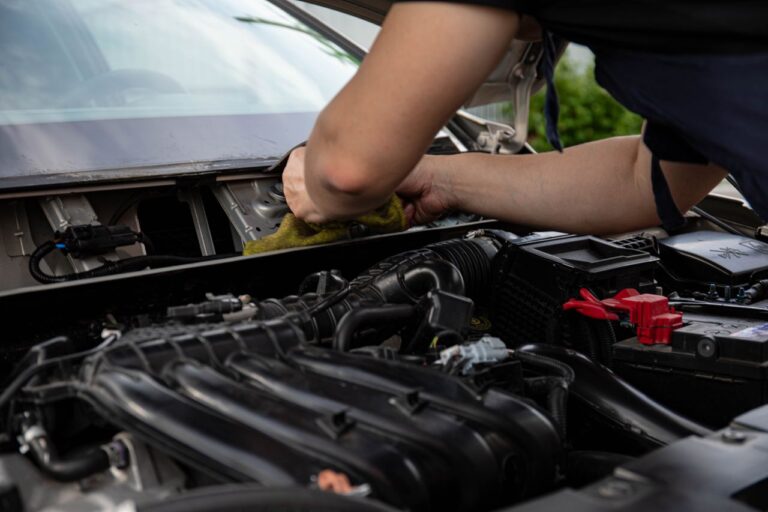
Modern vehicles often require more than traditional body repairs after a collision. Repair processes can include sensor recalibration, software diagnostics, windshield replacements tied to safety systems, and specialized inspections to ensure compliance with manufacturer specifications.
For fleet managers responsible for maintaining operational uptime, this complexity has introduced new logistical and financial challenges.
Instead of relying on a single repair provider, fleet organizations frequently coordinate with multiple vendors for collision work, glass replacement, mobile repairs, diagnostics, and post-repair verification. This fragmented process can create delays, communication gaps, and inconsistent service outcomes.
In response to these challenges, automotive service providers are increasingly investing in digital tools that centralize repair oversight and provide more transparency into repair timelines, costs, and service performance.
Caliber’s expanded fleet strategy appears aimed at positioning the company within this evolving repair landscape.
According to Caliber, the expanded Caliber Fleet Solutions offering is designed to bring together several repair-related services under one operational structure.
The platform combines the company’s national repair infrastructure—which includes collision repair facilities, auto glass services, mobile repair operations, and diagnostic support—with enhanced digital coordination tools.
By consolidating services, fleet operators may be able to reduce the operational friction associated with managing multiple repair providers and disconnected workflows.
The company said the expanded solution is intended to help customers match repair requirements with the most suitable service option based on variables such as geographic location, technical capabilities, repair availability, and cost considerations.
Among the key features of the offering are improved repair coordination across multiple service categories and enhanced visibility into repair progress.
Fleet operators are also expected to gain access to more streamlined communication processes, scheduling support, and repair intake management aligned with existing fleet workflows.
As commercial fleets increasingly rely on operational efficiency to meet customer expectations and delivery schedules, faster repair turnaround times have become a critical business priority.
Industry observers note that downtime can have a cascading effect on fleet economics, affecting route schedules, driver productivity, customer service commitments, and vehicle utilization rates.
Against this backdrop, repair coordination and visibility have become strategic priorities rather than purely maintenance concerns.
Brent Jones, Senior Vice President of Fleet Operations at Caliber, said the expansion reflects changing customer expectations and increasing operational complexity within fleet environments.
According to Jones, fleet customers are increasingly seeking broader repair coordination rather than isolated repair transactions.
He noted that commercial operators require scalable repair solutions capable of adapting to changing operational demands while maintaining flexibility and oversight.
The company believes the enhanced capabilities will strengthen services already used by existing customers while also opening opportunities to serve new fleet categories with more sophisticated operational needs.
Jones also emphasized that the fleet repair sector is experiencing structural changes driven by faster operational requirements and the need for more immediate decision-making.
He said fleet operators increasingly require tighter repair coordination and real-time information to maintain uptime and operational continuity.
A key aspect of the expanded offering is Caliber’s partnership with Fixico, a technology company specializing in digital repair management platforms.
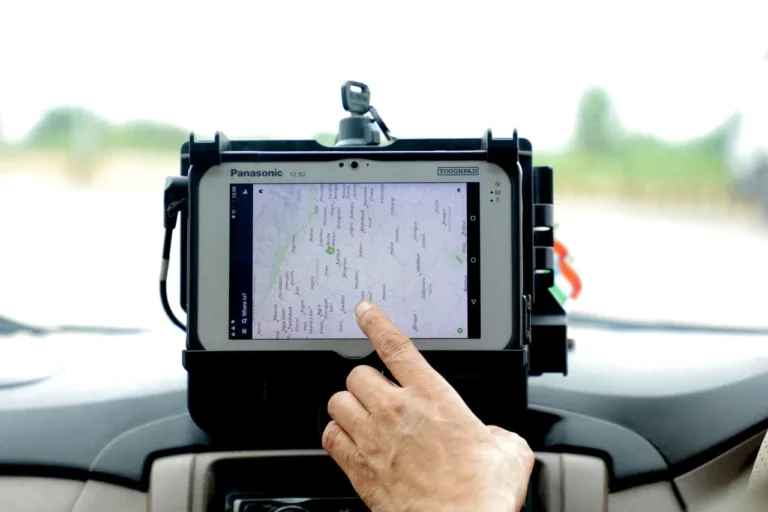
Through the collaboration, Caliber Fleet Solutions will incorporate platform capabilities from Fixico to improve coordination, repair tracking, and data visibility across the repair process.
Fixico, which has established its presence in European automotive markets, is expanding into the United States as part of the partnership.
The company’s digital platform focuses on streamlining communication between repair providers and customers while improving transparency across repair networks.
Digital repair management technologies have gained traction in recent years as fleet operators seek more predictive and data-driven approaches to vehicle maintenance and repair administration.
Rather than relying on manual communication processes or disconnected service systems, these platforms aim to centralize information flow and provide stakeholders with real-time updates on repair progress, scheduling, and performance metrics.
For fleet operators managing hundreds or thousands of vehicles, centralized visibility can help improve operational planning and reduce uncertainty surrounding vehicle availability.
Caliber said integrating Fixico’s platform with its repair network is intended to create a more connected repair experience that aligns repair activity with fleet operational priorities.
The combination of repair infrastructure and digital management tools reflects a broader industry trend toward service ecosystems that merge physical operations with software-enabled oversight.
For Fixico, the collaboration with Caliber represents a significant step in expanding its presence beyond Europe.
Derk Roodhuyzen de Vries, Chief Executive Officer and Co-Founder of Fixico, described the partnership as an important milestone for the company’s U.S. growth ambitions.
According to de Vries, Fixico originally developed its repair management platform in Europe to address long-standing inefficiencies within fragmented repair networks, particularly the lack of transparency and coordination among service providers.
He suggested that similar challenges exist across major automotive markets, making digital repair coordination increasingly relevant to commercial fleet operations globally.
By partnering with Caliber, Fixico gains access to a large-scale repair network capable of supporting technology deployment across a broad customer base.
At the same time, Caliber gains access to digital capabilities designed to support more responsive and transparent fleet repair management.
Industry analysts have increasingly pointed to digitalization as a defining trend within aftermarket automotive services, particularly as connected vehicles generate more operational data and customers demand faster, more transparent service experiences.
The expansion of Caliber Fleet Solutions comes amid broader changes in how organizations manage transportation assets.
Fleet operators today are balancing multiple priorities simultaneously, including vehicle uptime, repair quality, compliance requirements, operating costs, and customer expectations for service reliability.
The rise of e-commerce and on-demand logistics has also intensified pressure on commercial transportation providers to keep vehicles operational and minimize unexpected disruptions.
As a result, repair efficiency is increasingly being viewed through the lens of business continuity rather than maintenance alone.
Companies serving fleet customers are responding by investing in technology-enabled systems capable of simplifying traditionally complex repair workflows.
Centralized scheduling, integrated diagnostics, real-time reporting, and coordinated vendor networks are becoming increasingly important features in fleet support offerings.
Caliber’s expanded fleet platform appears designed to align with these evolving customer priorities.
Caliber said the expanded Caliber Fleet Solutions offering is now available throughout its national footprint, giving fleet customers access to coordinated repair services across its existing network.
The company also indicated that additional capabilities and enhancements are expected as fleet repair requirements continue to evolve.
While the long-term impact of the initiative remains to be seen, the launch reflects growing recognition within the automotive service industry that commercial fleet repair is becoming more technology-intensive and operationally interconnected.
As vehicles continue to evolve and repair demands grow more sophisticated, providers capable of combining nationwide service infrastructure with digital coordination tools may be better positioned to address the increasingly complex needs of fleet operators.
Source Link:https://www.businesswire.com/