The Car Connectivity Consortium (CCC) is expanding its efforts to advance digital connectivity and secure vehicle access technologies across the two-wheeler and micromobility industries. The global organization, which focuses on developing interoperable connectivity solutions between vehicles and digital devices, is bringing greater attention to motorcycles, scooters, electric bicycles and other lightweight mobility vehicles as demand for connected transportation continues to grow.
Ahead of EICMA 2026, scheduled for November 5–8 in Milan, Italy, CCC announced the progress of its work through the Light Motor & Mobility Task Group (LMTG). The initiative brings together member companies to examine the specific digital access requirements of two-wheelers and micromobility vehicles while identifying opportunities to develop common standards and improve interoperability.
As connected technologies become increasingly important in modern transportation, digital access is emerging as an important part of the mobility experience. Consumers are becoming accustomed to using smartphones and wearable devices for everyday activities, including payments, identity verification and accessing digital services. These expectations are gradually extending into the automotive and mobility sectors, creating opportunities for more convenient and secure vehicle access systems.
Through its LMTG initiative, CCC aims to explore how digital key technologies can be adapted to the different requirements of motorcycles, scooters, e-bikes and other two- and three-wheeled vehicles.
The global two-wheeler and micromobility industries are undergoing significant technological changes. Manufacturers are increasingly incorporating electronic systems, connected services and digital features into vehicles to improve convenience, security and the overall ownership experience.
Electric bicycles, electric scooters and connected motorcycles are becoming important components of modern urban transportation. These vehicles offer alternatives for short-distance travel, commuting and personal mobility. As adoption increases, consumers are also expecting more advanced digital features that simplify vehicle operation and management.
According to McKinsey & Company, the global micromobility market could reach approximately $340 billion by 2030, compared with around $160 billion in 2022. This projected expansion highlights the growing commercial importance of lightweight mobility solutions and the technologies supporting them.
The connected motorcycle market is also expected to experience considerable growth. MarketsandMarkets projects that the global connected motorcycle market will increase from approximately $520 million in 2026 to $3.3 billion by 2033.
These market developments demonstrate the increasing demand for connected vehicle technologies beyond conventional passenger cars. Digital access, mobile connectivity and secure communication between vehicles and personal devices are becoming relevant across a broader range of transportation categories.
For CCC, this represents an opportunity to extend established digital key standardization activities into markets that have different technical requirements and operating conditions.
The Light Motor & Mobility Task Group is central to CCC’s expanding activities in the two-wheeler and micromobility sector.
The task group provides a collaborative platform for CCC member companies to examine how digital access technologies can be implemented across different vehicle categories. Its work considers the specific characteristics of lightweight vehicles, including their physical designs, manufacturing costs, electronic architectures and access requirements.
Unlike passenger cars, motorcycles, scooters and e-bikes have considerably different structural and operational configurations. A digital access solution developed for a conventional automobile may not necessarily be suitable for a smaller vehicle.
For example, motorcycles and scooters may have different locking mechanisms, ignition systems and electronic control arrangements. Electric bicycles may require digital access to batteries, electronic components and other vehicle systems. These differences create challenges when developing technologies that can operate consistently across multiple vehicle platforms.
Through LMTG, CCC members are examining these requirements and discussing opportunities to establish common approaches that can support different manufacturers and technology providers.
The initiative also seeks to encourage participation from motorcycle manufacturers, mobility companies, automotive suppliers, semiconductor businesses and digital security providers.
One of the primary areas of CCC’s work involves exploring how digital key technology could support vehicle access and operation in the two-wheeler market.
Digital keys allow authorized users to interact with vehicles through compatible mobile devices and other digital platforms. Instead of depending entirely on traditional physical keys, users can potentially access supported vehicle functions through secure digital credentials.
CCC member companies participating in LMTG are examining several possible applications.
Vehicle access and starting represent important applications for digital key technology.
For motorcycles and scooters, digital keys could allow authorized users to unlock vehicles and initiate starting functions through compatible smartphones or other supported devices.
Such systems could reduce reliance on conventional keys while offering additional convenience to vehicle owners.
The technology could also provide manufacturers with opportunities to integrate access functions into their existing connected vehicle platforms.
However, implementation will depend on vehicle architecture, security requirements and compatibility between devices and vehicle systems.
Another area under consideration is extending digital access beyond traditional vehicle entry.
Two-wheelers and micromobility vehicles contain several components that may benefit from controlled digital access. These could include batteries, storage compartments and other electronically managed vehicle systems.
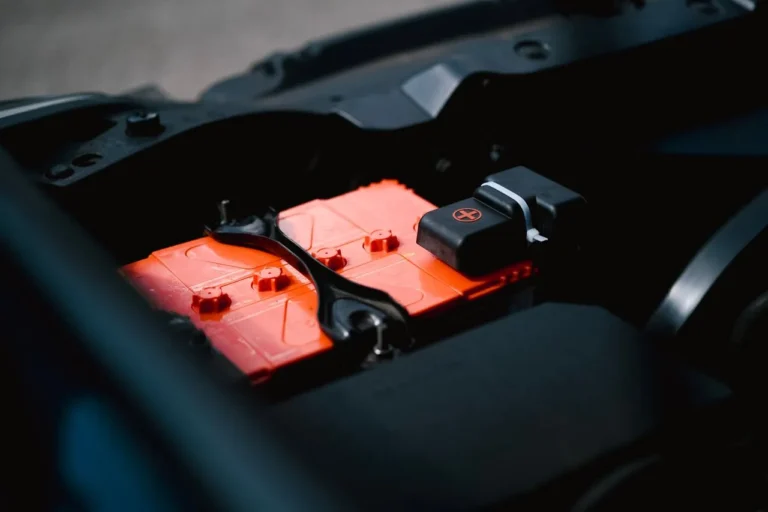
For electric bicycles and scooters, battery access is particularly relevant because battery security and management are important considerations for owners and operators.
Digital access technologies could potentially support more controlled authorization processes for specific vehicle components.
The LMTG discussions are examining how these applications could be incorporated into broader digital access frameworks.
Digital key sharing is another important application being explored by CCC member companies.
Vehicle owners may need to provide temporary or permanent access to other authorized users. Traditional physical keys can make this process inconvenient, particularly when vehicles are shared between family members, employees or multiple users.
Digital key sharing could provide an alternative by allowing owners to distribute access credentials through supported digital platforms.
For example, an owner could potentially authorize another person to access a motorcycle or scooter without physically handing over a key.
Such capabilities may also have applications in shared mobility services, rental operations and commercial vehicle fleets.
Security and authorization management will remain essential considerations when implementing these systems.
CCC is also examining how digital key technologies can serve a broad range of vehicles and consumer segments.
The two-wheeler market includes everything from affordable scooters and electric bicycles to premium motorcycles with advanced electronic systems.
A standardized digital access framework could help manufacturers and technology providers develop compatible solutions for different vehicle categories.
CCC members are exploring the use of various technologies to support digital key features across a wide range of vehicles and devices, from mass-market products to premium models.
This approach could help expand the availability of connected access technologies while addressing differences in cost, hardware and vehicle design.
Interoperability is a central part of the Car Connectivity Consortium’s mission.
As connected vehicle technologies become more widespread, manufacturers and technology companies need systems that can communicate securely and consistently across different devices and platforms.
Without common standards, digital access solutions may become fragmented. A technology developed for one manufacturer’s vehicles may not work with devices or systems from another manufacturer.
This can create difficulties for consumers, manufacturers and technology providers.
Standardization can help address these challenges by establishing common technical requirements and supporting compatibility across participating products.
For the two-wheeler industry, interoperability could become increasingly important as manufacturers introduce connected motorcycles, electric scooters and other digitally enabled mobility products.
CCC’s LMTG initiative is intended to examine these opportunities and identify areas where industry-wide collaboration can support future development.
The task group’s discussions also reflect the importance of considering security when expanding digital vehicle access. Digital keys must provide reliable authorization and protect against unauthorized access, credential misuse and potential security vulnerabilities.
Developing common approaches to these requirements could support greater confidence among manufacturers and consumers.
The Car Connectivity Consortium brings together more than 300 member companies representing different parts of the automotive and technology industries.
Its membership includes vehicle manufacturers, smartphone and device manufacturers, automotive suppliers, semiconductor companies and security technology providers.
This broad industry participation allows CCC to bring together organizations with expertise in vehicle engineering, wireless communication, digital security and consumer electronics.
Through collaboration, members can examine technical challenges and work toward solutions that support a wider range of connected vehicle applications.
The expansion into two-wheelers and micromobility represents an extension of this collaborative approach.
While digital key technologies have gained attention in the passenger vehicle sector, smaller mobility vehicles present additional opportunities for standardization.
Motorcycle manufacturers and micromobility companies can contribute valuable knowledge about vehicle architecture, customer requirements and practical implementation challenges.
By encouraging these organizations to participate in LMTG, CCC aims to strengthen industry cooperation and develop a better understanding of the requirements for connected two-wheeler technologies.
CCC senior team members will attend EICMA 2026, taking place from November 5 to November 8 in Milan, Italy.
The event provides an opportunity for the organization to connect with motorcycle manufacturers, technology companies and other participants across the global two-wheeler ecosystem.
EICMA is an important international exhibition for the motorcycle and two-wheeler industry, bringing together manufacturers, suppliers, technology providers and industry professionals.
CCC plans to use the event to discuss the ongoing activities of its Light Motor & Mobility Task Group and explain opportunities for additional companies to participate.
Direct engagement with manufacturers and technology providers will help the organization understand industry requirements and identify potential areas for collaboration.
Companies interested in digital vehicle access, connectivity and interoperability will have an opportunity to learn more about CCC’s activities and discuss how their organizations could contribute to the initiative.
Interested manufacturers and technology companies can find additional information through the official CCC EICMA 2026 event page.
The expansion of digital access technologies into motorcycles, scooters and micromobility vehicles reflects a broader transformation across the transportation industry.
As vehicles become increasingly connected, the relationship between personal devices and transportation systems is expected to evolve. Smartphones and other compatible devices could play a larger role in vehicle access, authorization and connected services.
For two-wheeler manufacturers, these developments create opportunities to introduce additional digital features and improve the ownership experience.
For technology providers, the market presents opportunities to develop secure communication systems, digital credentials, connected hardware and supporting software platforms.
However, achieving widespread adoption will require cooperation across the industry. Different vehicle designs, technical requirements and price categories make interoperability an important consideration.
CCC’s Light Motor & Mobility Task Group is working to address these challenges by bringing relevant companies together and examining potential applications for digital key technology.
The Car Connectivity Consortium’s expanding focus on two-wheelers and micromobility highlights the growing importance of digital connectivity beyond traditional passenger vehicles.
Through its Light Motor & Mobility Task Group, CCC is exploring digital vehicle access, starting functions, component access and secure digital key sharing for motorcycles, scooters, e-bikes and other lightweight mobility vehicles.
Its participation at EICMA 2026 will provide an opportunity to engage with manufacturers and technology companies while encouraging broader industry involvement.
As the connected motorcycle and micromobility markets continue to develop, standardization and interoperability could play an important role in supporting secure, convenient and compatible digital access solutions across the global mobility ecosystem.
Source Link:https://www.businesswire.com/