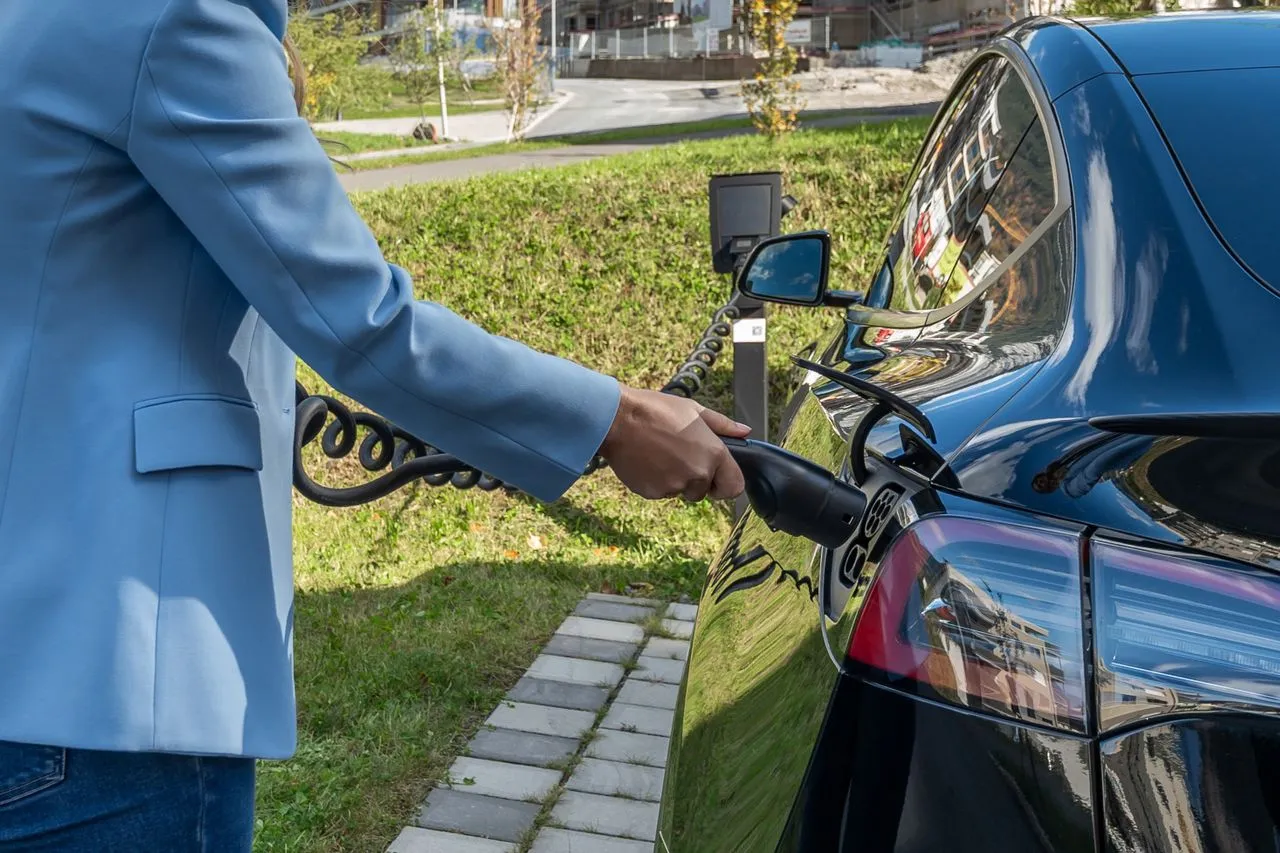
General Motors (GM) is accelerating its efforts to make electric vehicles (EVs) more valuable to customers by expanding their role in the energy ecosystem. Beyond providing transportation, the company wants EVs to help homeowners manage electricity consumption, improve energy resilience and potentially supply power back to the electrical grid. Through its growing focus on vehicle-to-grid (V2G) technology, GM is working to create additional financial and practical benefits for EV owners while supporting a more flexible and reliable energy infrastructure.
As electricity demand continues to increase and power grids face growing pressure, technologies that connect electric vehicles, homes and utilities are becoming increasingly important. GM believes that EV batteries can play a meaningful role in addressing some of these challenges. By allowing vehicles to store electricity and share it when needed, the company aims to create a more integrated relationship between transportation and energy.
The development of V2G technology is part of GM’s broader strategy to make electric mobility more attractive. The company is exploring solutions that could help customers reduce energy costs, participate in utility incentive programs and use their vehicles as backup power sources during certain electricity disruptions.
However, achieving these goals requires cooperation across several industries. Automakers, charging equipment manufacturers, home energy providers and electric utilities must work together to establish compatible technologies, technical standards and customer programs.
GM is now advancing this approach through new industry collaborations, product development and customer pilot programs.
One of the major challenges associated with bidirectional EV charging is the difference between the electricity systems used by vehicles and residential properties.
Electric vehicle batteries store energy as direct current (DC), while most homes and electrical grids operate using alternating current (AC). Because of this difference, energy must be converted before it can be used by household appliances or supplied to the electricity grid.
GM’s existing bidirectional charging solutions, including the GM Energy Home System, use DC-based technology. These systems incorporate a wall-mounted inverter that converts electricity from the vehicle’s battery into AC power, allowing homeowners to use stored energy during an outage or when electricity from the grid is more expensive.
Although this technology provides important capabilities, installing a bidirectional energy system can involve additional equipment, installation requirements and costs. These factors can influence whether customers decide to adopt home energy solutions.
To address these challenges, GM is exploring AC-based technology that could simplify the equipment required for future bidirectional charging systems.
The development of AC-based solutions could potentially reduce installation complexity and make home energy products more accessible to a wider range of EV owners. However, making these systems commercially practical will require further engineering, testing and coordination with utilities and charging infrastructure providers.
GM intends to use feedback from customers, installers and its experience with first-generation products to guide the development of future energy technologies.
The company recognizes that product affordability and ease of installation will be important factors in expanding adoption. Customers need solutions that are reliable, straightforward to operate and compatible with their existing home electrical systems.
Industry-wide collaboration is another important part of GM’s strategy.
The company is joining CharIN’s North America AC Vehicle-to-Grid Task Force, an initiative intended to support the development of common technical standards for AC-based bidirectional charging.
CharIN is an international organization focused on advancing charging standards and interoperability for electric vehicles. Its work brings together automotive manufacturers, charging equipment companies, energy providers and other industry participants.
The North American AC Vehicle-to-Grid Task Force will focus on aligning technical standards, certification processes and utility interconnection requirements.
These areas are essential because vehicle-to-grid technology must operate reliably across different vehicles, charging systems and electricity networks. Without common standards, customers could face compatibility problems when connecting their vehicles to home energy equipment or participating in utility programs.
Standardization could also help manufacturers develop products that work across a broader range of applications rather than requiring separate technical solutions for individual vehicles or energy providers.
For utilities, consistent technical requirements can make it easier to evaluate, approve and manage bidirectional energy systems connected to their networks.
GM’s participation reflects its belief that the future of vehicle-to-grid technology will depend on cooperation throughout the automotive and energy industries.
By working with other stakeholders, the company hopes to help establish the technical foundation needed to bring more affordable and accessible bidirectional charging products to the North American market.
Alongside its technology development efforts, GM is beginning to explore how V2G systems perform in real-world customer environments.
GM Energy and WeaveGrid are launching a new program involving selected customers within Southern California Edison’s (SCE) electricity service area.
The initiative will allow participating GM drivers in California to become the first customers in the state to send electricity stored in their EV batteries through their homes and back to the electrical grid.
This program represents an important step toward demonstrating how bidirectional energy technology can operate as part of an integrated residential energy system.
Rather than focusing exclusively on whether electricity can move from a vehicle to the grid, the pilot will examine the complete customer experience. This includes enrollment, equipment installation, utility approvals, energy management and participation in grid-support events.
These activities will provide valuable information about the practical requirements involved in expanding V2G technology.
For customers, the program could demonstrate how an electric vehicle can serve as more than a transportation asset. Depending on eligibility and program participation, an EV could also become part of a household energy management system.
For utilities, the initiative offers an opportunity to understand how vehicle batteries can contribute to electricity supply during periods of high demand.
The California Energy Commission is supporting opportunities for eligible Southern California Edison customers to participate in energy programs that encourage the use of flexible electricity resources.
Through the program, eligible SCE customers participating in the utility’s Emergency Load Reduction Program (ELRP) may qualify for financial support toward installing a GM Energy Vehicle-to-Home (V2H) system.
According to the announced program details, eligible participants may receive:
These incentives are intended to reduce the upfront financial barriers associated with adopting bidirectional energy technology.
Home energy systems can require specialized equipment, electrical upgrades and professional installation. By providing financial assistance, the program could make participation more practical for eligible households.
However, actual savings and payments will depend on several factors, including customer eligibility, electricity usage, applicable rate plans, participation levels and the specific terms of the program.
The initiative also highlights the importance of utility partnerships in bringing advanced energy technologies to residential customers.
Even when an EV has the technical ability to supply electricity, customers need a suitable home energy system and utility authorization before power can be transferred to the grid.
The California pilot will help GM and its partners understand how these different requirements work together in an operational environment.
Vehicle-to-home (V2H) and vehicle-to-grid (V2G) technologies are closely related, but they serve different purposes.
V2H technology allows electricity stored in an EV battery to supply power to a residential property. This can help homeowners maintain access to selected household electrical systems during power interruptions or manage electricity consumption according to their energy needs.
V2G technology extends this capability by allowing electricity to flow from an EV battery through compatible equipment and into the wider electricity grid, subject to utility approval and program requirements.
This means an EV could potentially support the electricity network during periods of high demand.
For example, when electricity consumption increases significantly, utilities may need additional resources to balance supply and demand. Connected EVs with bidirectional charging capabilities could potentially provide some of the stored electricity required during these periods.
The ability to coordinate thousands of electric vehicles could create a distributed energy resource that complements traditional electricity generation and storage systems.
Nevertheless, successful V2G deployment requires sophisticated energy management software, compatible charging hardware, communication systems and utility coordination.
GM’s collaboration with WeaveGrid is intended to help address some of these practical requirements.
While V2G technology continues to develop, GM is also expanding programs that allow customers to benefit from their parked electric vehicles through managed charging.
Managed charging is different from bidirectional charging because it does not send electricity from the vehicle back to the grid.
Instead, managed charging adjusts when an EV receives electricity.
For example, charging can be scheduled during periods when electricity demand is lower or when renewable energy availability is higher. This can help utilities manage their electricity networks more efficiently while giving customers opportunities to reduce charging expenses.
GM Energy is working with electric utilities across the United States to expand these programs.
According to the company, managed charging opportunities are currently available through 13 utilities. Eligible GM EV customers may receive financial benefits through bill credits or other incentives depending on the participating utility’s program.
The availability of these benefits varies by location, electricity provider and customer eligibility.
Customers may need to meet specific requirements, enroll in participating programs and follow applicable charging schedules to receive incentives.
For utilities, managed charging can help reduce pressure on electricity networks by encouraging customers to charge vehicles at more suitable times.
This becomes increasingly important as EV adoption grows and electricity demand from residential charging increases.
By coordinating charging schedules, utilities can potentially reduce the need for additional electricity capacity during peak-demand periods.
Managed charging also provides an opportunity for automakers and utilities to develop customer relationships around energy services rather than focusing exclusively on vehicle sales.
Although managed charging and V2G are different technologies, both support GM’s broader objective of connecting electric vehicles with the energy system.
Managed charging focuses on controlling when a vehicle draws electricity from the grid. V2G allows electricity to flow in the opposite direction, enabling a vehicle to supply stored energy back to the grid when authorized.
Together, these technologies could provide utilities with greater flexibility in managing electricity demand and supply.
Managed charging can help prevent unnecessary pressure on the grid by shifting EV charging to more suitable periods. V2G could eventually provide additional support by allowing participating vehicles to deliver electricity during periods when it is needed.
For EV owners, these capabilities could create new opportunities to manage household energy expenses and receive incentives for participating in energy programs.
However, customer participation will depend on factors such as vehicle compatibility, battery availability, charging requirements, electricity rates and program rules.
GM’s approach is therefore focused on developing both immediate and longer-term opportunities.
Managed charging programs offer benefits that customers can access today, while V2G technology represents a more advanced opportunity that requires further development and industry coordination.
GM’s latest initiatives demonstrate how the automotive industry is increasingly connected to developments in electricity generation, distribution and residential energy management.
As more electric vehicles enter the market, their combined battery capacity could become an important resource for supporting electricity networks.
However, realizing this potential will require more than developing vehicles with larger batteries. Affordable charging equipment, standardized technology, reliable software and supportive utility programs will all play important roles.
GM’s work with Southern California Edison, WeaveGrid and CharIN reflects an effort to address these requirements through technology development and industry partnerships.
The California customer program will provide practical insights into how bidirectional energy systems can be installed, approved and operated in residential settings. At the same time, the company’s participation in AC V2G standardization efforts could help establish a more consistent technical framework for future products.
Its existing managed charging partnerships also demonstrate how utilities and automakers can begin delivering energy-related benefits before widespread V2G adoption becomes possible.
Ultimately, GM wants to make electric vehicles valuable even when they are parked. By connecting vehicle batteries with homes and electricity networks, the company is working toward an energy ecosystem in which EVs can support transportation, household resilience and grid flexibility.
While significant technical and regulatory work remains, these developments represent meaningful progress toward a future where electric vehicles are not simply consumers of electricity but can also become active participants in the energy system.
Source Link:https://news.gm.com/