General Motors has announced the launch of its “Stars, Stripes and Skilled Trades” initiative, a new workforce development effort designed to help transitioning service members, veterans and military families build careers in automotive manufacturing and skilled trades. Through the program, GM is seeking proposals from mission-driven nonprofit organizations across the United States that are working to connect military communities with high-quality employment opportunities.
The initiative comes as employers across the manufacturing and automotive industries continue to face growing demand for skilled workers. At the same time, many service members and veterans leaving active duty encounter challenges when translating their military experience and technical skills into civilian employment. GM’s new program aims to address both challenges by creating stronger connections between military talent and high-demand careers.
Under the initiative, GM expects to support up to 12 established nonprofit workforce development programs throughout the country. Organizations selected through the company’s Request for Proposal process will receive grants ranging from $100,000 to $500,000. The funding is intended to help nonprofits expand existing programs, improve workforce training and strengthen pathways that lead participants toward sustainable careers.
The program places particular emphasis on organizations that can demonstrate measurable employment outcomes and strong connections to industry. GM is prioritizing workforce programs that provide clear job-placement pathways, industry-recognized credentials, established relationships with employers and a strong connection to communities where GM facilities operate.
The launch of “Stars, Stripes and Skilled Trades” reflects GM’s broader strategy of strengthening workforce development while supporting communities across the United States. Military veterans often leave active service with experience in areas such as mechanics, electrical systems, logistics, engineering, equipment maintenance and technical operations. Those capabilities can translate into valuable skills for manufacturing and automotive employers.
However, the transition from military service to civilian employment can require additional training, certifications and connections to prospective employers. GM’s initiative is intended to help nonprofit organizations close those gaps and make it easier for veterans and military families to identify and pursue career opportunities.
General Motors Vice President of Infrastructure and Corporate Citizenship David Massaron said creating pathways to quality employment is important not only for individuals and families but also for communities and the wider U.S. economy.
According to Massaron, transitioning service members, veterans and military spouses can face uncertainty when searching for employment after military service, even as industries such as automotive manufacturing experience shortages of skilled labor. The initiative seeks to bring these two needs together by helping military talent enter occupations where demand for qualified workers is strong.
The effort also builds on GM’s longstanding support for members of the military community. By expanding access to training and employment opportunities, the automaker expects to strengthen the pipeline of skilled workers available to the U.S. manufacturing sector.
A central component of the “Stars, Stripes and Skilled Trades” initiative is its competitive grant program. GM plans to select as many as 12 nonprofit organizations with established workforce development programs capable of demonstrating meaningful outcomes.
Individual grants will range from $100,000 to $500,000, giving selected organizations resources to increase their capacity and improve the services they provide to veterans, transitioning service members and their families.
GM’s focus on proven programs means organizations will need to demonstrate more than simply an interest in supporting military communities. The company is looking for programs with practical employment pathways and evidence that participants can successfully move from training into careers.
Job placement is therefore expected to be a major consideration. Programs that can demonstrate strong relationships with employers and a history of helping participants secure employment will be well positioned to contribute to the initiative’s goals.
Industry-recognized credentials are another important priority. Certifications can help veterans translate technical experience gained during military service into qualifications recognized by civilian employers. Workforce programs that combine technical education with recognized credentials can help participants compete for manufacturing and skilled-trades positions.
Strong employer partnerships are also important because they can provide participants with direct connections to hiring opportunities. By bringing training providers and employers closer together, GM hopes to create workforce programs that are closely aligned with the actual needs of the manufacturing industry.
The initiative also places importance on organizations serving communities where GM has facilities. This geographic focus could allow workforce programs to build stronger relationships with local employers and address specific labor-market needs.
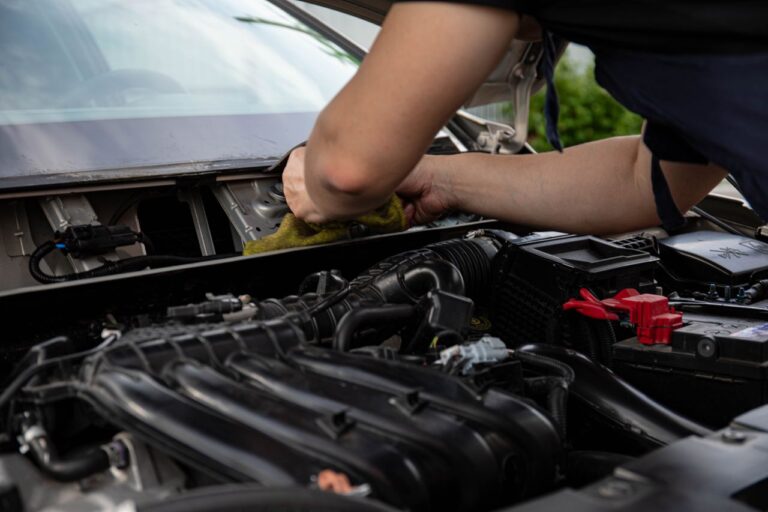
Manufacturing facilities depend on a wide range of technical and skilled-trades occupations. These can include maintenance technicians, electricians, machine operators, industrial technicians and other specialized roles. Developing a reliable pipeline of workers for these positions can benefit both companies and communities.
For GM, supporting workforce development in facility communities can also contribute to long-term economic development. Programs that prepare local residents and military-connected individuals for skilled careers can help strengthen regional labor markets while expanding access to stable employment.
The initiative therefore represents more than a traditional charitable grant program. It is also part of a broader workforce strategy focused on connecting individuals with the skills employers need while helping communities develop stronger economic foundations.
GM already has a significant veteran workforce. The company employs more than 5,000 veterans in a broad range of positions, demonstrating the role military experience can play in an automotive organization.
Veterans can bring technical knowledge, leadership experience, problem-solving capabilities, discipline and operational expertise to manufacturing environments. Many military occupations also involve equipment maintenance, electronics, engineering, logistics and other skills that have potential applications in automotive manufacturing.
Through “Stars, Stripes and Skilled Trades,” GM aims to expand these opportunities beyond its existing workforce by helping more members of the military community access automotive careers.
The program also recognizes that military spouses and families can experience employment challenges associated with military life. Frequent relocations and changes in duty stations can make it difficult for spouses to maintain consistent careers. Workforce initiatives that provide flexible training and strong employer connections could help address some of these challenges.
The new initiative builds on other workforce development efforts already supported by GM. One example is Shifting Gears, an automotive technician training program designed to help service members transition from active duty into civilian automotive careers.
The program has provided automotive training and job-placement opportunities to more than 1,000 service members leaving active military service. Its experience demonstrates how specialized workforce programs can help military personnel apply their technical backgrounds to civilian occupations.
Automotive technician careers can provide an especially relevant transition for individuals with military mechanical or technical experience. Vehicles, machinery and complex equipment are central to many military operations, giving service members exposure to technical systems and maintenance processes that can be valuable in civilian automotive environments.
By building on programs such as Shifting Gears, GM can expand the number of pathways available to veterans while supporting the broader automotive workforce.
The timing of the initiative also reflects broader workforce challenges facing American manufacturing. Advanced manufacturing increasingly requires employees with specialized technical knowledge. As production systems become more sophisticated, companies need workers who understand electrical systems, automation, machinery, diagnostics, robotics and other technologies.
Attracting new workers into skilled trades has consequently become an important priority for manufacturers.
Veterans represent a potentially valuable source of talent because many service members receive technical training and practical experience during their military careers. However, employers and workforce organizations must create effective mechanisms for recognizing and translating those skills into civilian qualifications.
Programs supported through “Stars, Stripes and Skilled Trades” can help bridge that gap by providing additional education, certifications, career counseling and employer connections.
The result could be a mutually beneficial workforce model in which veterans gain access to stable careers while manufacturers gain access to qualified candidates.
The new veterans initiative is part of a larger expansion of GM’s workforce and education investments. In 2026, the company committed $50 million toward STEAM education initiatives and increased its workforce development grantmaking to $15 million, tripling its previous level of support.
STEAM education—covering science, technology, engineering, arts and mathematics—can help prepare students and workers for an economy increasingly shaped by advanced technology and manufacturing.
Combined with workforce development programs, these investments are intended to create longer-term talent pipelines. GM’s approach extends from education and technical training to career placement, allowing different programs to address workforce needs at multiple stages.
The “Stars, Stripes and Skilled Trades” initiative adds another important element by specifically focusing on the transition from military service to civilian employment.
The automotive industry is undergoing significant technological and structural changes, increasing demand for workers with specialized skills. Electrification, advanced manufacturing technologies, software, automation and increasingly sophisticated vehicle systems are changing the types of expertise required across the industry.
At the same time, manufacturers must continue recruiting workers for traditional skilled-trades positions that remain essential to production and facility operations.
GM’s new initiative seeks to address this workforce challenge while creating opportunities for a group with substantial technical and professional experience. Veterans and transitioning service members can bring valuable skills to manufacturing, but successful transitions often require targeted support.
By funding nonprofit organizations that already understand the needs of military communities, GM can potentially reach more individuals while supporting programs with established workforce-development expertise.
The grants may also allow participating organizations to expand their training capacity, improve career services, strengthen employer relationships and increase job-placement opportunities.
“Stars, Stripes and Skilled Trades” represents another step in GM’s effort to connect education, workforce development and economic opportunity. Rather than focusing solely on short-term employment assistance, the initiative emphasizes credentials, employer partnerships and sustainable career pathways.
For veterans and transitioning service members, that approach can provide a clearer route from military experience to civilian employment. For employers, it can help create a more reliable pipeline of skilled workers.
With up to 12 nonprofit organizations expected to receive grants, the program could support workforce initiatives in multiple regions across the country. The emphasis on communities surrounding GM facilities may also help ensure that training programs are closely connected to real employment opportunities.
As American manufacturing continues to evolve, workforce development will remain a critical factor in the industry’s competitiveness. GM’s investment in veterans, military families and skilled trades demonstrates how companies can combine community investment with strategies designed to address labor shortages.
Through “Stars, Stripes and Skilled Trades,” GM is seeking to expand access to high-demand automotive careers while strengthening the skilled workforce needed for the future of American manufacturing. Together with its existing veteran employment, Shifting Gears training, STEAM education and workforce grant programs, the initiative adds to GM’s broader investment in developing talent and creating pathways to quality jobs across the United States.
Source Link:https://news.gm.com/