New industry analysis points to moderating premium hikes, improved underwriting performance, and stronger pricing strategies as insurers begin transitioning from years of steep corrective increases
After several years marked by sharp premium increases and underwriting volatility, the U.S. personal insurance market is beginning to show signs of normalization. New findings from industry analysts indicate that annual rate increases for private passenger automobile and homeowners insurance policies are retreating toward historical norms in 2025, signaling a potential turning point for insurers and policyholders alike.
The shift follows an extended period of disruption that forced insurers to aggressively adjust premiums in response to rising claim costs, inflationary pressures, severe weather events, vehicle repair expenses, and elevated loss trends. While insurance prices continue to rise in many regions, the pace of those increases has slowed considerably, reflecting improving financial performance across key personal insurance segments.
The trend is particularly notable in homeowners insurance, where insurers have struggled in recent years to manage escalating catastrophe-related losses. Auto insurers, meanwhile, have faced mounting challenges linked to higher accident severity, increasing replacement costs, supply chain disruptions, and inflation-driven repair expenses.
According to a newly released report from AM Best examining state-level insurance rate filings, both sectors are now experiencing measurable improvement, supported by stronger underwriting discipline and a sustained push toward premium adequacy.
One of the clearest indicators of stabilization emerged in the homeowners insurance market, where approved rate increases declined meaningfully in 2025.
The average approved increase for homeowners policies dropped to 8.3% in 2025, representing a reduction of more than five percentage points compared with the previous year. Although policyholders in many states continue to encounter higher premiums, the moderation marks a notable departure from the aggressive pricing actions insurers pursued during the post-pandemic period.
For much of the past several years, homeowners insurers were forced to raise rates aggressively due to worsening claims environments. Catastrophic weather events—including hurricanes, wildfires, hailstorms, and flooding—placed enormous pressure on underwriting profitability. At the same time, inflation pushed construction and rebuilding costs sharply higher, making claims more expensive to settle.
Roof replacements, labor shortages, rising material prices, and supply chain disruptions further increased insurers’ financial exposure. In many states, insurers responded by filing for substantial premium increases to regain profitability and improve reserve strength.
Industry analysts now suggest those pricing actions are beginning to deliver results.
A key measure of insurance profitability—the industry loss ratio—has improved substantially in recent years. Total homeowners industry loss ratios in the United States fell significantly, moving from elevated levels in prior years toward healthier territory by 2025.
The report highlighted a major improvement in homeowners underwriting performance, with the industry’s loss ratio declining by more than nine percentage points over the period examined. That improvement suggests insurers are achieving greater alignment between premium collection and risk exposure.
David Blades, associate director at AM Best, said improved results stem from both stronger pricing discipline and increasingly sophisticated approaches to risk management in markets that had historically delivered poor underwriting performance.
Rather than relying solely on broad-based premium increases, insurers are also refining how risk is evaluated. Advanced modeling, geospatial analytics, catastrophe forecasting tools, and property-specific underwriting have enabled carriers to price policies more accurately.
This evolution has become particularly important in catastrophe-prone regions where insurers must carefully assess localized risks instead of applying generalized assumptions across broader markets.
The private passenger auto insurance market has experienced a similar, though somewhat uneven, recovery.
Average approved rate increases for private passenger auto insurance fell sharply in 2025 to 3.7%, down significantly from 9.7% recorded a year earlier.
That decline represents an important shift for consumers who have faced steep premium hikes since the pandemic period.
Auto insurance carriers spent much of the last several years grappling with severe profitability challenges. While vehicle usage initially dropped during COVID-19 lockdowns—temporarily reducing claims—traffic activity rebounded quickly, bringing with it a surge in accidents and claim severity.
However, post-pandemic driving patterns also changed. Insurers reported more dangerous driving behaviors, including speeding, distracted driving, and impaired driving incidents, contributing to larger claims.
At the same time, the cost of repairing modern vehicles climbed dramatically.
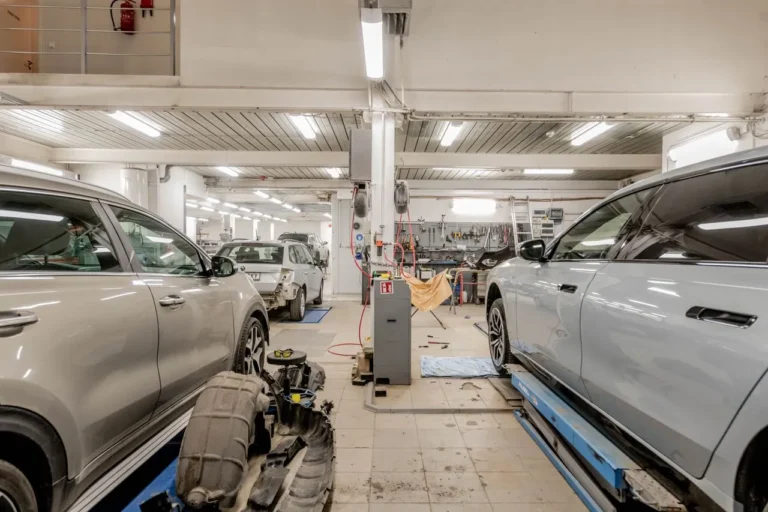
Advanced driver-assistance systems (ADAS), embedded sensors, cameras, radar technologies, and electronic components have made even minor collisions significantly more expensive to repair. A bumper replacement that once required relatively inexpensive labor may now involve recalibrating sophisticated safety technologies.
Additionally, rising medical costs have contributed to higher bodily injury claims, placing further financial strain on insurers.
Against this backdrop, many insurance companies implemented substantial rate increases during 2023 and 2024 to restore profitability.
Those efforts now appear to be paying off.
According to AM Best’s analysis, private passenger auto insurers generated an underwriting profit in 2024 for the first time since 2020. Industry observers view that milestone as a meaningful signal that insurers are regaining financial footing after several years of underwriting losses.
Still, recovery across the country remains uneven.
Despite broad national improvements, insurance conditions vary significantly by state.
The report noted that some states continue to experience unusually high auto insurance rates in 2025, even as national averages move lower.
States including California, Nevada, New Jersey, and New York remain outliers, posting disproportionately elevated rate activity compared with broader national trends.
Several factors may explain these regional disparities.
Regulatory environments differ widely between states, influencing how quickly insurers can seek and implement premium changes. Some states maintain more restrictive approval processes, delaying insurers’ ability to align pricing with evolving risks.
When rate approvals lag behind loss trends, insurers may later seek larger corrective increases to recover deteriorating profitability.
Urban density, legal environments, repair costs, weather-related exposures, and accident frequency also contribute to pricing differences across jurisdictions.
For example, densely populated states often experience greater traffic congestion, elevated accident rates, and higher litigation costs, all of which influence insurance pricing.
California presents a particularly unique case due to regulatory frameworks governing insurer rate approvals. Some insurers in the state have faced challenges balancing premium adequacy with regulatory limitations, leading to heightened pricing pressures.
Meanwhile, AM Best analysts observed that many states reporting smaller average rate changes between 2024 and 2025 had previously recorded aggregate loss ratios exceeding the national average.
This dynamic suggests insurers may have delayed or moderated pricing adjustments despite weaker underwriting performance.
However, analysts believe improving underwriting outcomes in these jurisdictions could influence future rate filings positively.
Dylan Catania, associate analyst at AM Best, noted that insurers experiencing better results in 2025 may begin reflecting those gains in upcoming pricing decisions.
If profitability trends remain favorable, consumers in some markets could eventually see slower premium growth—or potentially more competitive pricing behavior.
Insurance pricing changes are rarely immediate or uniform, and filed rate increases do not always translate directly into policyholder costs.
The report emphasized that state approval systems play a major role in shaping how and when consumers feel the impact of pricing adjustments.
Insurance regulation in the United States operates largely at the state level, meaning approval timelines and implementation requirements vary considerably across jurisdictions.
Some states allow insurers greater flexibility to adjust premiums quickly, while others require extensive regulatory review before rate changes can take effect.
In certain markets, approved increases may be phased in gradually rather than applied all at once.
As a result, the real-world effect of rate filings can differ substantially depending on location and regulatory structure.
Industry analysts caution that even though average rate increases are moderating nationally, individual consumers may still encounter noticeable premium changes based on geographic risk, claim history, home values, vehicle type, and insurer-specific underwriting strategies.
For homeowners, climate-related risks continue to exert pressure in vulnerable regions. Areas exposed to hurricanes, wildfire threats, or severe storms may still experience elevated insurance costs despite broader stabilization.
Auto insurance customers may likewise face variability based on driving records, vehicle technology, theft rates, and regional accident trends.
The broader significance of the report lies in what it may signal for the future of personal insurance markets.
Between 2022 and 2024, insurers entered a period of corrective pricing as loss costs accelerated faster than premiums. That imbalance led many companies to aggressively raise rates, tighten underwriting standards, and reassess exposure in higher-risk markets.
Now, with underwriting metrics improving and loss ratios stabilizing, the industry appears to be moving away from emergency pricing measures toward a more sustainable operating environment.
AM Best’s analysis found a growing relationship between improved underwriting performance and reduced rate filing intensity. In other words, as insurers regain profitability and better control claims costs, the need for large premium increases diminishes.
This trend may indicate stronger near-term financial performance for insurers while also reducing pricing volatility for consumers.
Still, industry experts caution that normalization does not necessarily mean a return to lower insurance premiums.
Inflation remains a factor, climate risks continue to evolve, and vehicle repair complexity shows little sign of reversing. Insurers are likely to remain cautious, prioritizing pricing precision and profitability after years of volatility.
Source Link:https://www.businesswire.com/