The U.S. Air Force has taken a major step toward modernizing its global vehicle sustainment operations by deploying Salesforce’s Missionforce National Security platform to manage one of the largest military vehicle fleets in the world. The initiative marks a significant transformation for the Air Force’s logistics infrastructure, replacing an aging legacy fleet management system with a secure, cloud-based platform designed to improve operational efficiency, enhance mission readiness, and prepare the organization for future artificial intelligence capabilities.
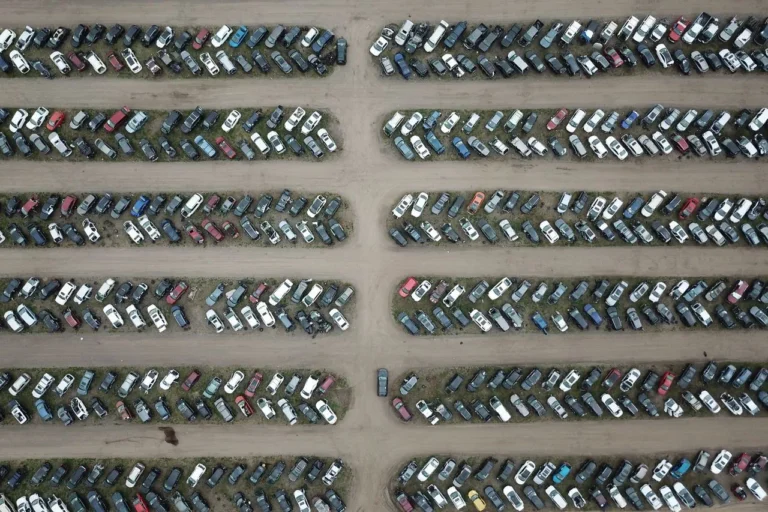
The deployment is being led by the U.S. Air Force’s 441st Vehicle Support Chain Operations Squadron (VSCOS), the organization responsible for overseeing more than 84,000 vehicles valued at approximately $13.5 billion. These vehicles are distributed across nearly 389 locations worldwide and support thousands of Air Force personnel engaged in missions ranging from routine base operations to contingency deployments and emergency response.
By implementing Missionforce National Security on Salesforce Government Cloud Plus Defense, the Air Force is creating a centralized digital environment that provides real-time visibility into vehicle assets, maintenance operations, budgeting, logistics, and mission planning while maintaining the stringent security standards required for defense operations.
The 441st Vehicle Support Chain Operations Squadron plays a vital role in ensuring that Air Force ground vehicles remain available whenever and wherever they are needed. Despite managing an enormous fleet spread across the globe, the squadron consists of only about 85 personnel responsible for supporting more than 7,300 users.
For years, the organization relied on a legacy fleet management platform that was approaching the end of its lifecycle. As the older system became increasingly difficult to maintain, concerns grew over reliability, scalability, and the ability to support future operational requirements.
Frequent system outages and fragmented data created challenges for personnel responsible for monitoring vehicle status, coordinating maintenance, and allocating resources across multiple bases. These limitations highlighted the need for a more modern platform capable of handling enterprise-scale logistics without disrupting critical military operations.
The Air Force required a secure, scalable solution authorized to meet Impact Level 5 (IL5) security standards while supporting continuous operations across its global network. Salesforce’s Missionforce National Security platform was selected to address these requirements.
Missionforce National Security is designed specifically for government and defense organizations operating in highly secure environments.
Running on Salesforce Government Cloud Plus Defense, the platform brings together multiple applications into a unified ecosystem that enables military personnel to manage complex logistics operations through a single interface.
Instead of relying on disconnected systems and manual processes, the Air Force now has a centralized digital backbone that consolidates vehicle information, maintenance records, inventory data, operational requests, and mission planning resources.
This integrated environment enables commanders and logistics personnel to make decisions using accurate, real-time information rather than piecing together data from multiple sources.
According to Kendall Collins, CEO of Missionforce and Government Cloud at Salesforce, the project demonstrates how modern cloud technology can significantly improve military logistics operations.
He noted that the collaboration between the lean VSCOS team and Salesforce has transformed fragmented operational processes into a unified logistics platform that provides improved visibility, reduces service interruptions, and ensures vehicles remain mission-ready whenever required.
The modernization effort is intended not only to improve current operations but also to establish a technology foundation capable of supporting future innovations across the Department of the Air Force.
One of the central components of the deployment is Agentforce Public Sector, which consolidates operational data into a comprehensive 360-degree view of each vehicle.
Previously, vehicle information was often scattered across multiple databases and enterprise systems, making it difficult for personnel to obtain a complete understanding of fleet conditions.
The new system aggregates this information into a unified environment where users can quickly access vehicle histories, maintenance schedules, operational status, lifecycle information, and inventory details.
The platform also incorporates predictive analytics that help identify future vehicle requirements, estimate replacement timelines, and anticipate end-of-life scenarios before they affect mission readiness.
By improving data accessibility and visibility, commanders are better equipped to allocate resources and prioritize maintenance activities across the global fleet.
The Air Force also plans to implement Agentforce Field Service and Operations as part of the ongoing modernization initiative.
Once deployed, these applications will allow maintenance personnel and field technicians to coordinate repairs and work orders in real time.
Rather than relying on delayed communications or manual scheduling processes, technicians will receive up-to-date assignments while managers monitor maintenance progress across installations worldwide.
This capability is expected to reduce repair delays while improving coordination between maintenance teams and operational units.
The deployment includes Salesforce Customer Experience Platforms and CRM Analytics, providing military leaders with visual dashboards and reporting tools that transform operational data into actionable insights.
Executives and commanders can monitor fleet performance, identify operational trends, and analyze maintenance requirements using interactive dashboards designed for rapid decision-making.
Self-service collaboration portals also improve communication among Air Force personnel stationed at bases around the world, enabling teams to share information more efficiently while reducing administrative overhead.
The enhanced analytics environment supports faster executive decisions by presenting complex logistics information in an accessible format.
Security remains a critical requirement for military technology systems.
Missionforce National Security incorporates the Agentforce 360 Platform alongside Salesforce Shield to provide secure application development capabilities within the Government Cloud environment.
These tools allow Air Force personnel to rapidly develop mission-specific applications without compromising the security standards required for defense operations.
Encryption, continuous monitoring, auditing, and compliance capabilities ensure sensitive operational information remains protected while allowing authorized users to access critical mission data whenever necessary.
Managing over 84,000 vehicles across nearly 389 locations presents enormous logistical challenges.
Previously, vehicle information often existed across separate enterprise resource planning systems, limiting visibility and making reporting more time-consuming.
Missionforce National Security integrates data from systems of record such as the Enterprise Logistics Management System (ELMS), allowing personnel to compare inventories, monitor requests, and generate accurate reports through a single interface.
The platform also supports reusable software components, enabling new mission applications and operational tools to be deployed more rapidly than under previous development processes.
As a result, commanders gain enterprise-wide visibility into fleet operations regardless of geographic location.
Vehicle movement and equipment distribution are essential components of military readiness.
The new platform simplifies logistics by allowing fleet managers and base personnel to coordinate vehicle transfers, equipment deliveries, and operational requests within a unified workflow.
To date, the system has supported more than 51,000 logistics requests involving vehicle movement and asset management.
Personnel can record arrivals, update equipment status, assign delivery destinations, and monitor logistics operations in real time, significantly improving coordination across installations.
This streamlined process reduces delays while helping ensure mission-ready vehicles reach the locations where they are most urgently needed.
One of the most significant operational improvements involves contingency planning.
The Air Force developed a scalable application known as MELRAT using Salesforce technology to support contingency operations, including high-priority missions such as Presidential support.
Before modernization, identifying eligible vehicles for contingency deployments could require several days of manual analysis.
Using MELRAT, personnel can now identify qualified inventory within minutes.
The dramatic reduction in planning time enables commanders to respond much more quickly to emerging operational requirements while maintaining confidence in fleet availability.
Reliability is essential for military logistics systems that operate continuously around the clock.
The Air Force’s previous fleet management platform experienced outages that occasionally lasted several days, disrupting maintenance planning and operational coordination.
Missionforce National Security provides a more stable cloud-based environment designed for continuous availability.
Improved system reliability minimizes downtime, allowing logistics personnel to maintain uninterrupted access to vehicle information and operational data whenever needed.
The enhanced stability directly contributes to improved mission readiness by reducing delays associated with unavailable technology systems.
Budget allocation represents another area undergoing modernization.
Once development is complete, the new budgeting capabilities will automatically calculate the number of vehicles that can be funded using available financial resources.
Rather than performing complex manual calculations, personnel will be able to rely on weighted funding criteria incorporated into the platform.
The budgeting system will also streamline maintenance funding distribution across Air Force bases by considering variables such as average fleet size, operational requirements, and local conditions.
Automating these processes reduces administrative workload while improving the consistency and accuracy of financial planning.
Beyond today’s operational improvements, the migration establishes a clean and unified data foundation that positions the Air Force for future AI adoption.
With standardized data available across the enterprise, VSCOS is already exploring several artificial intelligence applications designed to automate routine administrative tasks and improve predictive maintenance.
Potential AI initiatives include:
These capabilities could further reduce maintenance costs while increasing fleet availability through predictive decision-making.
Bill Pessin, Senior Vice President of National Security at Salesforce, emphasized that the company’s long-term investment in national security technology positioned it to support the Department of Defense and the Intelligence Community with secure, scalable digital infrastructure.
He explained that the Air Force deployment demonstrates the value of combining the right personnel, operational processes, and technology to achieve digital superiority.
According to Pessin, providing military organizations with unified operational visibility enables them to perform critical national security missions with improved coordination, faster decision-making, and greater operational control.
Such capabilities ultimately help military leaders maintain a decision advantage in rapidly changing operational environments.
The successful implementation of Missionforce National Security represents more than simply replacing outdated software.
It establishes a comprehensive digital logistics platform capable of supporting enterprise-wide fleet management across one of the world’s largest military vehicle operations.
By integrating vehicle data, maintenance activities, logistics coordination, budgeting, analytics, and future AI capabilities into a secure cloud environment, the Air Force is creating a modern operational framework designed for long-term scalability.
The transformation demonstrates how advanced cloud technology can enhance readiness while reducing operational complexity, allowing military personnel to focus more effectively on mission execution rather than administrative processes.
As additional capabilities—including advanced field service coordination, AI-powered automation, and predictive maintenance—are introduced, the platform is expected to continue evolving into a critical component of the Air Force’s digital modernization strategy.
With real-time visibility, improved operational reliability, faster contingency planning, and enhanced decision-making capabilities, the modernization initiative positions the U.S. Air Force to maintain a highly responsive, mission-ready vehicle fleet capable of supporting global operations for years to come.
Source Link:https://www.businesswire.com/