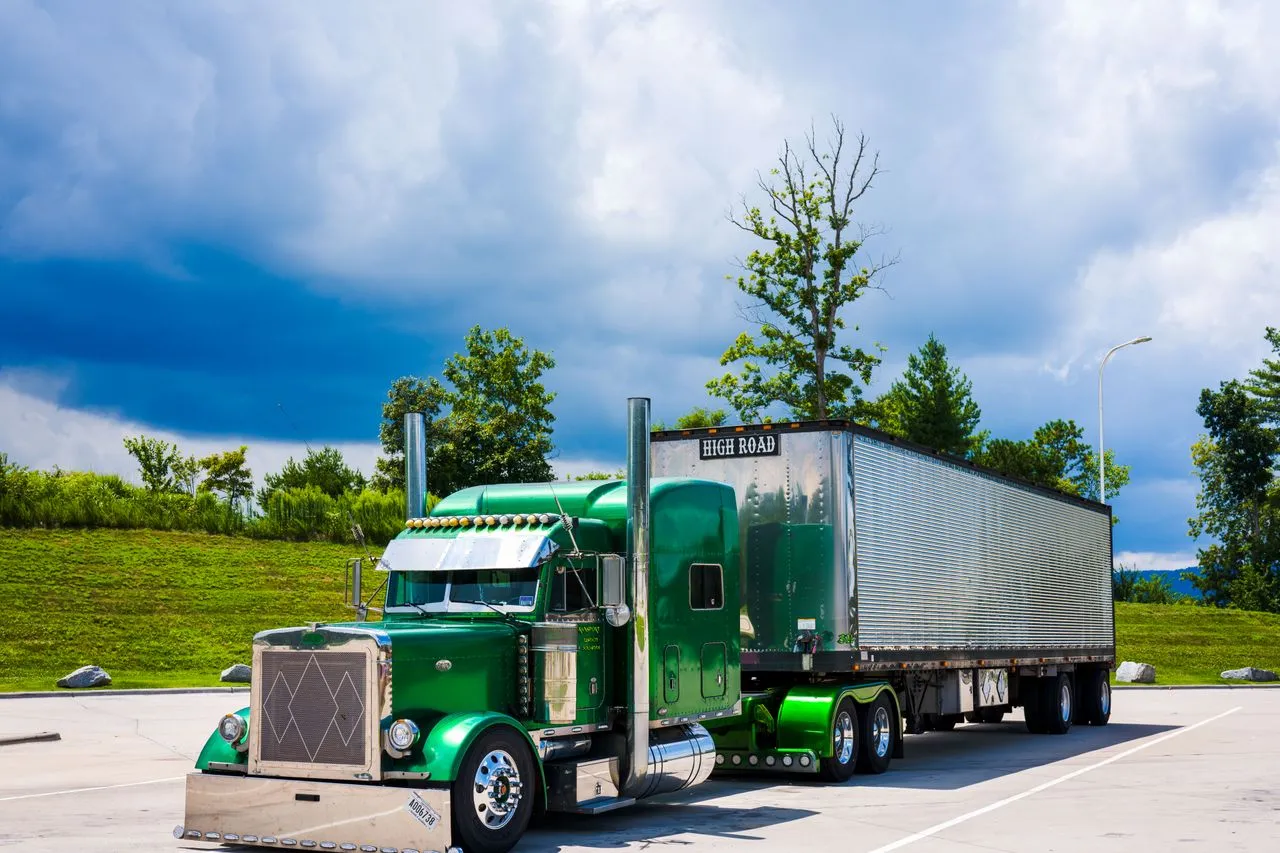
Aurora Innovation Inc. has taken another major step toward transforming the freight transportation industry by announcing a new commercial agreement with Value Truck, a full-service trucking and cross-border logistics provider. Under the agreement, Value Truck will begin operating freight routes powered by the Aurora Driver, the company’s autonomous driving system, while also becoming one of the first customers to deploy Aurora’s second-generation driverless trucks.
The announcement represents more than just another customer partnership. It reflects the growing commercial adoption of autonomous trucking technology as freight carriers seek new ways to address driver shortages, increase operational efficiency, and meet rising demand across major transportation corridors. At the same time, Aurora’s introduction of its second-generation autonomous trucks signals that the company is moving beyond pilot programs toward broader commercial deployment.
Aurora Innovation has spent several years developing autonomous driving technology specifically for the trucking industry. Unlike passenger vehicle autonomy, long-haul freight transportation offers highly predictable highway environments, making it an ideal application for self-driving technology.
With the addition of Value Truck to its customer base, Aurora continues to build momentum in commercial operations. The partnership is designed to demonstrate how autonomous trucks can integrate into existing carrier networks while improving freight movement on some of the busiest logistics routes in the United States.
Aurora executives believe that the launch of the company’s second-generation driverless trucks comes at the perfect time as freight demand continues to increase across North America.
According to Zac Andreoni, Vice President of Business Development at Aurora, freight demand is expanding rapidly on major corridors such as Dallas to Laredo, while available trucking capacity continues to struggle to keep pace. He explained that Aurora developed its next-generation autonomous trucks specifically for carriers that require continuous transportation capacity on fast-growing freight routes.
Andreoni noted that Value Truck represents the type of logistics partner Aurora envisioned when designing its latest autonomous platform—a carrier experiencing business growth while requiring dependable, around-the-clock freight movement.
Value Truck has established itself as a comprehensive transportation provider serving both domestic and cross-border freight markets. The company specialises in transporting a diverse range of cargo, including oversized industrial equipment, retail merchandise, heavy machinery, and temperature-sensitive perishable products.
The partnership with Aurora allows Value Truck to supplement its traditional trucking operations with autonomous vehicles capable of operating continuously across long-distance highway routes.
Initially, the company plans to deploy Aurora Driver-equipped trucks on two strategically important corridors:
These routes were selected because of their high freight volumes and their importance within regional supply chains.
Rather than replacing human drivers, Value Truck intends to use autonomous trucks to handle extended highway journeys while assigning its experienced drivers to shorter local deliveries, customer pickups, and more specialised transportation services.
This hybrid operating model allows the company to maximise workforce efficiency while expanding freight capacity without significantly increasing driver recruitment efforts.
Joe Skoog, Chief Executive Officer of Value Truck, described the partnership as an important milestone not only for his company but also for the broader trucking industry.
He explained that autonomous trucking is transitioning from experimental technology into practical day-to-day freight operations.
According to Skoog, Aurora’s autonomous system provides additional flexibility across major transportation corridors while allowing professional drivers to concentrate on assignments where human expertise delivers the greatest value.
He emphasised that the Dallas-Laredo and Fort Worth-Phoenix routes represent only the initial phase of a much broader strategy.
Looking ahead, Value Truck and Aurora aim to develop one of North America’s most advanced freight transportation networks by gradually expanding autonomous operations to additional corridors throughout the continent.
The initial deployment focuses on transportation corridors that play essential roles in American freight movement.
Dallas serves as one of the country’s largest logistics hubs, connecting manufacturers, distribution centres, retailers, and transportation companies throughout the United States.
Fort Worth similarly functions as a major freight gateway with extensive highway and rail connections supporting interstate commerce.
Phoenix has experienced significant industrial and population growth over the past decade, increasing demand for reliable freight transportation across the Southwest.
However, perhaps the most strategically important destination in Aurora’s initial deployment is Laredo, Texas.
Laredo occupies a unique position within North American trade.
Located directly on the United States-Mexico border, the city serves as the busiest land port in the Western Hemisphere.
Approximately 40 percent of all freight moving between the United States and Mexico passes through Laredo each year.
Every day, thousands of commercial trucks transport automotive components, industrial equipment, consumer products, electronics, food, and manufacturing materials through the city.
As international trade continues to grow, Laredo has become increasingly congested.
Freight carriers often experience lengthy waiting periods at border crossings, inspection facilities, warehouses, and distribution centres.
These delays reduce driver productivity while increasing transportation costs.
One of the biggest factors contributing to rising freight demand is the trend known as nearshoring.
Rather than manufacturing products in distant overseas markets, many companies are relocating production closer to North American consumers by expanding facilities in Mexico and other nearby regions.
Nearshoring offers several advantages, including shorter supply chains, faster delivery times, lower transportation risks, and improved responsiveness to market demand.
As manufacturing shifts closer to the United States, freight volumes moving across the U.S.-Mexico border continue to rise rapidly.
This trend has placed additional pressure on existing trucking networks.
Traditional freight carriers face growing challenges in recruiting enough drivers to accommodate expanding shipment volumes.
Autonomous trucking has emerged as one potential solution to this capacity challenge.
Aurora’s autonomous driving platform is designed specifically for long-haul highway transportation.
Unlike conventional trucks that must comply with federal hours-of-service regulations governing driver working hours, autonomous trucks equipped with the Aurora Driver can potentially operate nearly continuously, subject to operational planning, maintenance requirements, and applicable regulations.
This capability allows carriers to increase equipment utilisation while reducing transit times.
Additional potential benefits include:
Instead of eliminating trucking jobs, Aurora envisions autonomous technology complementing existing workforces by assigning automation to repetitive highway driving while allowing drivers to perform tasks requiring customer interaction, specialised handling, and local deliveries.
The deployment also marks the commercial introduction of Aurora’s second-generation driverless trucks.
While the company has previously operated autonomous freight vehicles through testing and pilot programmes, the second-generation platform has been designed with commercial scalability in mind.
These new trucks incorporate improvements that support larger fleet deployments, greater operational reliability, and expanded customer adoption.
Although Aurora has not publicly detailed every technical enhancement, second-generation systems typically benefit from:
The arrival of these vehicles enables Aurora to serve more customers while preparing for broader expansion across the U.S. freight market.
The trucking industry has struggled with driver shortages for many years.
Several factors have contributed to this challenge, including:
Autonomous trucking offers carriers another tool to help manage these workforce pressures.
Rather than replacing experienced drivers, many logistics companies are exploring ways to combine autonomous highway operations with human drivers handling first-mile and last-mile deliveries.
This blended model could improve driver quality of life by reducing extended highway trips while allowing fleets to expand capacity without proportionally increasing staffing requirements.
Aurora’s agreement with Value Truck reflects growing confidence among logistics providers in autonomous freight technology.
As more carriers begin integrating driverless systems into commercial operations, industry observers expect adoption to expand gradually across additional freight corridors.
The company’s Driver-as-a-Service (DaaS) strategy aims to provide carriers with access to autonomous technology without requiring them to develop self-driving systems independently.
Instead, transportation companies can incorporate Aurora’s technology into existing operations while maintaining their customer relationships and freight networks.
Successful deployment on the Dallas-Laredo and Fort Worth-Phoenix routes could serve as a model for future expansion throughout North America.
Source Link:https://www.businesswire.com/