Electric vehicles are becoming increasingly capable of meeting the demands of everyday drivers, yet concerns about range, charging, winter performance, and reliability continue to influence purchasing decisions. In Canada, where long distances, cold winters, and varied driving conditions are part of daily life, those concerns can be especially significant.
However, recent consumer and sales trends suggest that Canadian interest in electric vehicles is beginning to recover. More shoppers are considering EVs, sales are increasing, and government incentives are once again helping reduce the financial barrier to entry. At the same time, many existing EV owners report high satisfaction levels, indicating that some of the concerns surrounding electric mobility may be greater before ownership than after it.
For automakers such as VinFast, the challenge is therefore not simply building electric vehicles with sufficient range and performance. It is also about demonstrating how modern EV technology can fit naturally into everyday life.
Electric vehicle adoption in Canada appears to be regaining momentum. The percentage of new-vehicle shoppers who say they are either “very likely” or “somewhat likely” to consider an EV has increased to 34%, compared with 28% in 2025. This represents the first notable increase since EV consideration began being tracked in 2022.
The improvement in consumer interest is also visible in sales. Canadians purchased 20.8% more electric vehicles during the first four months of 2026 compared with the same period a year earlier. Several factors are contributing to the improvement, including higher gasoline prices, declining vehicle prices, and the return of federal EV rebates.
Despite these positive developments, significant barriers remain. Range anxiety continues to be the leading concern, with 65% of consumers identifying limited driving range as a worry. Charging availability follows at 56%, while 54% remain concerned about EV performance in extreme temperatures.
Interestingly, actual EV ownership tells a different story. As many as 96% of EV owners say they would choose an electric vehicle again. The contrast between consumer concerns and owner satisfaction suggests that many perceived barriers may become less important once drivers gain firsthand experience with an EV.
One of the most common objections to electric vehicles is the fear of running out of battery during a trip.
The concern is understandable. Drivers are accustomed to gasoline vehicles, where filling the tank takes only a few minutes and fuel stations are familiar parts of almost every road network. Battery-electric vehicles require a different way of thinking about energy.
In practice, however, most EV drivers do not regularly operate their vehicles until the battery reaches an extremely low level. Modern EVs provide enough range for most routine journeys, and many drivers travel relatively short distances each day.
The average driver in many markets travels approximately 40 kilometres per day. For such drivers, an EV with several hundred kilometres of range can provide multiple days of normal transportation before a significant recharge is required.
The VinFast VF 8, for example, offers up to 412 kilometres of range, depending on configuration and testing conditions. That can cover a substantial amount of commuting, school runs, shopping, appointments, social activities, and other routine travel without requiring daily stops at a public charger.
Driving patterns naturally differ from one person to another. Drivers in the United States, for example, average roughly 65 kilometres per day. Professional drivers can travel considerably farther. Taxi drivers may cover between 150 and 250 kilometres daily.
Even those higher-mileage use cases demonstrate why understanding charging habits is more important than simply looking at maximum range. Drivers who know their daily requirements can select an EV that matches their lifestyle and establish charging routines that prevent the battery from becoming critically low.
The important shift is that EV ownership does not necessarily require drivers to constantly monitor their battery percentage. Instead, charging can become part of the normal routine.
Another major concern is whether drivers will be able to find a charger when they need one.
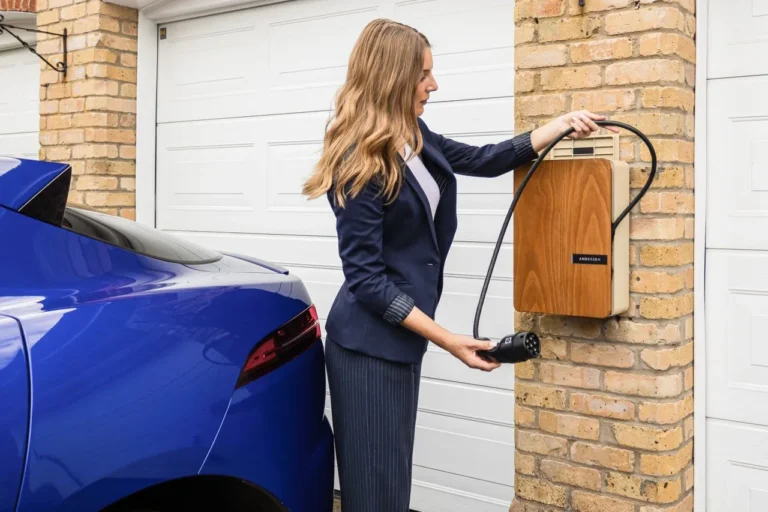
For EV owners with access to home charging, however, the experience can be considerably more convenient than traditional refuelling. Instead of driving to a fuel station, drivers can connect their vehicle to a charger when they return home.
Overnight charging is particularly convenient because the vehicle can replenish its battery while the owner sleeps. The driver can then begin the next morning with a substantial amount of available range.
This changes the relationship between the driver and the vehicle. Gasoline vehicles generally require deliberate trips to a fuel station. EVs can often be charged while the vehicle is parked, meaning that energy replenishment can happen without requiring an additional stop in the driver’s schedule.
For consumers who do not have access to home charging, public charging infrastructure remains important. Canada’s public charging network has continued to expand, with at least 39,654 public charging ports available at 14,743 locations as of March 2025. That represented a 17.4% year-over-year increase.
The continued growth of charging infrastructure is significant because convenience is a major factor in consumer adoption. As more charging locations become available at shopping centres, workplaces, highways, parking facilities, and other destinations, EV drivers gain additional flexibility.
Modern EV ownership also increasingly involves software and connected services.
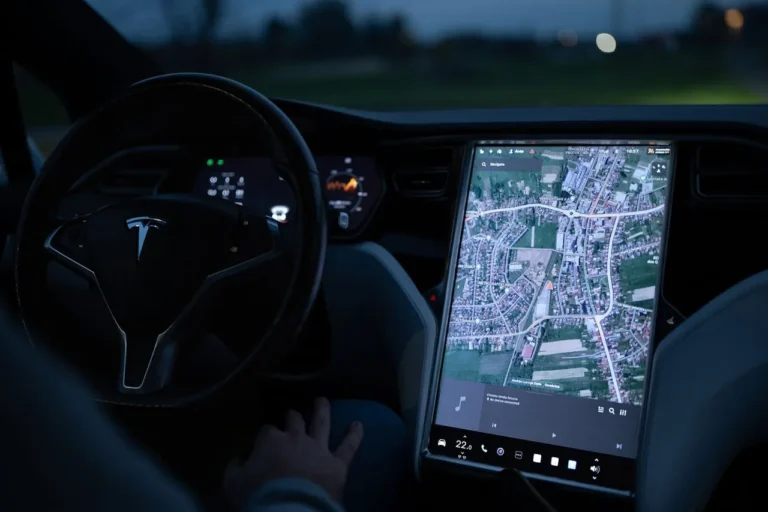
Charging applications can help drivers locate nearby charging stations, check availability, plan routes, and manage charging sessions. These tools reduce the uncertainty associated with finding energy away from home.
The VinFast Companion App, for example, provides access to a broad network of public chargers across North America. According to the company, the app gives users access to approximately 95% of public chargers in the region while supporting features such as charging-location discovery, payments, and vehicle management.
This type of connectivity is becoming an important part of the EV experience. Instead of treating charging infrastructure as a completely separate system, connected EV platforms can integrate charging information directly into the driver’s digital experience.
Route planning can also help reduce range anxiety. Drivers can identify charging locations before beginning a long journey and understand where they can recharge if necessary. As EV software continues to improve, planning a long-distance trip can become increasingly straightforward.
For Canadian consumers, perhaps the most understandable EV concern is winter performance.
Cold temperatures affect vehicles of all types. Batteries, engines, tires, fluids, and other components can perform differently when temperatures fall. EVs are not immune to these effects, and cold weather can reduce battery efficiency.
Research indicates that EVs can experience efficiency reductions of up to 39% in mixed city and highway driving during cold conditions. A significant portion of that energy consumption comes from heating the vehicle’s cabin and maintaining comfortable conditions for passengers.
However, reduced efficiency should not be confused with an inability to operate.
The experience of countries with extremely cold winters provides useful evidence. Norway is one of the world’s strongest EV markets despite its northern location and prolonged periods of freezing temperatures. EVs have achieved an exceptionally high share of new-vehicle sales there, demonstrating that cold weather does not automatically prevent widespread electric-vehicle adoption.
Gasoline-powered vehicles also become less efficient in winter. According to U.S. Environmental Protection Agency estimates, gasoline vehicles can experience fuel-economy reductions in cold conditions, particularly during short trips and city driving.
The key difference is that EV drivers may need to adapt their habits more consciously because battery efficiency is directly affected by temperature.
Several straightforward practices can make winter EV ownership easier.
Pre-conditioning is one of the most useful. Drivers can heat the cabin while the vehicle is still connected to a charger, allowing the car to use external electricity rather than relying entirely on battery energy to warm the interior.
Drivers can also maintain a larger charging reserve during extreme weather. Just as motorists may prefer to keep additional fuel in their tanks during severe winter conditions, EV owners can avoid operating with a very low state of charge.
Battery pre-conditioning before fast charging can also improve the charging experience. Using connected vehicle systems or companion apps to prepare the battery before reaching a fast-charging station can help the vehicle manage charging more effectively.
Planning ahead remains another important strategy. Knowing the location of chargers along a longer route can provide peace of mind and reduce the likelihood of unexpected delays.
These habits are not necessarily complicated. They represent a gradual adjustment to a different type of vehicle ownership.
Another concern among potential EV buyers involves long-term reliability and battery durability. Because the battery is one of the most important and expensive components of an EV, consumers naturally want reassurance that it will remain reliable over many years.
Automakers are responding by offering longer warranties and additional ownership support.
VinFast, for example, backs its all-electric vehicles with a 10-year or 200,000-kilometre vehicle warranty. The company also provides a 10-year unlimited-mileage warranty for high-voltage batteries.
Such coverage can give consumers additional confidence when transitioning from conventional vehicles to electric models.
VinFast also provides mobile maintenance and 24/7 roadside assistance. These services are designed to address another common concern: what happens if an EV owner needs help away from home?
As electric vehicles become more common, service networks, roadside support systems, charging infrastructure, and vehicle software are likely to become increasingly integrated into the overall ownership experience.
The discussion around electric vehicles is gradually moving beyond questions about whether the technology works.
Modern EVs are already capable of handling the majority of everyday driving requirements. The larger challenge is helping consumers understand how EV ownership differs from traditional vehicle ownership and separating genuine limitations from outdated perceptions.
Range remains important, but most drivers travel much shorter distances each day than the maximum range of many modern EVs. Charging infrastructure is expanding, while home charging can eliminate many traditional refuelling stops. Cold weather can reduce efficiency, but it does not prevent EVs from functioning effectively in winter climates.
Most importantly, the experience of current owners provides valuable insight. When 96% of EV owners say they would choose an EV again, it suggests that real-world ownership can be considerably different from the expectations of consumers who have never driven one.
As Canada’s EV market develops, automakers will play an important role in addressing consumer concerns. The next stage of adoption will depend not only on vehicle technology but also on education, charging access, service support, affordability, and confidence.
VinFast is positioning its electric vehicles around several of these factors, including substantial driving range, connected charging tools, extensive warranty coverage, roadside assistance, and mobile maintenance.
Ultimately, the transition to electric mobility is not simply about replacing a gasoline engine with an electric motor. It represents a change in how drivers think about transportation, energy, maintenance, and vehicle ownership.
For many Canadians, an EV can already handle the commute, the school run, the grocery trip, the weekend outing, and the occasional long-distance journey. Once drivers understand how charging fits into their daily routines and how modern EVs perform in different conditions, some of the barriers that once seemed significant may become far less intimidating.
The growing interest in EVs across Canada suggests that consumers are increasingly willing to reconsider those assumptions. With improving infrastructure, better technology, stronger ownership support, and greater consumer experience, electric vehicles are moving closer to becoming an everyday transportation choice rather than a niche alternative.
Source Link:https://www.businesswire.com/