Electric vehicles (EVs) are becoming an increasingly attractive option for drivers looking for dependable transportation, lower operating costs, and a more accessible entry into electric mobility. As more EVs accumulate years of real-world use, researchers are gaining valuable insights into how these vehicles perform over time. Emerging findings suggest that electric vehicles may offer important reliability advantages over conventional gasoline-powered cars, particularly as mileage increases.
For consumers considering a used electric vehicle, these developments could help address one of the most common concerns surrounding EV ownership: whether a vehicle will remain reliable after years of driving.
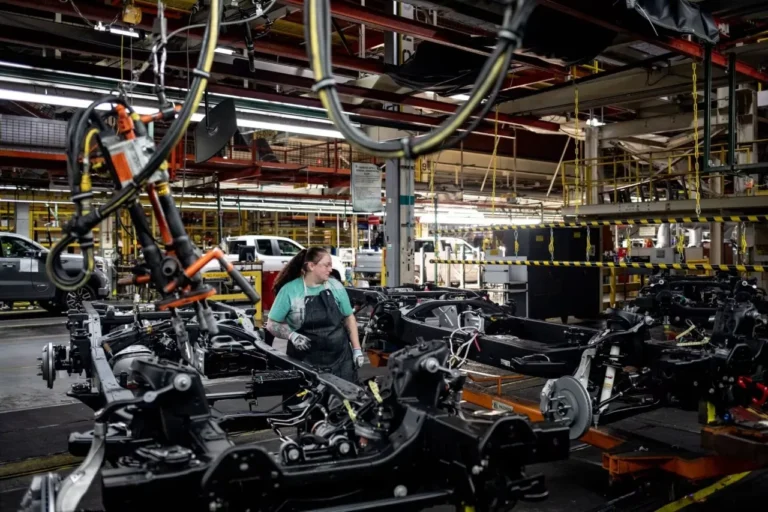
Unlike conventional vehicles, which depend on internal combustion engines, complex transmissions, fuel systems, and exhaust components, electric vehicles use a comparatively simple drivetrain. This difference can reduce the number of mechanical components subject to wear and may lower the need for certain types of routine maintenance.
At the same time, battery condition, charging history, climate exposure, and previous maintenance remain important factors when evaluating a used EV. Buyers need to consider the individual vehicle rather than relying solely on mileage or age.
In Canada, VinFast is seeking to make the used-EV purchasing process more reassuring through its Certified Pre-Owned (CPO) program. The program combines vehicle inspections, history reports, warranty coverage, roadside assistance, and access to software updates to help eligible buyers make more informed purchasing decisions.
The growing number of electric vehicles on public roads has created opportunities for researchers to study their reliability under real-world driving conditions. Earlier discussions about EV ownership often focused on battery replacement costs and uncertainty about long-term durability. However, an expanding body of research is providing a more detailed picture of how electric and gasoline-powered vehicles compare as they age.
A September 2026 study in the United Kingdom, according to the supplied report, examined 47.4 million annual vehicle safety inspections. The findings indicated that higher-mileage electric vehicles, particularly those that had travelled approximately 145,000 to 193,000 kilometres, were about 25% less likely to fail an inspection than gasoline-powered vehicles of the same age.
If confirmed by the underlying study, the findings suggest that high mileage alone should not automatically discourage consumers from considering a used EV. Instead, the vehicle’s overall condition, service history, and inspection results may provide a more useful indication of its suitability.
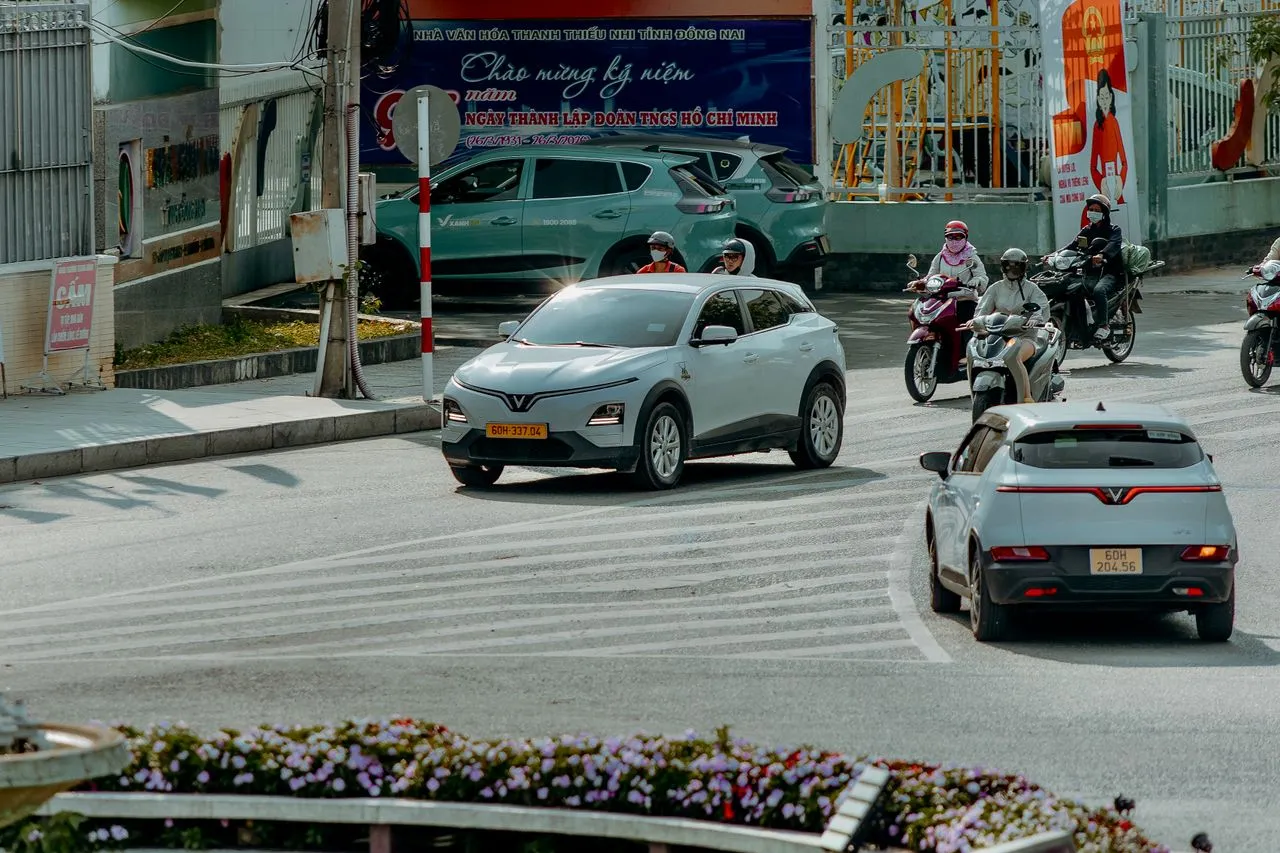
A separate analysis conducted by researchers at Hanoi University of Science and Technology reportedly examined more than 5,600 electric and gasoline-powered vehicles, including vehicles from VinFast and other mainstream manufacturers.
The research found that after the first 40,000 kilometres, electric vehicles experienced approximately 15% to 25% fewer breakdowns than their gasoline-powered counterparts.
These findings point to a possible reliability advantage associated with electric drivetrains. However, reliability can vary considerably according to vehicle design, operating conditions, maintenance history, and the way individual vehicles are used.
The results should therefore be interpreted as evidence of broader trends rather than a guarantee that every used EV will outperform every gasoline car.
For prospective buyers, the practical message is straightforward: a vehicle’s odometer reading is only one part of the assessment. A well-maintained electric vehicle with substantial mileage may still represent a worthwhile purchase, provided its battery, electrical systems, suspension, brakes, tires, and other components are in good condition.
One of the main reasons electric vehicles may require less mechanical maintenance is the relative simplicity of their drivetrains.
Traditional gasoline-powered vehicles contain hundreds of interconnected mechanical components. Their engines rely on combustion, lubrication, cooling, fuel delivery, and exhaust systems. Many also use multi-speed automatic or manual transmissions with numerous moving parts.
These systems are essential to conventional vehicle operation, but they also introduce potential sources of mechanical wear and maintenance requirements.
Electric vehicles operate differently. An electric motor converts electrical energy into motion, and many EVs use a relatively simple single-speed reduction gearbox rather than a conventional multi-speed transmission.
As a result, electric vehicles generally do not require engine oil changes, spark plug replacements, or many of the maintenance procedures associated with internal combustion engines.
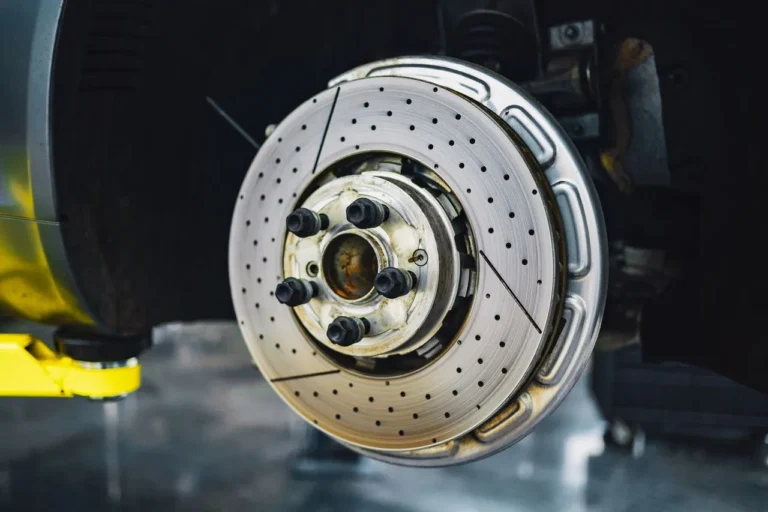
Regenerative braking can also reduce wear on conventional friction brakes because the electric motor helps slow the vehicle while recovering energy for the battery. The actual benefit depends on driving conditions, vehicle design, and brake maintenance.
Nevertheless, EVs are not maintenance-free. Tires, suspension components, cabin filters, brake fluid, cooling systems, and other parts may require inspection or replacement. Some electric vehicles also use specialized thermal-management systems to regulate battery and motor temperatures.
Battery health is another critical consideration. Although modern battery packs are designed for extended service life, their performance can change over time. Degradation depends on factors such as chemistry, temperature, charging practices, and usage patterns.
Consequently, consumers should evaluate both the advantages of electric drivetrains and the condition of the individual vehicle before purchasing a used EV.
For many prospective EV buyers, battery durability remains one of the most important factors in the purchasing decision.
The battery stores the energy needed to power the vehicle, and its condition influences driving range, charging performance, and the overall ownership experience. Although battery degradation is a normal part of EV use, the rate at which it occurs can vary significantly between vehicles.
Canadian fleet telematics company Geotab has examined battery health across thousands of electric vehicles operating in different markets. According to the supplied report, its analysis included more than 22,700 vehicles and identified several factors that can influence battery degradation.
The findings underline the importance of understanding how a used EV has been operated and charged throughout its life.
DC fast charging is valuable for drivers who need to replenish their batteries quickly, particularly during long-distance journeys. It can significantly reduce charging time compared with many AC charging options.
However, frequent reliance on high-power charging may increase battery stress under certain conditions. The effect depends on battery chemistry, charging power, temperature management, and the vehicle’s control systems.
For everyday use, home or workplace AC charging can be a practical alternative when available. Drivers can reserve fast charging for longer trips or situations in which a quicker recharge is necessary.
This does not mean that fast charging should always be avoided. Modern EVs incorporate battery-management systems designed to regulate charging, and manufacturers establish charging limits according to the vehicle’s specifications.
The most appropriate approach is to follow the manufacturer’s recommendations and choose a charging routine suited to the vehicle and driving requirements.
Temperature is another factor affecting battery health.
Electric vehicle batteries operate most efficiently within a suitable temperature range. Although battery-management and thermal-control systems help maintain appropriate operating conditions, sustained exposure to high temperatures can contribute to faster degradation in some circumstances.
For drivers in hot climates, parking in shaded or covered areas when practical may help reduce heat exposure. Using the vehicle’s recommended charging and thermal-management settings can also support battery care.
Canadian drivers face different environmental challenges, including cold winters. Low temperatures can temporarily reduce available driving range and slow charging, particularly before the battery reaches its preferred operating temperature.
These temporary effects should not automatically be interpreted as permanent battery damage. Buyers evaluating used EVs should consider the vehicle’s climate exposure, battery-management technology, and available diagnostic information.
Battery charging habits can influence long-term performance, but EV owners do not need to monitor every percentage point obsessively.
Occasionally charging to 100% or allowing the battery charge to become low is not necessarily a major problem. More important is avoiding unnecessarily long periods at extremely high or low states of charge when the manufacturer’s guidance recommends otherwise.
Some vehicles use lithium iron phosphate batteries, while others use different lithium-ion chemistries. Their recommended charging routines may differ.
Drivers should therefore follow the instructions specific to their model rather than applying a single charging rule to every electric vehicle.
For used-EV buyers, the availability of battery diagnostics can be particularly valuable. Where supported, a battery health assessment may help establish the battery’s remaining capacity and identify potential concerns before a purchase is completed.
While research into EV reliability provides encouraging information, consumers also need practical safeguards when purchasing a pre-owned vehicle.
A used car may have experienced years of commuting, road trips, seasonal temperature changes, or frequent charging. Even when a vehicle appears to be in good condition, buyers may have limited knowledge of its previous use.
VinFast’s Certified Pre-Owned program in Canada is designed to address some of these concerns by applying a structured inspection and reconditioning process to eligible used vehicles.
According to the supplied program information, vehicles must pass a 105-point inspection before receiving certification. The inspection covers mechanical, electrical, battery, and cosmetic components, including an assessment of the battery system against applicable performance standards.
A comprehensive inspection can help identify issues that may not be immediately visible during a short test drive. It can also give buyers additional information about the vehicle’s condition before they make a financial commitment.
The program includes a CARFAX vehicle history report, providing information that can help buyers assess a vehicle’s background. Vehicle history documentation is particularly useful when evaluating previous damage, reported incidents, and other available records.
VinFast also uses factory-trained technicians to recondition certified vehicles with genuine VinFast parts.
This manufacturer-specific approach is intended to help ensure that eligible vehicles meet the program’s requirements before being offered to the next owner.
However, certification should be viewed as an additional source of assurance rather than a substitute for reading the inspection report, reviewing warranty terms, and asking questions about any identified issues.
Warranty protection is another important consideration when buying a used electric vehicle.
Battery repairs and certain high-voltage electrical-system repairs can be expensive, depending on the nature of the fault and the manufacturer’s coverage conditions. For this reason, understanding which components remain protected can influence the total cost and perceived risk of ownership.
According to the supplied information, eligible VinFast Certified Pre-Owned vehicles retain the unused portion of the manufacturer’s 10-year or 200,000-kilometre vehicle warranty, with coverage transferable to the next owner.
The battery remains covered under the applicable warranty terms.
For used-car buyers, the ability to retain eligible manufacturer-backed coverage may provide additional reassurance compared with purchasing a vehicle without a clearly documented warranty.
Nevertheless, consumers should verify the precise terms applicable to the individual vehicle. The remaining warranty period, mileage limits, exclusions, servicing requirements, and treatment of battery-related claims should be confirmed before purchase.
The vehicle’s original in-service date and accumulated mileage may affect how much coverage remains available.
In addition to warranty protection, the VinFast CPO program described in the supplied information includes 24-hour roadside assistance and continued access to over-the-air software updates throughout ownership.
Roadside assistance can be useful if a vehicle experiences a breakdown or another covered roadside issue. Over-the-air updates can allow supported vehicles to receive software improvements without requiring every update to be installed through a conventional dealership visit.
The availability and scope of individual features may depend on the vehicle model, software version, connectivity, and applicable program conditions.
Together, these provisions are intended to make the purchase and ownership process more straightforward for consumers considering a used VinFast electric vehicle.
The used-car market can play an important role in expanding access to electric mobility.
New EVs may require a substantial upfront investment, depending on the model, equipment, market conditions, and available incentives. A pre-owned electric vehicle can offer a lower purchase price, potentially making electric driving accessible to consumers who cannot justify the cost of a new model.
However, purchase price alone does not determine the overall value of a used EV. Buyers should consider the vehicle’s remaining driving range, battery condition, charging compatibility, insurance costs, tire wear, financing terms, and expected maintenance expenses.
Charging access is particularly important. Drivers who can charge at home or work may find everyday EV ownership more convenient and potentially less expensive than drivers who depend exclusively on public charging stations.
Electricity prices, public charging fees, and gasoline prices also influence the potential savings. Actual operating costs vary by location and driving patterns.
A high-mileage used EV may be an attractive option if it has a healthy battery, a documented service history, and a purchase price that reflects its condition. Conversely, a low-mileage vehicle with an uncertain history or significant battery concerns may present greater risks.
Certified Pre-Owned programs can help buyers navigate these considerations by providing standardized inspections and defined warranty arrangements. They do not eliminate every potential problem, but they may reduce uncertainty when compared with a purchase that provides little information about the vehicle.
Consumers considering a pre-owned electric vehicle can take several practical steps to make a more informed decision.
Review the battery condition. Request available battery health information, diagnostic reports, and details about any battery-related repairs. Check whether the reported range is reasonable for the model, battery condition, and driving conditions.
Examine the vehicle history. Review available accident records, ownership information, service documentation, and the CARFAX report where provided.
Confirm warranty coverage. Determine which portions of the original vehicle and battery warranties remain, whether they transfer to the new owner, and what exclusions apply.
Inspect charging equipment and compatibility. Verify that the vehicle’s charging port, onboard charging capability, and supported charging standards meet the buyer’s needs.
Check tires, brakes, and suspension. EVs can be heavy because of their battery packs, and their instant torque can affect tire wear depending on driving style. Regenerative braking may reduce friction-brake use, but brake components still require inspection.
Evaluate real-world range. Consider the driving distance required each day, the availability of home charging, and the effect of seasonal temperatures on expected range.
Read certification documents carefully. Buyers should understand what the certification inspection covers and request clarification about any outstanding issues or conditions attached to the warranty.
These steps can help consumers assess the vehicle’s overall suitability instead of making a decision based exclusively on age, mileage, or brand reputation.
As electric vehicles become more established, the availability of older models is expected to play an increasingly important role in the broader automotive market.
Greater access to real-world reliability data can help consumers distinguish between common assumptions about EVs and the evidence available from vehicles operating over extended periods.
The reported findings from the United Kingdom and Vietnam offer encouraging indications that electric vehicles can remain dependable as mileage increases. Their implications, however, should be considered alongside the condition of individual vehicles and the limitations of the underlying research.
Battery health will continue to be a major part of used-EV evaluations, while inspection standards, transparent vehicle histories, and warranty protection may help reduce purchasing uncertainty.
VinFast’s Certified Pre-Owned program represents one approach to addressing these concerns in Canada. Its 105-point inspection, vehicle history reporting, reconditioning process, eligible warranty coverage, roadside assistance, and software support are intended to give buyers more information and confidence when evaluating a pre-owned electric vehicle.
Ultimately, a used EV should be assessed according to its individual condition, ownership history, battery performance, and suitability for the buyer’s needs. With careful evaluation and sensible charging practices, a well-maintained electric vehicle may offer years of useful service while providing a more accessible route into electric mobility.
As research and market experience continue to develop, used electric vehicles may become an increasingly practical option for Canadian drivers seeking a combination of reliability, operating-cost efficiency, and the benefits of electric transportation.
Source Link:https://www.businesswire.com/