Aurora Innovation, Inc. and Volvo Autonomous Solutions are steadily transforming the future of freight transportation with the expansion of their autonomous trucking network, unveiling a new 200-mile route connecting Dallas, Texas, to Oklahoma City, Oklahoma. This latest development is more than just a geographic extension—it represents a meaningful step toward scaling autonomous logistics operations in real-world conditions while delivering measurable value to customers.
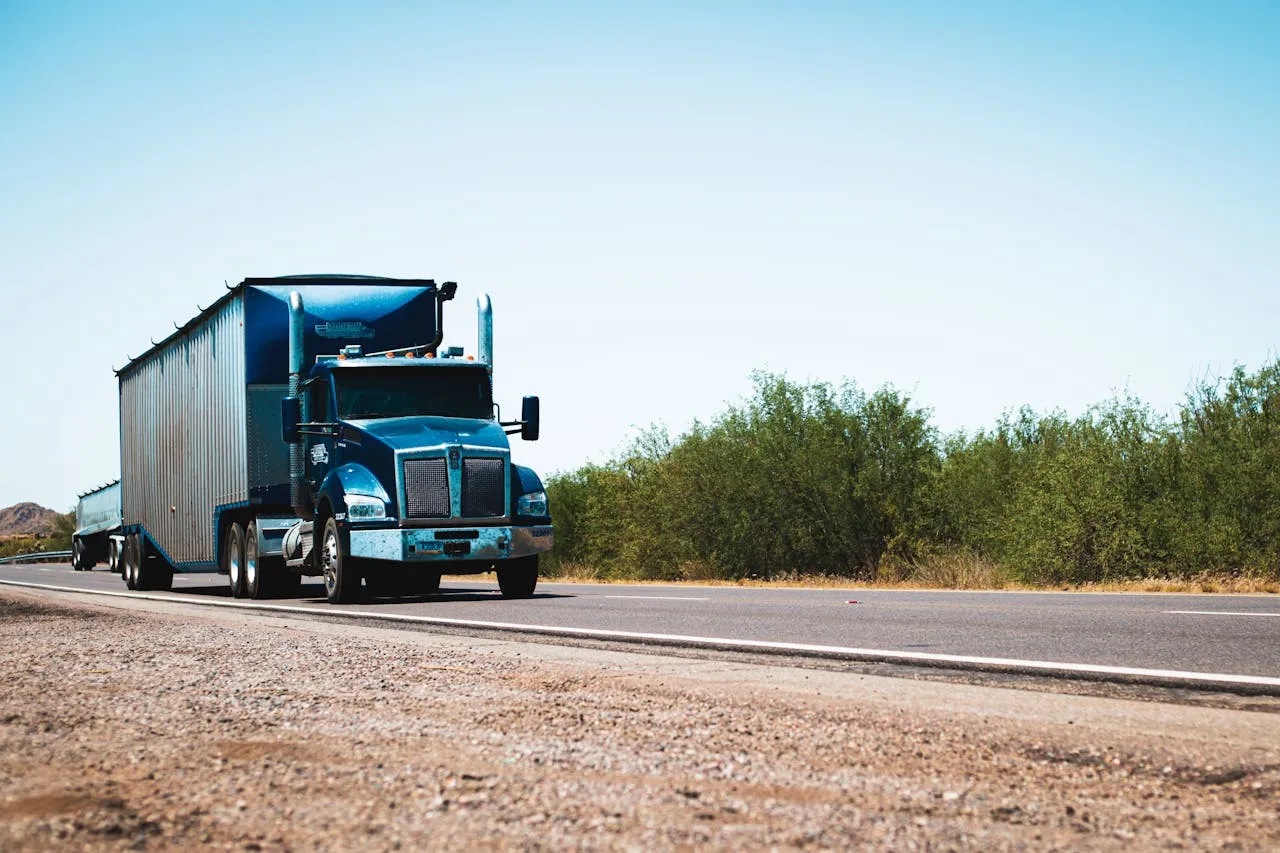
At the center of this expansion is the Volvo VNL Autonomous truck, a purpose-built vehicle integrated with the Aurora Driver, Aurora’s advanced self-driving system. Together, these technologies are designed to move goods with greater safety, efficiency, and reliability. With operations already underway, the new route is now supporting freight movement to customer facilities in Oklahoma City, marking the beginning of a more direct and streamlined logistics model.
The introduction of the Dallas-to-Oklahoma City corridor allows Volvo Autonomous Solutions to tap into a new regional freight market while strengthening its existing network. Currently, the program operates five days a week under supervised autonomous conditions, during which trained personnel remain involved to ensure safety and performance. Even at this stage, the trucks are logging hundreds of miles, demonstrating consistent operational capability and building confidence among customers and stakeholders.
This expansion reflects a broader industry shift toward automation in long-haul trucking, where efficiency gains and operational consistency can significantly impact supply chain performance. By deploying autonomous trucks on a regular schedule, Volvo Autonomous Solutions is able to offer a premium freight service that emphasizes reliability and predictability—two qualities highly valued in logistics.
One of the most notable aspects of this new route is the ability to deliver freight directly to customer facilities. Traditionally, freight transportation often involves multiple handoffs, including drayage moves that shuttle goods between terminals, warehouses, and final destinations. Each of these steps introduces complexity, potential delays, and additional costs.
By operating end-to-end routes, Volvo Autonomous Solutions reduces the need for these intermediate steps. This streamlined approach simplifies logistics flows and enhances overall efficiency. Customers benefit not only from faster delivery times but also from reduced operational friction, making it easier to integrate autonomous transport into their existing supply chains.
Additionally, customers gain access to Volvo’s extensive support ecosystem, including its well-established dealer network and maintenance infrastructure. This ensures that even as they adopt cutting-edge autonomous technology, they continue to receive dependable service and support, minimizing downtime and maintaining high levels of productivity.
According to company leadership, expanding into Oklahoma City represents a critical milestone in the journey toward large-scale autonomous freight operations. Moving from controlled pilot programs to real-world, end-to-end logistics requires a high degree of precision, coordination, and system integration.
Executing such operations successfully demonstrates that autonomous trucks are not just experimental technologies but viable solutions capable of functioning in complex logistics environments. It also underscores the importance of collaboration between technology developers and vehicle manufacturers.
Aurora and Volvo have positioned themselves as strong partners in this space, combining expertise in autonomous software with decades of experience in vehicle engineering and safety. Their joint efforts are focused on building a scalable, commercially viable autonomous freight network that can be expanded across regions and eventually nationwide.
A key highlight of this launch is the speed at which the new route was operationalized. Within just a few weeks, Aurora successfully mapped the interstate corridor between Dallas and Oklahoma City, enabling autonomous trucks to begin hauling freight shortly thereafter.
This rapid deployment showcases the maturity and adaptability of the Aurora Driver system. Mapping a route involves capturing detailed data about road conditions, traffic patterns, and environmental variables, which the autonomous system then uses to navigate safely and efficiently. The ability to complete this process quickly is essential for scaling operations and responding to market demands.
The successful rollout also demonstrates how autonomous technology can be integrated into existing logistics networks without lengthy delays, making it a practical solution for companies seeking to modernize their operations.
Safety remains a central focus for both Aurora and Volvo. Volvo has long been recognized as a global leader in vehicle safety innovation, while Aurora has developed one of the most advanced self-driving systems in the industry. By combining their respective strengths, the companies aim to set new benchmarks for safety, reliability, and performance in autonomous trucking.
The Volvo VNL Autonomous truck is specifically designed to support autonomous operations, incorporating redundant systems and advanced engineering features that enhance safety under a wide range of conditions. Meanwhile, the Aurora Driver leverages a sophisticated suite of sensors, computing systems, and machine learning algorithms to perceive and respond to the surrounding environment.
Together, these technologies create a robust platform capable of operating at scale while maintaining high safety standards. As the industry continues to evolve, such integrated solutions are likely to play a key role in shaping regulatory frameworks and best practices.
The collaboration between Aurora and Volvo has progressed rapidly over the past few years. The companies first introduced the purpose-built Volvo VNL Autonomous truck at the 2024 Advanced Clean Transportation (ACT) Expo, signaling their commitment to bringing autonomous trucking to market.
Following this debut, integration of the Aurora Driver into the Volvo VNL platform began at Volvo’s New River manufacturing facility, the largest production site in Volvo’s global network. This line-side integration process ensures that autonomous capabilities are built directly into the vehicle during manufacturing, rather than added later as aftermarket modifications.
Looking ahead, Volvo plans to scale production significantly, with the goal of manufacturing hundreds of autonomous trucks by 2027. This planned increase in output reflects growing confidence in the technology and its commercial potential.
With strong technical progress and increasing commercial momentum, Aurora and Volvo Autonomous Solutions are now entering the final validation phase for fully driverless operations. This stage involves rigorous testing and verification to ensure that autonomous trucks can operate safely without human supervision.
Achieving driverless capability is a major milestone for the industry, as it unlocks new levels of efficiency and cost savings. It also addresses challenges such as driver shortages and long-haul fatigue, which have long been issues in the trucking sector.
While supervised autonomy remains the current mode of operation, the transition to fully driverless trucking is on the horizon. The work being done today on routes like the Dallas-to-Oklahoma City corridor is laying the foundation for that future.
The expansion of the autonomous freight network between Dallas and Oklahoma City offers a clear glimpse into the future of transportation. It demonstrates how advanced technology, strategic partnerships, and real-world implementation can come together to reshape an entire industry.
By focusing on safety, efficiency, and scalability, Aurora and Volvo Autonomous Solutions are not only advancing their own capabilities but also contributing to the broader adoption of autonomous transport. As their network continues to grow, it is likely to serve as a model for other companies seeking to enter the space.
In the years ahead, autonomous trucking is expected to play an increasingly important role in global logistics, enabling faster, more reliable movement of goods while reducing costs and environmental impact. The progress being made today is just the beginning of a much larger transformation—one that promises to redefine how freight moves across highways and between cities.
Source Link:https://www.businesswire.com/