ACT Expo 2026, New Eagle—a recognized provider of embedded control technologies for intelligent vehicles and advanced machinery—unveiled a major advancement aimed at simplifying the increasingly complex architecture of electrified vehicles. The company introduced the OpenECU NX3, a next-generation electronic control unit (ECU) platform engineered to consolidate multiple critical vehicle functions into a single, highly integrated controller.
This launch reflects a broader shift within the electric vehicle (EV) industry toward reducing system complexity while improving performance, scalability, and cost efficiency. As EV platforms evolve—particularly in commercial and heavy-duty segments—manufacturers are facing mounting challenges related to integration, wiring, safety compliance, and system coordination. The OpenECU NX3 is designed to directly address these challenges by merging charging control and full vehicle supervisory management into one unified platform.
Traditionally, electrified vehicle systems rely on a multi-controller or “multi-box” architecture, where different ECUs manage separate functions such as battery management, charging protocols, powertrain control, and auxiliary systems. While this approach allows for modularity, it introduces significant drawbacks. These include increased wiring complexity, higher production costs, more potential failure points, and longer development cycles due to the need for integration across multiple subsystems.
The OpenECU NX3 represents a departure from this fragmented approach. By consolidating these functions into a single controller, the platform simplifies system architecture while maintaining—or even enhancing—performance and safety. This integration reduces the number of physical components required, minimizes wiring harnesses, and streamlines communication between subsystems.
According to company leadership, the goal is not just incremental improvement, but a fundamental redesign of how vehicle control systems are structured. The NX3 serves as a central “brain” for electrified vehicles, capable of coordinating multiple domains seamlessly within one robust hardware and software environment.
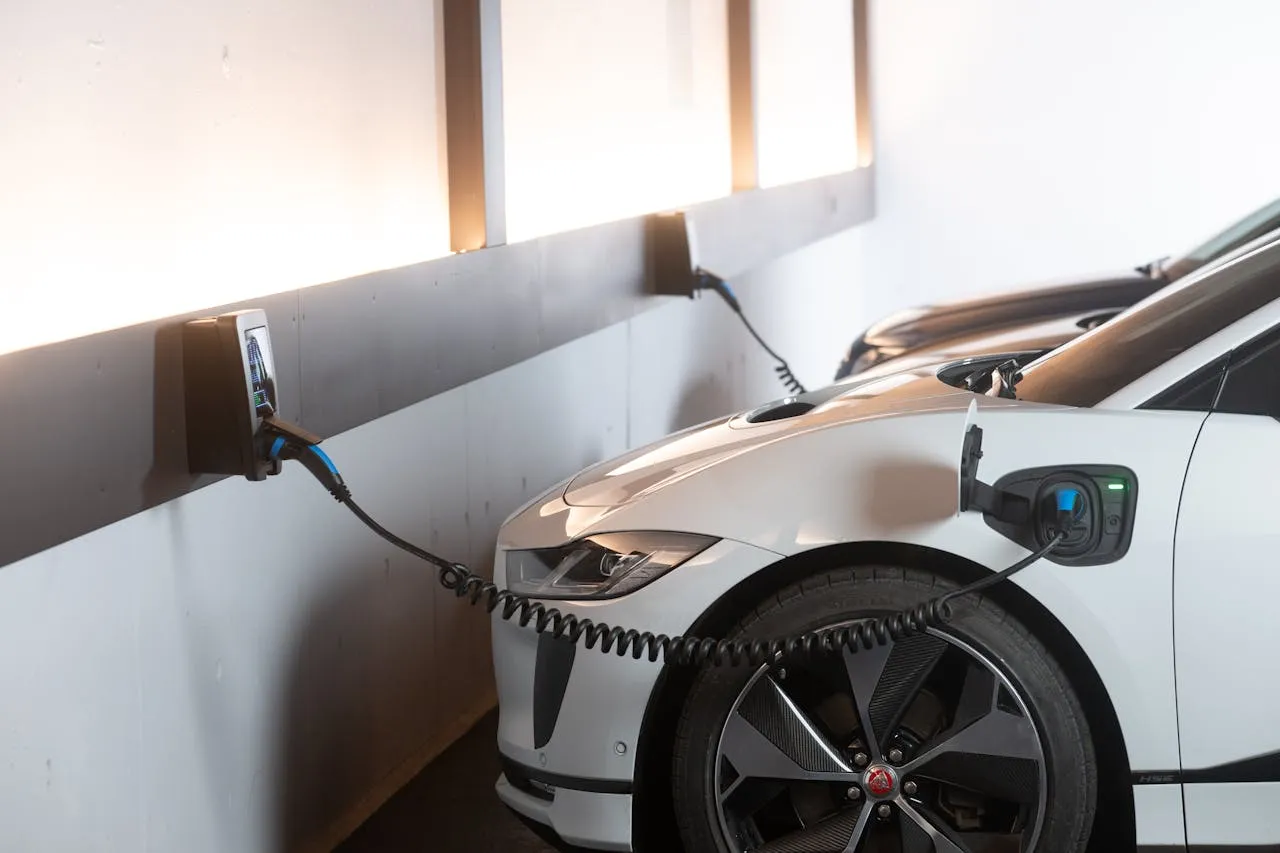
One of the most notable aspects of the OpenECU NX3 is its ability to combine charging protocol management with full vehicle supervisory control. Specifically, the platform integrates both Megawatt Charging System (MCS) and Combined Charging System (CCS) capabilities into a single ECU.
This dual-inlet charging support is particularly significant for commercial EV applications, where flexibility in charging infrastructure is critical. MCS is designed for high-power charging—often exceeding one megawatt—making it ideal for heavy-duty trucks and industrial vehicles that require rapid energy replenishment. CCS, on the other hand, is widely used across passenger and light commercial EVs, offering compatibility with existing charging networks.
By supporting both standards within one controller, the NX3 eliminates the need for separate charging control units. This not only reduces hardware redundancy but also simplifies system integration and improves overall reliability.
At the same time, the platform provides full supervisory control over the vehicle’s powertrain, energy management systems, and auxiliary functions. This unified control enables more efficient coordination between systems, optimizing performance and energy usage while ensuring consistent operation under varying conditions.
The development of the OpenECU NX3 has been significantly influenced by New Eagle’s acquisition of Pi Innovo, a move that expanded the company’s capabilities across hardware design, software development, and engineering services. This integration has allowed New Eagle to enhance its product portfolio and accelerate innovation in control system technologies.
The NX3 builds upon the established OpenECU platform and integrates seamlessly with the Raptor toolchain, which is widely used for model-based design and rapid prototyping. This combination enables engineers to move efficiently from initial concept through to production deployment, reducing development time and improving accuracy.
The platform supports both model-based workflows and traditional C-code development, giving manufacturers the flexibility to choose the approach that best suits their needs. This adaptability is particularly important in an industry where development cycles are becoming increasingly compressed and customization requirements are growing.
As vehicles become more software-defined and interconnected, ensuring safety and cybersecurity has become a top priority. The OpenECU NX3 is designed to meet stringent industry standards, including ASIL-D functional safety requirements and ISO 21434 cybersecurity guidelines.
ASIL-D represents the highest level of safety integrity under automotive standards, indicating that the system is capable of handling critical safety functions with minimal risk. Compliance with ISO 21434 ensures that the platform incorporates robust cybersecurity measures to protect against potential threats and vulnerabilities.
By integrating these capabilities into a single controller, the NX3 not only simplifies system architecture but also ensures that safety and security are embedded at the core of the design, rather than added as an afterthought.
The introduction of the NX3 comes at a time when the EV industry is grappling with several key challenges. As commercial fleets transition to electrification, manufacturers must balance performance, cost, and reliability while navigating evolving regulatory requirements and infrastructure limitations.
Multi-controller architectures, while functional, are increasingly seen as inefficient for next-generation EV platforms. They add unnecessary complexity and can hinder scalability, particularly as vehicles become more advanced and feature-rich.
The OpenECU NX3 addresses these issues by offering a streamlined, scalable solution that reduces the number of components and simplifies integration. This not only lowers production costs but also improves reliability by minimizing potential points of failure.
In addition, the platform’s ability to support both high-power and standard charging protocols makes it adaptable to a wide range of applications, from heavy-duty trucks to light commercial vehicles and beyond.
The launch of the NX3 is part of a broader expansion of New Eagle’s electrification portfolio. Alongside this new platform, the company is introducing additional solutions designed to support various aspects of EV development and deployment.
These include the Charge Control Unit (CCU), which focuses on managing charging operations, and the DLC-12, a driveline controller designed to enhance performance and efficiency in electrified powertrains. Together, these products provide a comprehensive suite of tools for manufacturers seeking to develop and scale electrified vehicle programs.
By offering a range of production-ready controllers, New Eagle aims to support customers at every stage of development—from early prototyping to full-scale production. This end-to-end approach is intended to reduce time-to-market and enable more efficient deployment of new technologies.
The OpenECU NX3 represents more than just a new product; it reflects a broader vision for the future of vehicle control systems. As electrification continues to reshape the automotive and commercial vehicle industries, the need for integrated, scalable, and efficient solutions will only grow.
By consolidating key functions into a single controller, New Eagle is positioning itself at the forefront of this transformation. The NX3 offers a glimpse into a future where vehicle architectures are simpler, more efficient, and easier to manage—without compromising on performance, safety, or flexibility.
For OEMs and developers, this approach has the potential to significantly streamline the design and deployment of electrified vehicles. By reducing complexity and enabling greater integration, the platform can help accelerate the transition to cleaner, more sustainable transportation systems.
As the industry continues to evolve, innovations like the OpenECU NX3 will play a critical role in shaping the next generation of vehicles. With its combination of advanced capabilities, robust safety features, and flexible development environment, the platform is poised to become a key enabler of progress in the electrified mobility landscape.
Source Link:https://www.businesswire.com/