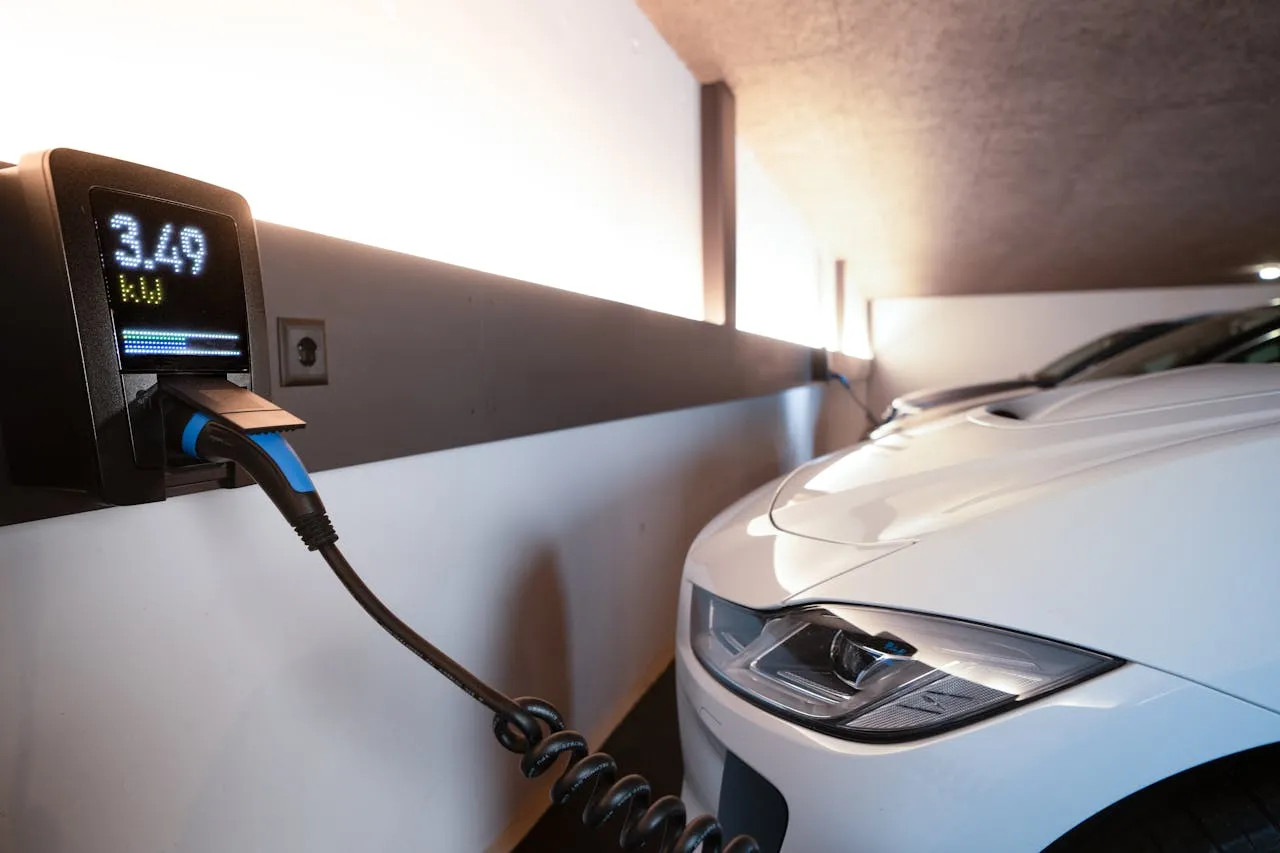
As electric vehicle adoption continues to accelerate across Europe and other global markets, the demand for high-performance charging infrastructure is growing just as rapidly. Drivers increasingly expect charging speeds comparable to the convenience of traditional refueling, while fleet operators, logistics providers, and commercial property owners require scalable charging solutions capable of supporting multiple vehicles simultaneously. However, one major obstacle continues to slow the deployment of ultra-fast charging networks: limited grid capacity.
In many urban areas, commercial sites, industrial zones, and existing parking facilities, electrical grid connections are simply not designed to support the enormous power demands associated with modern high-speed charging systems. Expanding grid infrastructure is often expensive, time-consuming, and technically challenging. In some cases, utility upgrades may take years to complete, delaying critical charging projects and increasing overall deployment costs.
A real-world microgrid project implemented by energielösung GmbH demonstrates how battery-buffered charging technology from ADS-TEC Energy can overcome these challenges and enable significantly higher charging performance than conventional grid connections would normally permit. The project, which was examined as part of a master’s thesis at the Technical University of Applied Sciences Ingolstadt, offers valuable insight into how integrated battery storage systems can reshape the future of electric vehicle charging infrastructure.
The charging system was installed at Bayernwerk’s headquarters in Regensburg, Germany, where researchers analyzed the performance of the site over several weeks under actual operating conditions. Unlike theoretical simulations or laboratory testing, the field study provided practical data showing how battery-buffered charging behaves in day-to-day use scenarios involving fluctuating demand, simultaneous vehicle charging sessions, and grid limitations.
The charging site consisted of three separate fast-charging systems operating together within a microgrid environment. Two of the systems were conventional hyperchargers offering charging capacities of 150 kW and 50 kW respectively. The third unit was ADS-TEC Energy’s ChargePost solution, which combines ultra-fast charging capabilities with an integrated 201 kWh battery storage system capable of delivering up to 300 kW of charging power.
What makes the setup particularly remarkable is that the entire charging site operated using a relatively small 125 kW grid connection. Under normal circumstances, such a limited connection would create severe restrictions for conventional high-power charging infrastructure. Traditional fast chargers rely directly on available grid power, meaning their charging output can only match what the local electrical connection can continuously provide.
In contrast, the ChargePost system decouples charging performance from the immediate limitations of the grid connection. By integrating a large battery storage unit directly into the charging system, the technology can draw lower levels of electricity from the grid over time while still supplying extremely high charging power to vehicles when needed.
Battery-buffered charging systems function similarly to an energy reservoir. Instead of relying solely on instantaneous power from the utility grid, the system gradually stores electricity inside an integrated battery pack during periods of lower demand. When an electric vehicle requires ultra-fast charging, the stored energy is discharged rapidly to provide significantly higher output levels than the grid alone could support.
In the Regensburg deployment, the ADS-TEC Energy ChargePost required only between 22 kW and 87 kW of input power from the grid during operation. Despite this relatively modest power draw, the system was still able to provide charging speeds of up to 300 kW to connected electric vehicles.
This approach solves one of the most pressing infrastructure problems facing EV charging operators today. Instead of waiting for costly grid upgrades or new transformer installations, charging providers can deploy high-performance charging stations immediately using existing electrical infrastructure.
The integrated battery system effectively absorbs the mismatch between limited grid capacity and high charging demand, creating a more flexible and scalable solution for commercial charging environments.
One of the most important findings from the field study involved the ChargePost system’s role within the broader microgrid architecture. The battery-buffered charging unit did not simply charge vehicles independently; it also actively supported the operation of the additional charging stations connected to the site.
During periods of high demand, the ChargePost compensated for peak loads and distributed stored energy to help maintain charging performance across the entire charging network. This allowed multiple electric vehicles to charge simultaneously despite the limitations of the site’s 125 kW grid connection.
Without energy buffering, simultaneous charging sessions at conventional high-power chargers would quickly exceed the available electrical supply, forcing charging speeds to be reduced significantly or requiring expensive demand management strategies. The battery-buffered approach avoids these constraints while maintaining high charging throughput.
This capability becomes increasingly valuable as EV adoption expands and charging hubs begin serving larger numbers of vehicles each day. Public charging stations, fleet depots, logistics centers, shopping complexes, office campuses, and highway service areas all face growing pressure to deliver faster charging without overwhelming local grid infrastructure.
Microgrids equipped with integrated battery storage offer a pathway toward scaling charging operations without requiring immediate utility network expansion.
Another major advantage highlighted during the project was the system’s integration capability. The ChargePost solution can connect directly with existing building management systems and energy management platforms, enabling centralized monitoring and control.
This integration allows operators to optimize charging performance based on multiple variables, including electricity prices, grid demand, charging schedules, building energy consumption, and renewable energy availability. Intelligent energy management becomes especially important as energy markets grow more dynamic and utilities increasingly introduce demand-based pricing structures.
By coordinating charging operations with broader site energy usage, operators can minimize peak demand charges while improving overall efficiency. The system can also prioritize charging sessions strategically depending on operational requirements or customer needs.
For commercial facilities already investing in renewable energy generation such as rooftop solar installations, battery-buffered charging systems can further improve energy utilization. Excess solar generation can be stored within the charging infrastructure and later used to support vehicle charging during periods of high demand or reduced renewable output.
The ability to integrate charging infrastructure into larger smart energy ecosystems positions battery-buffered microgrids as a key component of future sustainable transportation networks.
One of the strongest arguments for battery-buffered charging infrastructure lies in its economic advantages. Grid expansion projects often represent one of the largest expenses associated with deploying ultra-fast charging stations. Upgrading transformers, laying new cables, and securing higher-capacity utility connections can dramatically increase project timelines and capital costs.
In many cases, especially in urban environments or remote locations, expanding the grid may not be economically practical at all.
The field study demonstrated that battery-buffered systems can significantly reduce or even eliminate the need for major grid upgrades. Because the integrated battery absorbs and redistributes energy intelligently, operators can achieve high charging performance using existing infrastructure.
This creates substantial savings both during initial deployment and throughout long-term operation.
The economic optimization scenario analyzed during the project produced particularly promising results. Researchers found that the system’s ability to reduce peak loads and purchase electricity during lower-cost periods generated annual operating cost savings worth several thousand euros.
Peak demand charges represent a major operational expense for many commercial electricity users. By smoothing energy consumption and avoiding sudden spikes in grid demand, battery-buffered charging systems help operators control these costs more effectively.
In addition, energy storage enables operators to take advantage of fluctuating electricity prices by charging the integrated battery when rates are low and using stored energy during more expensive periods.
Battery-buffered microgrids may prove especially valuable in locations where electrical infrastructure is weak or constrained. Rural areas, highway corridors, temporary event sites, older commercial buildings, and industrial facilities often lack the grid capacity needed for traditional ultra-fast charging stations.
Rather than waiting years for utility upgrades, operators can deploy scalable charging solutions immediately using battery-integrated systems.
This flexibility could accelerate EV infrastructure deployment across underserved regions while helping governments and private companies meet ambitious electrification targets. As electric commercial fleets, delivery vehicles, buses, and passenger cars continue expanding globally, accessible high-speed charging infrastructure will become increasingly essential.
Battery-buffered charging also improves resilience during grid instability or power fluctuations. Because the integrated battery provides stored energy independently of real-time grid supply, charging services can continue operating more reliably during periods of electrical stress or temporary outages.
The Bayernwerk microgrid project provides a compelling example of how energy storage and intelligent charging technologies can transform electric vehicle infrastructure deployment. By combining ultra-fast charging capabilities with integrated battery systems and smart energy management, operators can overcome one of the industry’s biggest barriers: limited grid capacity.
As EV adoption accelerates and demand for rapid charging continues rising, solutions that maximize existing electrical infrastructure will become increasingly important. Battery-buffered charging systems offer a practical pathway toward faster deployment, lower infrastructure costs, improved energy efficiency, and enhanced charging availability.
The real-world results from Regensburg demonstrate that ultra-fast charging no longer needs to depend entirely on massive grid connections. Through intelligent microgrid design and integrated battery technology, charging providers can deliver high-performance EV charging while maintaining grid-friendly operations and strong economic performance.
For utilities, charging operators, municipalities, fleet owners, and commercial property developers, battery-buffered microgrids may represent one of the most effective strategies for scaling electric mobility infrastructure in the years ahead.
Source Link:https://www.businesswire.com/