Camber Charging, a prominent player in the electric vehicle (EV) infrastructure space, has secured a major contract that underscores both its technical capabilities and the accelerating shift toward zero-emission public transportation in the United States. The company announced that it has been selected by the Los Angeles County Metropolitan Transportation Authority to design, deliver, install, and maintain a large-scale network of on-route charging systems that will support the agency’s rapidly expanding electric bus fleet.
This agreement, valued at approximately $58 million, represents a significant milestone not only for Camber Charging but also for the broader clean mobility transition underway in Los Angeles. The project involves the deployment of 73 high-powered charging systems distributed across 20 strategic transit locations. With initial deliveries expected to begin in late 2026, the timeline aligns closely with one of the most high-profile global events on the horizon—the 2028 Summer Olympics and Paralympic Games.
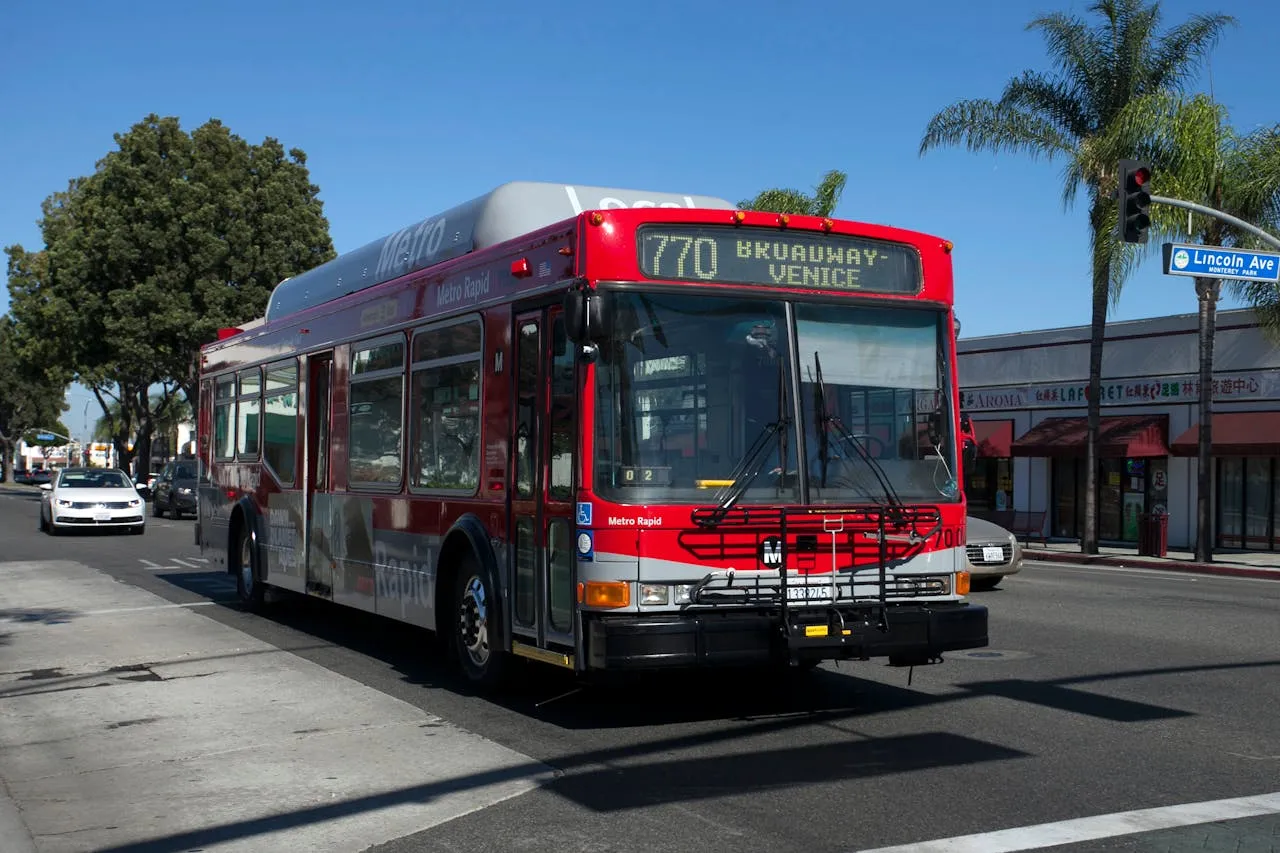
LA Metro has committed to transforming its entire bus fleet into a zero-emission system, a goal that places it among the most ambitious transit agencies in North America. The partnership with Camber Charging plays a critical role in achieving that vision. By the time the Olympic Games arrive in 2028, the agency expects to operate a fully electrified network capable of transporting not only daily commuters but also a massive influx of visitors, athletes, and staff.
The scale of demand during the Olympics will be unprecedented. LA Metro anticipates that its buses will carry an additional one million passengers per day during the event. This surge places enormous pressure on infrastructure reliability, operational efficiency, and energy management. The charging network being developed by Camber is designed to meet these exact challenges, ensuring that buses remain operational with minimal downtime while maintaining consistent service levels.
Brendan Harney, CEO of Camber Charging, emphasized the importance of seamless execution. He noted that while charging infrastructure is fundamental to the system’s success, it should ultimately operate in the background. The real measure of success, according to Harney, will be whether the public perceives the transportation system as efficient, reliable, and forward-thinking.
At the heart of this deployment is a robust technological solution tailored specifically for transit applications. Camber will install 360 kW on-route charging systems, which are designed to provide ultra-fast energy delivery to electric buses during short توقفs along their routes. This approach reduces the need for long charging sessions at depots and enables continuous operation throughout the day.
The system will be built around the Power Electronics NBi 360 power cabinet, paired with overhead pantograph charging equipment. Pantographs allow buses to connect automatically to charging infrastructure, significantly reducing manual intervention and improving operational efficiency. This configuration has already been validated in multiple transit deployments, offering proven reliability and performance under demanding conditions.
In addition to pantograph systems, select locations will also include plug-in charging dispensers. This hybrid approach provides flexibility, allowing LA Metro to accommodate different vehicle types and operational scenarios within its fleet.
Camber Charging’s selection for this high-profile project is rooted in its extensive track record in fleet electrification. The company has deployed and managed more than 1,500 DC fast-charging ports across North America, serving a wide range of clients in both public and private sectors.
Among its notable projects are deployments for Capital Metro in Texas, PACE in Illinois, WeDriveU in San Jose, and ITS in Long Beach, California. Beyond transit agencies, Camber has also supported charging infrastructure for major corporate clients, including a global biopharmaceutical company, a leading digital platform provider, and an international car rental firm with operations spanning North America and Europe.
This breadth of experience gives Camber a unique advantage in handling complex, large-scale projects like the LA Metro deployment. The company’s ability to integrate hardware, software, and service into a unified solution has been a key factor in its growth and industry reputation.
One of the most critical aspects of the contract is not just the installation of infrastructure but its ongoing performance. Camber will provide a comprehensive six-year service agreement under its Camber Complete program. This plan guarantees charger availability of 98% or higher, a benchmark that reflects the mission-critical nature of public transit operations.
Rapid response times are another cornerstone of the service offering. Camber has committed to addressing issues within as little as two hours, minimizing disruptions and ensuring that buses remain in service. This level of responsiveness is essential in a high-demand environment where even minor delays can cascade into significant operational challenges.
Complementing the physical infrastructure is Camber’s proprietary software platform, Camber Core. This advanced charge management system provides real-time monitoring, diagnostics, and energy optimization across all charging sites. By leveraging data analytics, the platform enables transit operators to make informed decisions about energy usage, maintenance scheduling, and fleet deployment.
The integration of software and hardware is particularly important as transit agencies transition to electric fleets. Unlike traditional diesel operations, electric systems require careful coordination between vehicles, chargers, and the power grid. Camber Core is designed to manage these complexities, ensuring that energy is delivered efficiently while avoiding unnecessary strain on local infrastructure.
The 2028 Olympic and Paralympic Games will serve as a global stage for Los Angeles, showcasing not only its cultural and sporting achievements but also its commitment to sustainability and innovation. The success of the city’s transportation system will be a key component of that narrative.
By partnering with Camber Charging, LA Metro is taking a proactive approach to ensuring that its transit network can handle the demands of such a large-scale event. The investment in electric buses and supporting infrastructure reflects a broader shift toward environmentally responsible urban mobility.
The collaboration between Camber Charging and LA Metro represents more than just a single project; it is a glimpse into the future of public transportation. As cities around the world grapple with climate change, air quality concerns, and growing urban populations, the transition to zero-emission transit systems is becoming increasingly urgent.
Projects like this demonstrate how technology, infrastructure, and strategic partnerships can come together to create scalable solutions. They also highlight the importance of long-term planning, particularly when preparing for events as significant as the Olympic Games.
For Camber Charging, the contract reinforces its position as a leader in fleet electrification. For LA Metro, it marks a major step toward achieving a fully electric transit system that is not only sustainable but also capable of delivering world-class service.
As the countdown to 2028 continues, all eyes will be on Los Angeles to see how effectively it can deliver on its ambitious vision. If successful, the city’s approach could serve as a model for transit agencies worldwide, demonstrating that a fully electrified, high-performance public transportation system is not just possible—but practical.
About Camber Operating Company, LLC.
Camber Operating Company, LLC. is a North American leader in electric vehicle charging infrastructure for transit, commercial and municipal fleets. Camber offers end-to-end fleet electrification services, from site assessment and system design to hardware deployment, software management, and long-term operations and maintenance. Camber has deployed over 1,500 DC fast-charging ports across the United States and Canada.
Source Link:https://www.businesswire.com/