Electric vehicles are steadily moving beyond the image of niche technology reserved for early adopters and environmentally focused consumers. Across the United States, EVs are becoming part of daily life for families, commuters, retirees, renters, and first-time buyers who are integrating electric mobility into routines that look very similar to those of traditional gasoline vehicle owners. From suburban households coordinating school pickups to urban apartment dwellers learning how to charge without private garages, EV ownership is increasingly reflecting the diversity of modern American lifestyles.
Recognizing this transformation, Veloz, a national nonpartisan 501(c)(3) nonprofit organization focused on accelerating electric vehicle adoption, has launched the Real Stories hub on ElectricForAll.org. The new platform is designed as a brand-neutral, interactive destination where EV owners from across the country can share firsthand experiences about transitioning to electric transportation. Rather than relying solely on technical specifications, advertisements, or industry messaging, the initiative places real drivers and their day-to-day experiences at the center of the conversation.
The launch reflects a broader shift taking place in the EV industry. While earlier discussions about electric mobility often focused heavily on technology innovation, battery range, or luxury vehicle performance, today’s consumers are increasingly interested in practical questions. They want to know how EVs fit into real life, how charging works in different living situations, whether long-distance travel is manageable, and how much money can actually be saved over time. The Real Stories hub aims to answer those questions through authentic personal experiences from people living in a wide variety of circumstances.
The platform features drivers from states including Nebraska, Louisiana, Massachusetts, California, Illinois, Florida, and North Carolina, creating a nationwide snapshot of how EV adoption is evolving across regions with different climates, infrastructure levels, driving habits, and economic conditions. The inclusion of stories from both coastal and inland states demonstrates that EV ownership is no longer concentrated in a few metropolitan strongholds. Instead, adoption is expanding into communities that historically may not have been associated with electric transportation.
Importantly, the hub highlights a broad spectrum of ownership experiences. Featured participants include longtime EV enthusiasts, recent buyers, families with multiple vehicles, commuters using EVs for daily transportation, and consumers who entered the market through used electric vehicles rather than purchasing new models. This diversity helps paint a more accurate picture of the modern EV landscape, where affordability and accessibility are becoming increasingly important factors.
According to Josh D. Boone, Executive Director of Veloz, the changing demographics of EV ownership underscore the importance of relatable storytelling. He emphasized that electric vehicle adoption is no longer limited to a specific category of driver or geographic region. Instead, EVs are being successfully integrated into countless lifestyles across the country.
Boone also pointed out that consumers often rely on personal networks and community experiences when making major purchasing decisions. Whether buying a home, choosing healthcare options, or selecting a new vehicle, people frequently turn to friends, neighbors, and family members for insight and reassurance. By elevating real owner experiences, ElectricForAll.org aims to provide a trusted and relatable resource that helps consumers imagine how EV ownership could work within their own lives.
The timing of the initiative is particularly relevant as interest in electric vehicles continues to rise amid ongoing fluctuations in gasoline prices and broader discussions about energy costs. Many consumers are increasingly evaluating the long-term economics of vehicle ownership, including fuel savings, maintenance expenses, and overall operating costs. Electric vehicles are often promoted as lower-cost alternatives over time due to reduced fueling and maintenance requirements, but many consumers remain uncertain about what those savings actually look like in practice.
The Real Stories hub addresses those concerns by showcasing practical experiences from drivers who discuss how EV ownership has affected their budgets and daily routines. Some stories focus on fuel savings achieved through home charging, while others explore lower maintenance requirements resulting from fewer moving parts and reduced servicing needs compared to traditional internal combustion engine vehicles.
For many drivers, the economic advantages of EV ownership become especially noticeable over time. Without the need for oil changes, exhaust system repairs, or many engine-related maintenance procedures, owners often report lower ongoing expenses. In addition, electricity prices can provide more predictable fueling costs compared to volatile gasoline markets, particularly for drivers who primarily charge at home during off-peak hours.
However, the platform does not present EV ownership as universally identical for all consumers. Instead, it highlights the nuances and realities that come with different living situations. Some participants discuss the convenience of overnight home charging in suburban neighborhoods, while others explain how they navigate charging infrastructure as renters or apartment residents without dedicated parking spaces.
This focus on practical realities is a central feature of the platform’s design. Rather than presenting static educational materials or overwhelming visitors with technical jargon, the Real Stories hub organizes content around lifestyle needs and everyday concerns. Users can explore stories related to commuting, family transportation, road trips, affordability, charging access, or environmental considerations depending on the questions most relevant to them.
The approach mirrors how many consumers naturally research major lifestyle decisions today. People increasingly seek out peer experiences, video testimonials, and real-world examples before making purchases. In the EV sector, where misconceptions and uncertainty still exist, firsthand accounts can provide a level of credibility and relatability that traditional marketing materials may struggle to achieve.
In addition to storytelling, ElectricForAll.org incorporates several interactive tools designed to help visitors connect owner experiences with their own potential purchasing decisions. One of the key features allows users to estimate possible cost savings associated with switching from a gasoline-powered vehicle to an electric model. By incorporating individual driving habits and ZIP code information, the platform can generate personalized comparisons related to fuel and maintenance expenses.
These localized insights help make the information more relevant and actionable. Electricity rates, gasoline prices, driving distances, and charging availability can vary significantly depending on where consumers live. By tailoring information to specific regions and usage patterns, the platform seeks to offer a more realistic understanding of potential ownership outcomes.
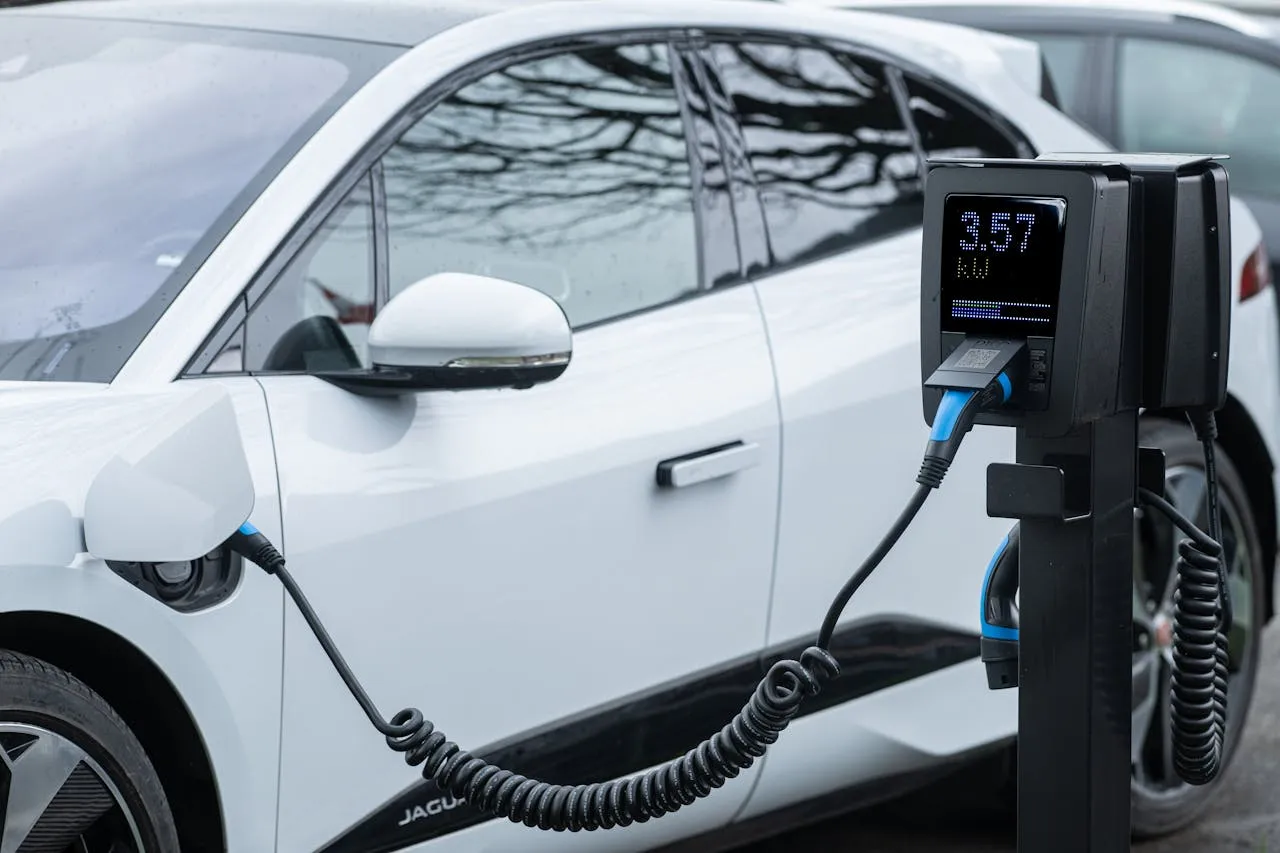
The website also provides guidance on charging solutions, covering scenarios such as home charging, workplace charging, and public charging networks. This is particularly important because charging accessibility remains one of the most common concerns among prospective EV buyers. While many current EV owners charge primarily at home, consumers living in apartments or older urban neighborhoods may face additional challenges related to infrastructure access.
By featuring drivers who successfully manage EV ownership without private garages or dedicated chargers, the platform helps demonstrate how charging solutions are evolving. Public fast-charging networks, workplace charging stations, and community charging programs are increasingly expanding the range of options available to consumers.
Another notable component of the hub is its AI-powered chat feature, which allows visitors to ask questions in plain language and receive personalized responses. This conversational tool is designed to simplify the research process for users who may feel intimidated by technical terminology or uncertain about where to begin learning about EVs.
Instead of navigating through lengthy manuals or industry reports, consumers can ask practical questions such as how long charging takes, whether EVs perform well in cold weather, or how ownership costs compare with gasoline vehicles. The AI-driven interface aims to create a more approachable and consumer-friendly experience for individuals at different stages of the vehicle shopping journey.
The launch of the Real Stories hub also reflects broader trends within the automotive industry as manufacturers and advocacy organizations work to normalize EV ownership among mainstream consumers. While government incentives, expanding charging infrastructure, and new vehicle launches continue to support market growth, public perception and consumer confidence remain essential factors influencing adoption rates.
Many potential buyers still have questions about reliability, charging convenience, resale value, and long-distance travel capability. Real-world testimonials can help bridge the gap between perception and reality by providing examples of how current owners are successfully addressing these issues in everyday life.
At the same time, the growing used EV market is opening additional pathways for adoption. Several stories featured on the platform involve drivers who purchased pre-owned electric vehicles as more affordable entry points into EV ownership. As more leased EVs enter the secondary market and battery durability continues to improve, used electric vehicles are expected to become an increasingly important segment of the industry.
This shift could play a major role in expanding accessibility, particularly for middle-income households and first-time EV buyers who may not be ready to purchase new premium-priced models. By including these perspectives, the Real Stories hub acknowledges that the EV market is diversifying not only geographically but also economically.
Ultimately, the ElectricForAll.org initiative highlights how electric vehicle adoption in the United States is transitioning from an emerging technology trend into a practical transportation choice for a growing range of consumers. The experiences shared through the platform reveal that EV ownership is no longer defined by a single demographic profile or lifestyle category.
Instead, electric mobility is becoming integrated into the everyday routines of Americans from different regions, income levels, and household structures. Through authentic storytelling, practical tools, and personalized guidance, the Real Stories hub seeks to make the transition to electric transportation feel more accessible, understandable, and relevant to consumers nationwide.
As the EV market continues to mature, platforms that focus on real-life experiences rather than abstract industry narratives may play an increasingly important role in shaping public understanding. For many prospective buyers, hearing directly from people who have already made the switch could become one of the most influential factors in deciding whether an electric vehicle fits into their own future.
Source Link:https://www.businesswire.com/