Oshkosh Defense, a business of Oshkosh Corporation, is showcasing its defense manufacturing capabilities, advanced vehicle technologies, and commitment to rapidly delivering mission-ready solutions at the Association of the United States Army (AUSA) Annual Meeting and Exposition 2026. The event takes place October 12–14 in Washington, D.C., bringing together military leaders, defense manufacturers, government representatives, and industry professionals to discuss the future of land warfare and military technology.
At booth 6941, Oshkosh Defense is highlighting how its industrial manufacturing experience, flexible production capabilities, and defense engineering expertise can help meet the changing operational requirements of the U.S. Army and allied military forces. The company is presenting selected vehicle platforms that demonstrate its approach to combining commercial manufacturing speed with military-grade performance, reliability, and adaptability.
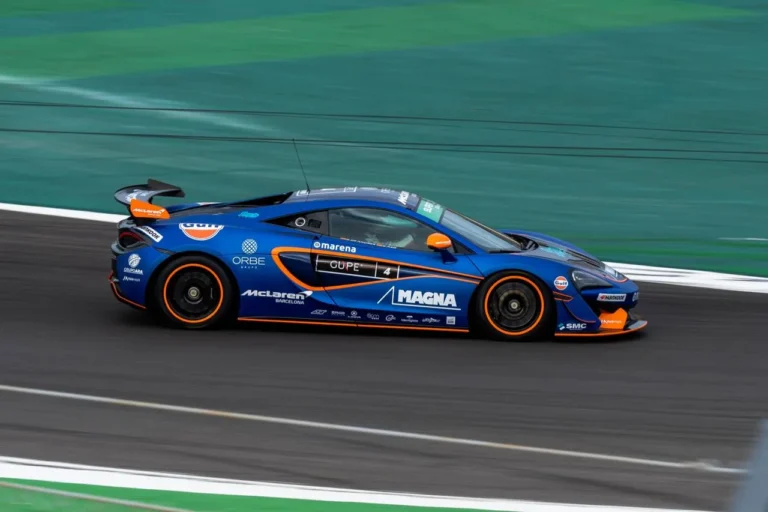
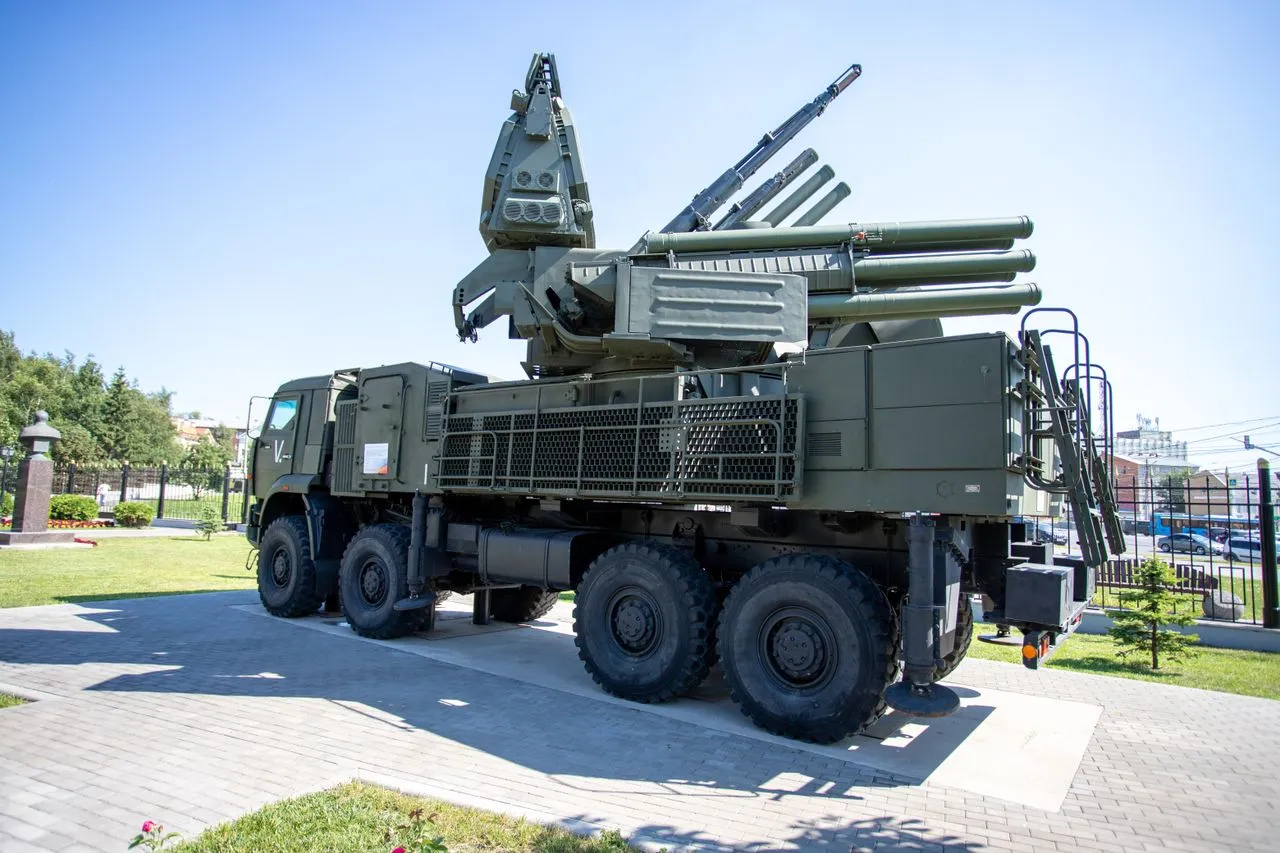
The featured displays include the Oshkosh Defense Family of Medium Tactical Vehicles A2 Low-Velocity Air Drop (FMTV A2 LVAD), the hybrid-electric Joint Light Tactical Vehicle (eJLTV), and a Racing Corvette from Pratt Miller. Together, these platforms illustrate the company’s experience across different vehicle applications and its ability to apply engineering knowledge, production methods, and technological innovation to evolving mission requirements.
The defense industry is operating in an environment where military requirements, operational threats, and technology are changing rapidly. Armed forces increasingly need vehicles and equipment that can be developed, manufactured, upgraded, and deployed without unnecessary delays.
Traditional defense acquisition processes can involve lengthy development cycles, complex testing requirements, and extensive procurement procedures. As military needs continue to evolve, defense manufacturers are under growing pressure to shorten delivery timelines while maintaining performance, safety, reliability, and survivability.
Oshkosh Defense is positioning its commercial manufacturing experience as an important advantage in addressing these challenges. The company combines industrial production discipline with defense-specific engineering knowledge to support the development and delivery of military vehicles and related capabilities.
According to Logan Jones, Chief Growth Officer at Oshkosh Defense, the company’s commercial background has influenced its approach to manufacturing and product development since its establishment.
Jones said the company welcomes the U.S. Army’s focus on developing an acquisition process that better reflects the speed of the modern battlefield. He explained that Oshkosh’s commercial experience in uptime, operating costs, safety, serviceability, and fleet management helps inform the way it develops, produces, and sustains defense capabilities.
This approach is intended to help move solutions from the concept stage to operational deployment more efficiently. By combining established manufacturing systems with adaptable engineering practices, Oshkosh Defense aims to support military customers seeking equipment that can respond to changing battlefield conditions.
One of Oshkosh Defense’s central messages at AUSA 2026 is the value of commercial manufacturing experience in the defense sector.
Oshkosh Corporation operates across commercial and specialty vehicle markets, giving the company experience in managing large-scale production, maintaining product quality, and supporting vehicles throughout their operational life cycles.
The company states that approximately 90% of its business is commercial. This experience provides a foundation for applying production practices, supply chain management, and operational lessons to military vehicle programs.
Commercial vehicle manufacturers regularly face demanding customer expectations involving delivery schedules, equipment availability, maintenance costs, product reliability, and long-term service support. These priorities also matter to military organizations, which depend on vehicles that can remain operational in demanding environments.
Oshkosh Defense seeks to apply these principles to military manufacturing by combining repeatable production processes with specialized defense requirements. Its approach emphasizes the importance of designing vehicles that are not only capable of performing their intended missions but are also practical to manufacture, maintain, repair, and upgrade.
Flexible production lines and modular vehicle platforms are also part of this strategy. These capabilities can help manufacturers accommodate changes in customer requirements, introduce new technologies, and adapt manufacturing processes as military priorities develop.
However, military vehicle production requires additional considerations beyond commercial manufacturing. Defense platforms must be designed for mission-specific performance, operational durability, transportation requirements, and the challenging conditions encountered by military personnel.
Oshkosh Defense’s objective is to bring these requirements together within a manufacturing model that emphasizes speed, scale, and long-term capability support.
The Family of Medium Tactical Vehicles A2 Low-Velocity Air Drop is one of the platforms featured at the company’s AUSA 2026 booth.
The FMTV family supports a range of military transportation and logistics requirements. Medium tactical vehicles play an important role in moving personnel, equipment, and supplies, helping military units maintain mobility and sustain operations.
The FMTV A2 represents an evolution of the vehicle family, while the Low-Velocity Air Drop configuration is associated with the delivery of compatible equipment and vehicles by air-drop methods. Such capabilities can be relevant when forces need to move supplies and equipment into locations where conventional ground transportation is difficult or where rapid deployment is required.
Air delivery can support military logistics by helping transport equipment to forward operating areas and locations with limited infrastructure. The ability to deliver suitable vehicles and supplies can contribute to operational flexibility, particularly when military units must establish or sustain operations across geographically challenging environments.
Displaying the FMTV A2 LVAD at AUSA gives Oshkosh Defense an opportunity to highlight its work in tactical vehicle manufacturing and its ability to address specialized military transportation requirements.
The platform also reinforces the company’s broader focus on combining manufacturing scale with vehicles designed for specific operational needs. For military customers, these considerations include the ability to transport essential equipment, support logistics operations, and maintain reliable performance during demanding missions.
Another major platform featured at the event is Oshkosh Defense’s hybrid-electric Joint Light Tactical Vehicle, known as the eJLTV.
Hybrid-electric technology is receiving increasing attention across the automotive and defense industries as manufacturers investigate new approaches to vehicle propulsion, energy management, and operational efficiency.
For military vehicles, electrification can offer potential advantages in selected operating conditions, depending on system design and mission requirements. Hybrid-electric architectures combine an internal combustion engine with electric propulsion or energy systems, creating opportunities to manage power differently from conventional vehicle configurations.
Potential areas of interest include onboard electrical power generation, improved energy management, and support for equipment that requires substantial electrical capacity. These considerations are becoming increasingly relevant as military vehicles incorporate more electronic systems, communications equipment, sensors, and other technology.
Hybrid-electric platforms may also provide opportunities to investigate reduced fuel consumption under appropriate operating conditions and quieter movement in certain modes, depending on the vehicle’s configuration. Actual benefits depend on factors such as vehicle weight, battery capacity, terrain, payload, driving patterns, and mission duration.
The eJLTV display at AUSA 2026 highlights Oshkosh Defense’s interest in adapting vehicle technology to meet emerging defense requirements.
As armed forces continue to assess the role of electrification in tactical fleets, manufacturers must consider more than propulsion technology alone. Military vehicles must retain the reliability, durability, maintainability, and operational flexibility required in demanding environments.
They must also account for the practical challenges of battery management, charging infrastructure, energy availability, and maintenance in locations where conventional support facilities may be limited.
By showcasing its hybrid-electric vehicle development, Oshkosh Defense can demonstrate how it is exploring new technologies while maintaining a focus on the operational requirements of military customers.
The Racing Corvette from Pratt Miller is another featured vehicle at the Oshkosh Defense booth.
Pratt Miller has experience in motorsports and advanced engineering, making its racing platform a demonstration of the broader technical capabilities associated with the Oshkosh organization.
Motorsports provides a demanding environment for engineering teams. Racing vehicles must operate under high-performance conditions while engineers continuously assess reliability, component behavior, vehicle dynamics, thermal performance, and system integration.
Race programs also require teams to evaluate performance data, identify potential problems, and implement technical improvements within competitive development schedules.
These engineering disciplines can offer useful insights for other vehicle applications. Although a racing car and a military tactical vehicle serve very different purposes, both require carefully integrated systems, effective testing, reliable components, and engineering teams capable of responding to complex technical challenges.
The Racing Corvette therefore complements the tactical vehicle displays by illustrating the range of engineering experience represented at the booth.
Its presence also supports Oshkosh Defense’s wider message that commercial and performance-oriented engineering expertise can contribute to the development of new capabilities. Applying lessons across vehicle sectors requires adaptation to each platform’s specific requirements, particularly when military vehicles must meet demanding durability and survivability standards.
The display provides visitors with an opportunity to explore how manufacturing, engineering, testing, and technology integration can support innovation across different vehicle categories.
AUSA 2026 provides Oshkosh Defense with an opportunity to discuss the production methods and engineering principles that underpin its approach to military manufacturing.
The company emphasizes flexible production lines and modular vehicle platforms as important elements of its ability to respond to evolving defense requirements.
Flexible manufacturing can help manufacturers adjust production activities when customer demand, component availability, or product specifications change. It can also support the introduction of updated systems and configurations, provided that the necessary engineering, testing, and quality requirements are satisfied.
Modular platforms offer another potential advantage by allowing selected components, systems, or configurations to be adapted without redesigning an entire vehicle from the beginning. Depending on the architecture, modularity can support technology integration, maintenance, configuration changes, and future upgrades.
For military organizations, these capabilities matter because operational requirements rarely remain static over the full service life of a vehicle fleet.
New communications systems, electronic equipment, mission packages, and other technologies can create demands for additional integration work. Vehicle manufacturers must consider how to accommodate these changes while maintaining reliability and controlling the time and cost associated with upgrades.
Oshkosh Defense’s manufacturing approach aims to bring together the industrial capacity required for large production programs and the flexibility needed to respond to these changing demands.
The company also highlights its experience delivering more than 200,000 tactical wheeled vehicles to U.S. and allied forces. This track record demonstrates its involvement in large-scale military vehicle manufacturing and provides context for its emphasis on production capacity and established defense experience.
Delivering military vehicles is only one part of supporting defense operations. Maintaining them throughout their service lives is equally important.
Military fleets must remain available for training, transportation, logistics, and operational deployments. Unexpected maintenance requirements or extended equipment downtime can affect readiness and create additional costs for defense organizations.
Oshkosh Defense identifies uptime, cost, safety, serviceability, and fleet operations as important considerations in its approach to product development and support.
These factors are also significant in commercial transportation, where vehicle availability directly affects operating efficiency and customer service. Commercial fleet operators often use maintenance planning, service networks, and lifecycle cost analysis to keep equipment productive.
Applying comparable disciplines to defense vehicles requires consideration of military-specific operating conditions, including demanding terrain, extended deployments, and potentially limited access to maintenance facilities.
Designing for serviceability can help maintenance personnel access components and perform necessary repairs more efficiently. Lifecycle planning can also help organizations assess the broader cost of owning and operating a fleet rather than focusing exclusively on the initial purchase price.
For defense manufacturers, these considerations must be balanced with requirements involving protection, mission performance, technology integration, and vehicle durability.
Oshkosh Defense’s participation in AUSA 2026 highlights the importance of treating manufacturing, maintenance, and long-term fleet support as connected parts of military capability delivery.
The Association of the United States Army Annual Meeting and Exposition serves as a major meeting point for organizations involved in military equipment, technology, logistics, and defense planning.
The 2026 event in Washington, D.C., gives companies such as Oshkosh Defense a platform to present their capabilities and engage with stakeholders across the U.S. Army and wider defense community.
Discussions surrounding military modernization increasingly involve the relationship between industrial capacity, technological development, procurement timelines, and operational readiness.
Defense organizations need suppliers capable of delivering equipment at the required scale while maintaining strict quality and performance standards. They also need systems that can accommodate new technologies and remain supportable throughout their service lives.
Oshkosh Defense’s exhibition strategy addresses these themes through its combination of tactical vehicles, hybrid-electric technology, performance engineering, and commercial manufacturing experience.
Visitors to booth 6941 can learn more about the company’s approach to developing adaptable, connected, and survivable systems for U.S. and allied forces.
The featured platforms also provide a starting point for conversations about how engineering expertise and production capabilities can help address evolving military requirements.
Oshkosh Defense’s participation in AUSA 2026 underscores the growing importance of manufacturing speed, production flexibility, and technology integration in the defense vehicle industry.
By presenting the FMTV A2 LVAD, hybrid-electric Joint Light Tactical Vehicle, and Pratt Miller Racing Corvette, the company is highlighting capabilities that span tactical transportation, emerging propulsion technologies, and performance-oriented engineering.
Its emphasis on commercial manufacturing experience reflects an approach that connects production scale, vehicle reliability, serviceability, and lifecycle support with the specific needs of military customers.
With a stated history of delivering more than 200,000 tactical wheeled vehicles to U.S. and allied forces, Oshkosh Defense is using the event to demonstrate the experience and industrial capabilities it brings to defense manufacturing.
As military requirements continue to evolve, the ability to develop, manufacture, maintain, and upgrade mission-ready vehicles efficiently will remain an important consideration for defense organizations and their industry partners.
Through its presence at AUSA 2026, Oshkosh Defense is reinforcing its focus on combining established manufacturing expertise with adaptable engineering and technology development to support the future needs of military fleets.
Source Link:https://www.businesswire.com/