The global marine industry is undergoing a profound transformation as sustainability, electrification, and digital innovation redefine how boats are designed, powered, and operated. Reflecting this shift, the “Electric Boat Market, Till 2035: Distribution by Type of Boat, Type of Battery, Type of Boat Power, Type of Boat Size, Type of Application and Geographical Regions: Industry Trends and Global Forecasts” report has been added to ResearchAndMarkets.com’s expanding portfolio of maritime and clean mobility intelligence.
According to the report, the global electric boat market is valued at approximately USD 6.01 billion in 2025 and is projected to reach USD 20.1 billion by 2035, expanding at a compound annual growth rate (CAGR) of around 11.59% during the forecast period. This strong growth outlook highlights the accelerating adoption of electric propulsion technologies across recreational, commercial, and defense marine segments worldwide.
For decades, conventional marine vessels powered by internal combustion engines have posed significant risks to marine ecosystems. Oil spills, fuel leakage, underwater noise pollution, and greenhouse gas emissions have collectively contributed to ocean degradation and climate change. As regulatory scrutiny increases and environmental awareness deepens, the marine industry is facing mounting pressure to transition toward cleaner alternatives.
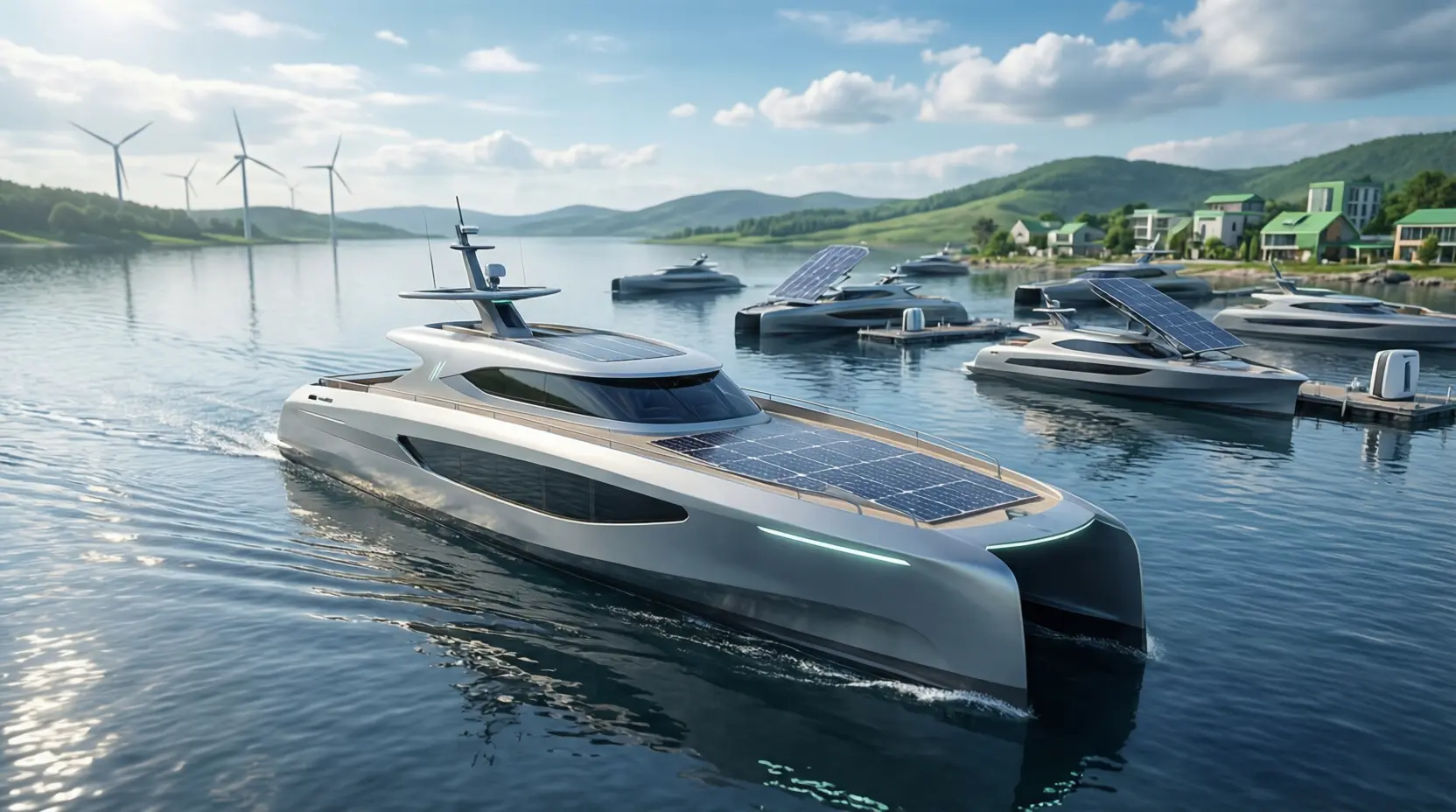
Electric boats present a compelling solution. Powered by battery systems and, in some cases, renewable energy sources such as solar and wind, electric vessels eliminate direct exhaust emissions and significantly reduce noise pollution. These benefits make them particularly attractive for inland waterways, coastal zones, protected marine areas, and urban harbors where environmental preservation is a top priority.
In addition to environmental advantages, electric boats offer lower operating costs, reduced maintenance requirements, and smoother maneuverability, further strengthening their appeal to both individual consumers and fleet operators.
Rapid innovation in electric propulsion and marine electronics is playing a critical role in unlocking the market’s full potential. The report highlights several technology-driven developments that are accelerating adoption across boat categories.
One of the most significant drivers is progress in battery technology, particularly improvements in energy density, charging speed, durability, and safety. These advancements are enabling longer operating ranges, faster turnaround times, and improved performance, addressing many of the historical limitations associated with electric marine propulsion.
Equally important are innovations in boat condition monitoring software, smart onboard display systems, and digital control platforms. These technologies provide real-time performance insights, predictive maintenance capabilities, and enhanced user experience, making electric boats easier to operate and manage.
Additional advances in stabilization systems, antifreeze technologies, and thermal management are further enhancing reliability in diverse operating environments, from cold-water regions to high-performance commercial applications.
Battery systems represent the technological backbone of electric boats, and their evolution is central to the market’s expansion. While lead-acid batteries currently account for the largest share of installed capacity, primarily due to their lower upfront cost and established supply chains, their dominance is expected to diminish over time.
Lithium-ion batteries are rapidly gaining traction and are forecast to register the fastest growth rate through 2035. With efficiencies reaching up to 98%, lithium-ion systems offer longer lifespans, lighter weight, faster charging, and superior energy density compared to traditional alternatives. These advantages are prompting substantial investment in battery manufacturing, charging infrastructure, and next-generation marine energy storage solutions.
As costs continue to decline and safety standards improve, lithium-ion technology is expected to become the preferred choice across most electric boat segments.
The electric boat market is broadly categorized into fully electric boats and hybrid electric boats. Currently, hybrid vessels dominate market share due to their operational flexibility. By combining internal combustion engines with electric propulsion, hybrid boats offer extended range, reduced emissions, and improved fuel efficiency, making them an attractive transitional solution.
However, the fully electric boat segment is projected to grow at a faster CAGR over the forecast period. Zero-emission operation, simpler mechanical systems, and lower maintenance requirements position fully electric boats as the long-term solution, particularly as charging infrastructure expands and battery performance improves.
Electric boats with power ratings between 5 kW and 30 kW currently account for the largest share of the market. These vessels are widely used in recreational boating, short-distance transport, and inland waterway applications.
Looking ahead, boats with power outputs exceeding 30 kW are expected to experience faster growth. Enhanced fast-charging capabilities, higher torque output, and emission-free operation are making higher-powered electric boats increasingly viable for commercial operations, passenger ferries, and specialty marine services.
Boats measuring up to 20 feet in length represent the largest market segment today, driven by strong demand for leisure craft, personal water transport, and tourism-related activities. These vessels are well-suited to electric propulsion due to their relatively low energy requirements and predictable usage patterns.
In contrast, boats exceeding 50 feet are anticipated to record the fastest growth rate through 2035. This expansion reflects rising adoption in commercial, charter, and utility applications, where operators are prioritizing zero-emission solutions to meet regulatory mandates and corporate sustainability goals.
Recreational boating currently dominates the electric boat market, supported by growing environmental awareness among consumers and the appeal of quiet, vibration-free operation. Electric boats are increasingly favored for lakes, rivers, and coastal tourism due to their minimal environmental footprint.
That said, commercial and military applications are emerging as important growth areas. Electric propulsion offers strategic advantages such as reduced acoustic signatures, lower fuel logistics dependency, and improved operational efficiency, making it attractive for defense patrols, surveillance vessels, and specialized commercial fleets.
Europe currently holds the leading share of the global electric boat market. Strong environmental regulations, supportive government policies, and the presence of established marine technology companies have created a favorable ecosystem for electric marine innovation. Inland waterways and protected marine zones across the region have further accelerated demand for low-emission vessels.
North America is expected to register robust growth over the forecast period. Increasing investment in clean transportation, coupled with rising adoption in defense, environmental monitoring, and commercial applications, is driving market expansion. Federal and state-level sustainability initiatives are also contributing to broader acceptance of electric marine technologies.
The report delivers in-depth analysis across multiple dimensions of the electric boat market, including:
These insights enable manufacturers, investors, policymakers, and fleet operators to make informed decisions and identify high-growth opportunities.
The competitive landscape includes, but is not limited to:
Candela Technology, Duffy Electric Boat, Eco Marine Power, Elco Motor Yachts, Evoy, Ferretti, LEHR, Misty Harbor Boats, Nibbi, Pure Watercraft, RAND Boats, Ruban Bleu, Siemens, Silent Yachts, Symphony Boat, Torqeedo, and Vision Marine Technologies.
Source Link:https://www.businesswire.com/