High-speed police pursuits, emergency responses and active crime scenes are among the most unpredictable situations on American roads. In these moments, drivers are often required to make immediate decisions based on flashing lights, sirens, police gestures, barricades, emergency vehicles and rapidly changing traffic patterns. According to traffic safety advocate Amy Witherite, founder of Witherite Law Group, autonomous vehicles must demonstrate that they can respond to these situations as reliably as human drivers before their use is expanded further.
Witherite is raising questions about whether autonomous vehicles are prepared to handle some of the most complicated and dangerous circumstances that can occur on public roads. Her concerns come as driverless vehicles continue to operate in major U.S. cities and as regulators, technology companies and local governments debate how quickly autonomous vehicle fleets should expand.
“Every local newsroom has archived footage of high-speed pursuits, the split-second moments when officers, sirens and blocked lanes demand an instant reaction,” Witherite said. She argues that recent incidents involving autonomous vehicles demonstrate that the technology can still struggle when normal traffic conditions suddenly change because of police activity or other emergencies.
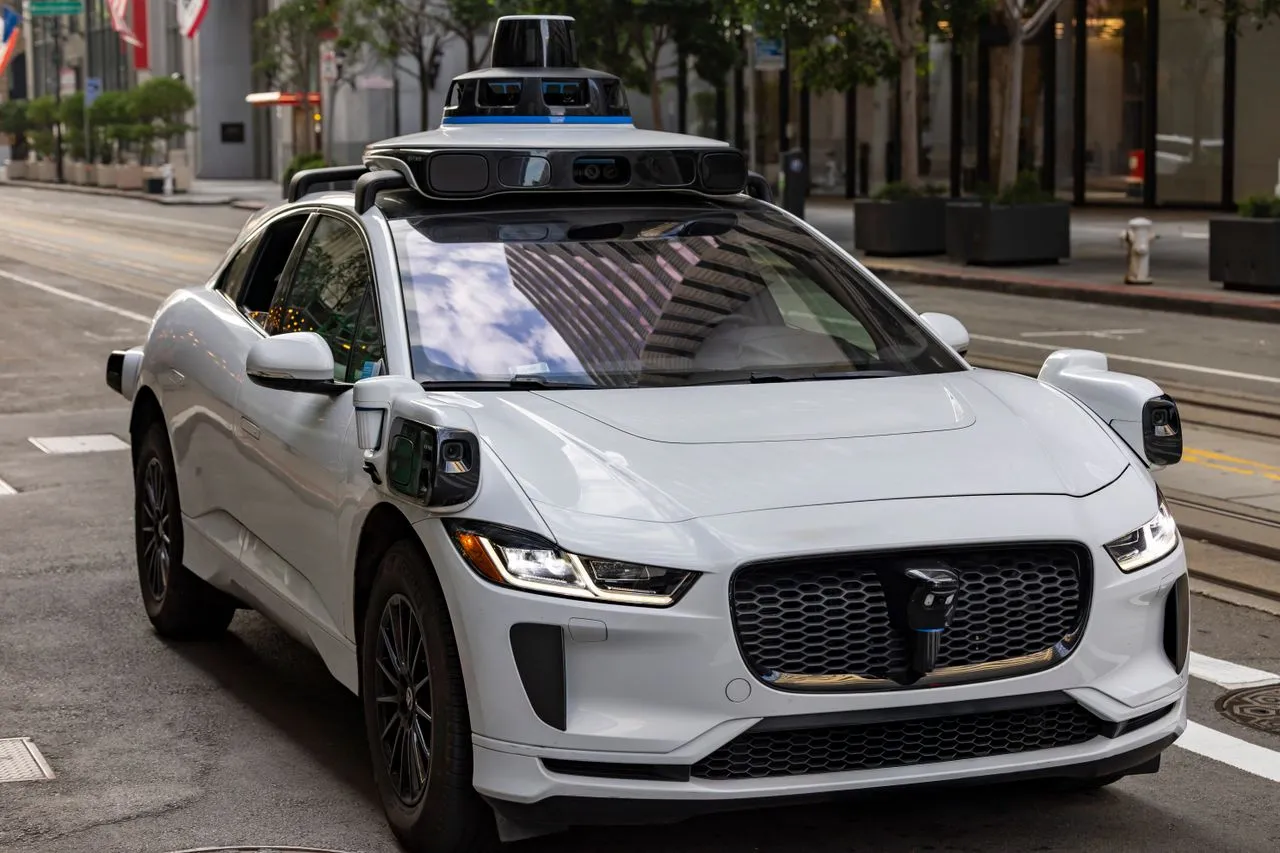
Autonomous driving systems are designed to interpret their surroundings through cameras, sensors, mapping systems and other technologies. Under normal circumstances, these systems can identify lanes, traffic signals, pedestrians and other vehicles and make decisions based on programmed driving rules.
Emergency situations, however, can be considerably more complicated.
A police vehicle traveling against normal traffic patterns, an officer standing in the roadway, a temporary barricade or an ambulance attempting to reach an emergency can create conditions that differ significantly from routine driving. Human drivers may rely on experience and contextual clues to understand what is happening and determine that they must stop, move aside or follow an officer’s direction.
Witherite believes autonomous vehicles must be tested against these circumstances with the same seriousness applied to other safety-critical scenarios.
“A human driver knows what a flashing light, a raised hand or a barricade means, and reacts instantly,” Witherite said. “These vehicles are proving, on video, again and again, that they don’t.”
Her argument is that the issue extends beyond theoretical concerns about future technology. She points to several documented incidents involving autonomous vehicles that she says demonstrate the challenges driverless systems can face when confronted with police activity and emergency situations.
One of the incidents cited by Witherite occurred in San Francisco and involved a Waymo autonomous vehicle during a police pursuit.
According to reports referenced by Witherite, the vehicle traveled through a construction zone on Highway 101 while police were involved in a pursuit. The incident attracted attention because of the unusual circumstances surrounding an autonomous vehicle encountering an active law enforcement situation.
Construction zones can already present challenges for human drivers. Lanes may shift, barriers can narrow available roadway space and traffic patterns may change quickly. When a police pursuit is added to the situation, drivers must also account for emergency vehicles, officers and other road users.
For an autonomous vehicle, the challenge is determining which signals should take priority and how the vehicle should respond when normal roadway rules conflict with emergency activity.
Witherite argues that such incidents should become part of broader testing requirements for autonomous vehicle manufacturers.
Rather than evaluating vehicles only under predictable traffic conditions, she believes regulators should require companies to demonstrate how their systems behave when confronted with complex emergencies, including police pursuits, road closures, active crime scenes and emergency response operations.
Another incident cited by Witherite occurred in Los Angeles, where a driverless Waymo vehicle reportedly came within close proximity of an armed felony stop after officers instructed it to move away.
An armed police stop is an especially sensitive situation because officers may be responding to a potentially dangerous suspect. Unnecessary vehicles entering or remaining in the area can complicate an already volatile scene.
For a human driver, visible police activity, weapons, emergency lights and officers directing traffic would normally provide multiple indications that the area should be avoided. Autonomous vehicles must instead interpret those circumstances through their sensor systems and decision-making software.
Witherite says incidents like this raise an important question: What happens when an autonomous vehicle does not recognize the urgency of a police operation quickly enough?
The issue is not simply whether the vehicle eventually moves. In an emergency, the timing of the response can be critical. A delay of only a few seconds could interfere with police operations, block an emergency route or expose passengers and first responders to additional risk.
A separate incident in Atlanta has also raised concerns about how autonomous vehicles respond to emergency barricades.
According to the incident cited by Witherite, a Waymo vehicle bypassed barricades and entered an active shooting scene. An officer reportedly had to intervene and move the vehicle away from the area.
Active shooting scenes represent some of the most dangerous environments that law enforcement and emergency personnel encounter. Police may establish perimeters and roadblocks specifically to keep civilians away from the threat and provide responders with room to work.
A vehicle entering such an area can create an additional obstacle for officers.
The incident also illustrates why autonomous vehicles may need to understand more than standard traffic signals. A barricade placed in an unusual location may not resemble a conventional road sign, yet it can carry an extremely important instruction: do not proceed.
Witherite argues that autonomous systems should be capable of recognizing the broader context surrounding such barriers and responding appropriately.
Witherite also points to an incident in Austin involving an autonomous vehicle during a mass-shooting response.
According to the information cited in her statement, a Waymo vehicle reportedly blocked an ambulance and crossed into an area associated with a police line of fire during the emergency response.
Emergency vehicles depend on clear access to reach people who need immediate medical attention. Ambulances may need to move quickly through intersections, traffic lanes and other restricted areas. Police responding to a mass shooting or similar incident also require sufficient space to establish a secure perimeter.
A vehicle that stops in the wrong location or continues moving when emergency personnel need the roadway could potentially interfere with those operations.
For Witherite, the Austin incident reinforces the need for autonomous vehicle manufacturers to demonstrate that their systems can identify emergency conditions and prioritize the safety needs of first responders.
The incidents cited by Witherite share a common theme: autonomous vehicles may perform well when traffic behaves predictably, but emergency situations can require a different type of decision-making.
A conventional driving system can be programmed to follow traffic lights, remain within lanes and maintain a safe distance from other vehicles. Emergency scenes introduce exceptions to many of those ordinary rules.
A police officer may temporarily direct traffic through a red light. An ambulance may travel in a way that differs from normal traffic. A road may suddenly be closed because of a crime scene. Barricades may appear where they normally would not exist. Officers may stand in the roadway and use gestures rather than traditional signs.
Human drivers are expected to recognize these situations and respond accordingly.
Witherite believes autonomous vehicles should be held to a similarly high standard.
“In each case, the vehicle had seconds to read an emergency signal and instead defaulted to ordinary traffic behavior at the moment a human driver would yield,” she said.
Her concern is particularly relevant as autonomous vehicle deployments expand into more cities and operate for longer hours. The more vehicles that share public roads, the more frequently they are likely to encounter unusual situations.
The debate over autonomous vehicle safety is also taking place at the regulatory level.
San Francisco Mayor Daniel Lurie has called on California regulators to establish new standards governing autonomous vehicles during emergency situations. The request reflects growing interest among local officials in ensuring that driverless fleets can safely interact with police, firefighters, ambulances and other emergency responders.
On July 8, 2026, the National Highway Traffic Safety Administration, or NHTSA, directed autonomous vehicle manufacturers, including Waymo and Tesla, to address a defect involving vehicles failing to respond appropriately to emergency situations.
The regulatory action adds another dimension to the debate. Autonomous vehicle manufacturers are not only responsible for developing technology that can navigate everyday roads; they must also demonstrate that their systems can safely respond to situations that are difficult to predict.
As government agencies examine the technology, companies will face increasing pressure to show that their vehicles can recognize emergency signals and respond consistently.
The incidents also raise questions about responsibility when an autonomous vehicle makes a dangerous decision.
With traditional vehicles, determining responsibility after a crash can involve examining the driver’s behavior, road conditions, vehicle maintenance and other factors. Autonomous vehicles can introduce additional questions involving software, sensors, mapping data, manufacturers and fleet operators.
Witherite, whose work focuses on traffic safety and legal issues, says these questions deserve attention as autonomous technology becomes more common.
If a driverless vehicle blocks an ambulance, enters a restricted police area or fails to respond to an officer’s instructions, questions may arise about who should be accountable for the consequences.
Those questions could become increasingly significant as cities allow larger autonomous fleets to operate on public roads.
Witherite is calling on regulators and autonomous vehicle manufacturers to demonstrate that these systems can reliably respond to emergency conditions before autonomous fleets are expanded.
She argues that testing should go beyond ordinary traffic scenarios and include realistic simulations of high-risk events. Such testing could include police pursuits, emergency vehicle approaches, temporary barricades, active crime scenes, mass-casualty incidents and officers directing traffic manually.
The goal would be to determine whether autonomous vehicles can recognize the situation, identify the appropriate response and execute that response quickly enough to protect passengers and other road users.
Testing could also help regulators establish measurable standards. Rather than relying on general claims about autonomous driving safety, manufacturers could be required to demonstrate performance under specific emergency conditions.
Autonomous vehicle technology continues to develop rapidly, and supporters argue that driverless systems have the potential to improve mobility and reduce certain types of human driving errors. However, public acceptance will depend heavily on confidence in the technology’s ability to handle unexpected situations.
For Witherite, emergency response is one of the clearest tests of that capability.
“Regulators are catching up to what these videos already show,” Witherite said. “Until these companies can prove their vehicles reliably yield to responders, cities should be asking hard questions before expanding these fleets.”
Her comments highlight a broader challenge for the autonomous vehicle industry. Success cannot be measured only by how a vehicle performs during ordinary commutes. Driverless technology will also be judged by how it responds when conditions suddenly become chaotic and every second matters.
As autonomous vehicles become more common on American streets, the ability to recognize police activity, emergency vehicles, barricades and other unusual road conditions will remain a central safety issue. Manufacturers, regulators and local governments will need to determine whether existing systems are prepared for those challenges and what additional safeguards may be necessary.
Ultimately, the debate is not simply about whether autonomous vehicles can drive without a human behind the wheel. It is about whether they can make the right decision when the normal rules of the road are temporarily replaced by an emergency—and whether they can do so quickly enough to protect passengers, first responders and the public.
Source Link:https://www.businesswire.com/