Aurora Innovation, Inc. is outlining an ambitious long-term growth strategy for autonomous trucking as the company hosts its 2026 Analyst and Investor Day. The event is giving investors and industry stakeholders a closer look at Aurora’s commercial driverless trucking operations and the technologies, partnerships and production capabilities the company believes can support large-scale deployment over the coming years.
At the center of Aurora’s strategy is a 2030 vision calling for more than 30,000 driverless trucks in operation. The company expects this fleet to support a multi-billion-dollar revenue opportunity while creating a business model with software-like gross margins through its Driver as a Service (DaaS) offering.
The announcement comes as Aurora says it has reached an important transition point in the development of its autonomous trucking business. After years of technology development, testing and commercial preparation, the company is now focused on expanding its driverless operations, increasing vehicle production and responding to growing customer demand.
Aurora co-founder and CEO Chris Urmson said the company has moved beyond the development phase and entered a period focused on commercial expansion.
According to Aurora, transformative technologies often require years of engineering, testing and validation before reaching a point where they can be deployed at meaningful scale. The company believes autonomous trucking has now reached that stage.
During Analyst and Investor Day, leadership and ecosystem partners are expected to explain how Aurora is combining autonomous-driving software, commercial vehicle hardware, manufacturing partnerships and customer demand to build a scalable freight operation.
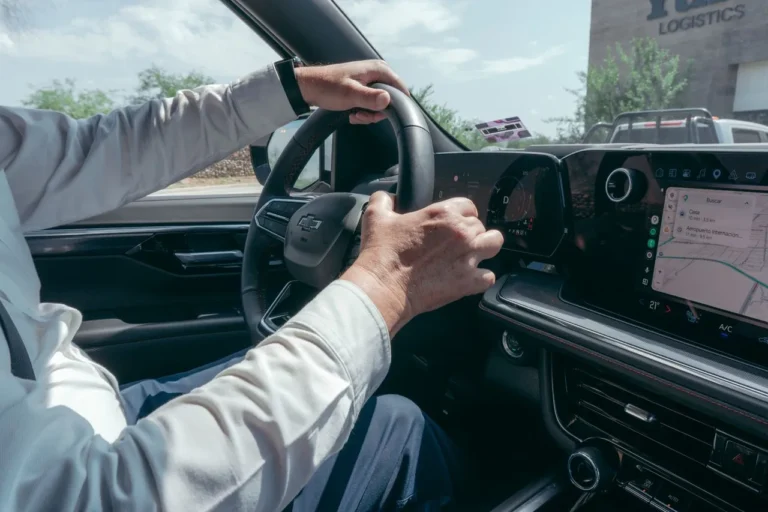
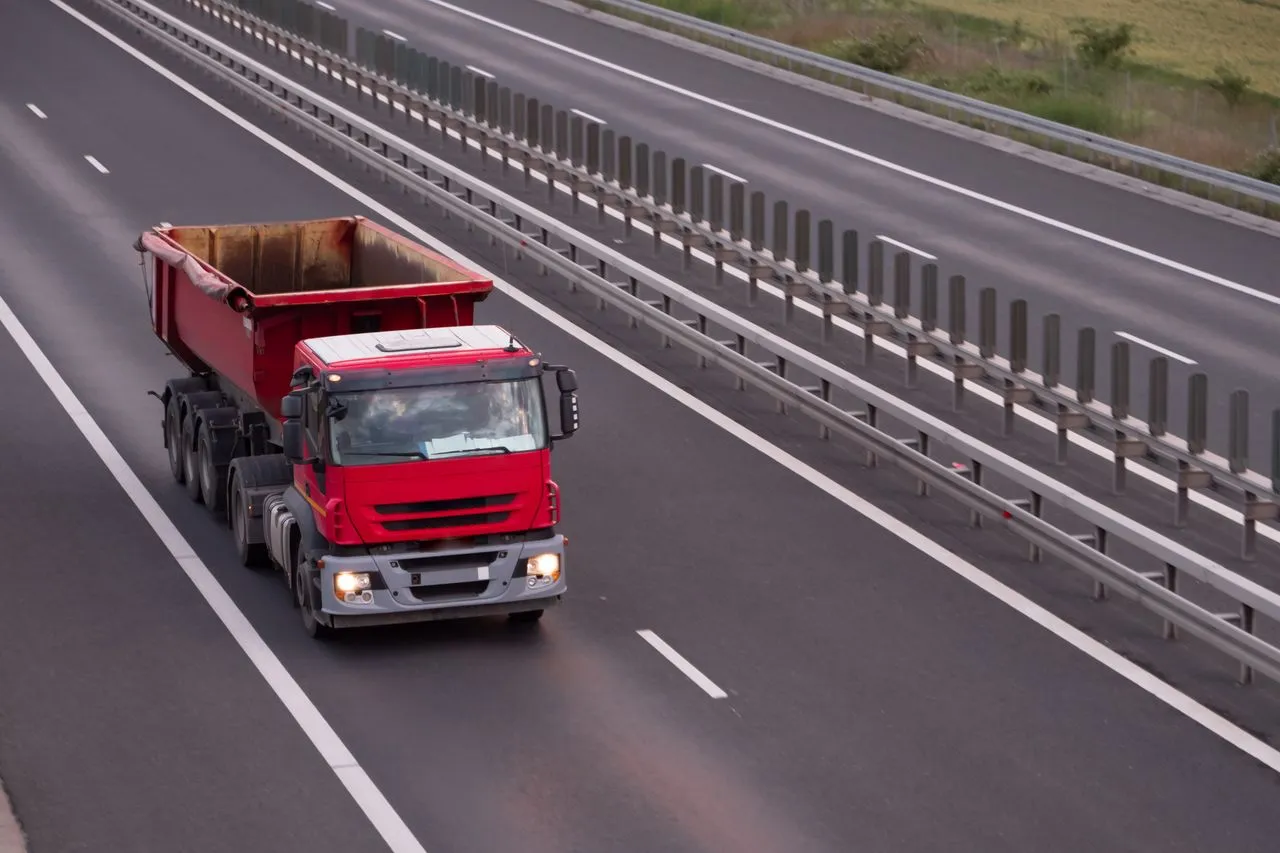
One of the demonstrations planned for the event gives attendees an opportunity to experience Aurora Driver-powered trucks operating without a person behind the wheel. The ride is taking place on part of Aurora’s Dallas-to-Houston commercial route, one of the important corridors in the company’s autonomous trucking network.
Aurora says the demonstration is intended to provide investors with direct exposure to its commercial technology rather than simply showcasing the system in a controlled testing environment.
Customer adoption is becoming an increasingly important part of Aurora’s commercial strategy.
The company says it has nearly doubled the number of driverless customers during 2026 as the supply of autonomous trucks accelerates. Aurora expects to exit the year with 200 driverless trucks operating under Transport as a Service (TaaS) agreements.
Under the TaaS model, Aurora operates autonomous trucking services for customers, allowing fleets and freight operators to use driverless transportation without having to build their own autonomous-driving technology infrastructure.
The company is also expanding its strategy through Driver as a Service agreements. Hirschbach, one of Aurora’s customers, plans to scale its autonomous fleet with an intention to own and operate 500 trucks through a DaaS agreement. Deliveries of those trucks are expected to begin in 2027.
Aurora said it is also in negotiations with several additional customers regarding DaaS agreements. If these agreements progress, the model could become an increasingly important component of Aurora’s long-term commercial strategy.
The shift toward customer-owned autonomous vehicles represents a potential evolution in the autonomous trucking market. Rather than Aurora retaining ownership of every vehicle, DaaS allows customers to own and operate trucks equipped with Aurora’s autonomous-driving technology while accessing the company’s software and associated services.
Aurora is also highlighting vehicle utilization as an important economic advantage of autonomous trucking.
The company says Aurora Driver-powered trucks operating for customers including McLane and Werner are averaging an annualized rate of more than 225,000 miles per year. Aurora says this is more than twice the utilization of a traditional truck.
Higher utilization can potentially allow freight operators to move more goods using the same physical assets. For autonomous trucking providers, increased utilization is particularly important because the economics of the technology depend not only on removing driving-related labor requirements but also on keeping autonomous vehicles productive for longer periods.
Aurora believes its commercial operations can eventually demonstrate the value of continuous and highly utilized freight transportation.
The company has also reported more than 500,000 driverless miles completed since its commercial launch. Aurora is positioning this accumulated mileage as evidence of the growing operational experience of its autonomous-driving system.
The company says its safety performance is a central element of its commercial strategy. Aurora describes its Driver technology as being engineered to provide a high level of safety based on its autonomous-driving capabilities and operational experience.
Aurora is planning a Partner Summit following Analyst and Investor Day, bringing together several dozen current and prospective customers.
The summit is designed to provide freight companies with more information about Aurora’s autonomous trucking platform and the customer experience surrounding driverless operations.
As autonomous trucking moves from pilot programs toward broader deployment, customer experience will become increasingly important. Fleet operators need more than an autonomous vehicle itself. They also require processes for vehicle deployment, maintenance, routing, freight operations, support and integration with existing transportation networks.
Aurora says it is working to develop a seamless customer experience that can support companies as they introduce autonomous trucks into their fleets.
The company’s growing customer base also gives Aurora an opportunity to collect operational experience across different freight applications and transportation networks.
Software is only one component of Aurora’s autonomous trucking platform. The company is also focused on reducing the cost and increasing the durability of the hardware required to operate autonomous vehicles.
Aurora says its second-generation commercial hardware kit has been engineered for an operating lifespan of one million miles. At the same time, the company says the system reduces hardware costs by more than half compared with its previous generation.
Lower hardware costs are an important milestone for Aurora as it works toward positive gross profit.
Autonomous trucks require a range of sensors, computing systems and other components that enable the vehicle to perceive its environment and make driving decisions. Bringing down the cost of those systems while maintaining the required performance and durability is therefore critical to achieving large-scale commercial deployment.
Aurora is also expanding its vehicle-upfitting capacity. Roush has begun volume upfitting of Aurora-equipped trucks and is targeting production of 20 trucks per week in October.
Increasing the pace of vehicle production will be essential if Aurora is to move from hundreds of autonomous trucks toward thousands and eventually tens of thousands of vehicles.
Aurora is pursuing a vehicle-agnostic strategy, allowing its autonomous-driving technology to be integrated with multiple truck platforms.
The Aurora Driver is currently being upfitted onto the International LT Series truck. The system is also integrated directly into the Volvo VNL Autonomous at Volvo’s New River Valley facility in Virginia.
This approach allows Aurora to work with different truck manufacturers and accommodate customers with different fleet preferences.
Aurora’s relationship with PACCAR represents another important part of this strategy. The two companies are jointly defining a path toward a scalable launch of Aurora’s third-generation commercial hardware kit.
The future system is expected to be integrated with PACCAR’s autonomy-enabled platform directly on the manufacturer’s assembly lines.
Line integration could eventually provide a more efficient method of producing autonomous trucks than installing autonomous systems after vehicles have already left the factory. As volumes increase, factory integration could become increasingly important for achieving the production levels Aurora is targeting.
The centerpiece of Aurora’s Analyst and Investor Day presentation is its 2030 vision.
Aurora is targeting more than 30,000 driverless trucks in operation by the end of the decade. The company expects this fleet to generate a multi-billion-dollar revenue stream and support SaaS-like gross margins under its DaaS business model.
Reaching 30,000 vehicles would represent a substantial expansion from Aurora’s current commercial fleet. Achieving that scale would require continued progress across several areas, including autonomous-driving technology, safety validation, vehicle production, customer adoption, manufacturing partnerships and supporting infrastructure.
Aurora’s strategy is therefore not limited to developing autonomous-driving software. The company is building an ecosystem intended to support the production, deployment and operation of large numbers of autonomous trucks.
The company believes its combination of technology, manufacturing relationships and customer demand provides the foundation for that expansion.
Financial performance is another major component of Aurora’s long-term strategy.
Aurora CFO David Maday said the company believes the commercial momentum it is building provides the foundation for future market growth and places the business on a path toward profitability.
Reducing hardware costs, increasing vehicle utilization and expanding customer deployments are all important factors in Aurora’s effort to improve the economics of autonomous trucking.
The company’s DaaS model is particularly significant because recurring software and service revenue could provide a different financial profile from conventional truck manufacturing. Aurora expects its autonomous-driving technology and associated services to eventually produce gross margins more comparable to software-oriented businesses.
However, reaching that model at scale will depend on continued growth in the autonomous fleet, customer adoption and operational efficiency.
Aurora’s 2026 Analyst and Investor Day reflects a broader transition in the company’s business strategy. The focus is increasingly shifting from proving that autonomous trucks can operate commercially to determining how quickly the technology can be deployed across freight networks.
The company’s more than 500,000 driverless miles, expanding customer base, growing production capacity and partnerships with truck manufacturers provide the foundation for its next stage of development.
The planned 200 driverless trucks operating through TaaS agreements by the end of 2026 would provide a larger commercial base, while the planned Hirschbach DaaS deployment beginning in 2027 would introduce another pathway for expanding autonomous fleets.
Aurora’s 2030 target of more than 30,000 driverless trucks represents a significantly larger scale and will require the company to continue reducing hardware costs, increasing manufacturing throughput and expanding customer relationships.
For the freight industry, the development of autonomous trucking could have implications for how long-haul transportation networks are operated, how vehicles are utilized and how transportation companies structure their fleets.
Aurora is positioning its technology as a platform designed to address these opportunities while building a recurring commercial business around autonomous freight transportation.
As the company moves deeper into commercial deployment, its ability to translate autonomous-driving technology into reliable, scalable and economically sustainable operations will remain central to its long-term growth strategy.
Source Link:https://www.businesswire.com/