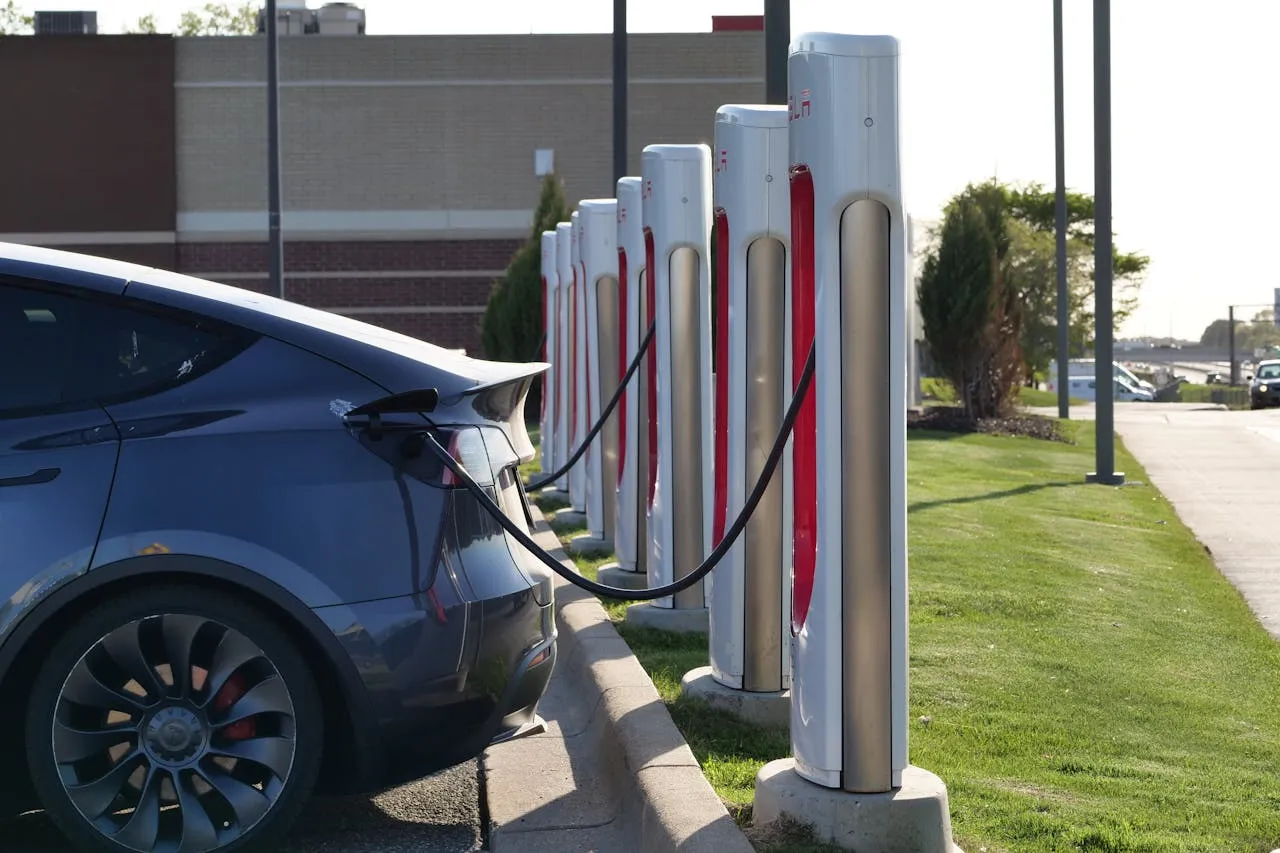
As electric vehicles continue gaining momentum across the United States, businesses in multiple sectors are adapting to meet the changing expectations of consumers. From retail chains and hotels to convenience stores and restaurants, companies are increasingly exploring ways to integrate electric vehicle infrastructure into their operations. Now, Bojangles, the popular Southern restaurant chain known for its signature biscuits, fried chicken, and bold flavors, is taking a significant step into the evolving transportation landscape by launching its first electric vehicle charging station in Savannah, Georgia.
The company’s move marks more than simply adding charging equipment to a parking lot. It represents a broader shift in how quick-service restaurants may serve consumers in the future. By introducing what it calls a “charge-and-dine” experience, Bojangles is aiming to transform charging stops into more enjoyable and productive moments for travelers and everyday commuters alike.
Located at 4401 Ogeechee Road in Savannah, Georgia, the newly launched EV charging station signals the beginning of a larger initiative that could reshape how customers interact with the restaurant brand. As electric vehicle ownership expands nationwide, Bojangles sees an opportunity to redefine the traditional roadside stop by blending convenience, hospitality, and sustainability into a single customer experience.
The rise of electric vehicles has created new demands for infrastructure across the country. Unlike gasoline-powered vehicles that can refuel in a matter of minutes, EVs often require drivers to stop for longer charging sessions depending on the charger type and battery condition. While this waiting period can sometimes feel inconvenient, many businesses are beginning to see it as an opportunity to engage customers.
Quick-service restaurants, in particular, stand to benefit from the shift toward electric mobility. Since EV charging often takes between 20 minutes to an hour depending on the charging level, drivers naturally seek places where they can spend time comfortably. Restaurants offering food, seating, restrooms, and reliable charging infrastructure become attractive destinations rather than simple stopovers.
Bojangles appears to understand this transition well. Instead of treating EV charging as an add-on feature, the company is positioning it as part of a broader customer experience. The “charge-and-dine” concept aims to encourage EV drivers to recharge both their vehicles and themselves during the same stop.
This strategy reflects a growing understanding that consumer habits are changing alongside vehicle technology. Modern drivers increasingly value convenience, efficiency, and sustainability, while also expecting businesses to provide experiences that fit seamlessly into their daily routines.
The Savannah restaurant serves as Bojangles’ first major experiment in EV charging integration. Situated along Ogeechee Road, the location is positioned to support both local drivers and travelers passing through the region. By selecting Savannah as the launch market, Bojangles gains an opportunity to test customer engagement, charging demand, and operational effectiveness before potentially expanding the concept nationwide.
The charging station launch is not intended to remain an isolated effort. Instead, the Savannah installation marks the first step in a broader rollout strategy that could bring EV charging infrastructure to Bojangles locations across the United States.
This approach signals a long-term investment in transportation trends rather than a temporary pilot project. As EV sales continue to rise and charging accessibility becomes a major factor for drivers, restaurant chains capable of offering dependable charging options may gain a competitive edge in attracting customers.
The company believes roadside experiences are changing, and businesses that adapt early can play a major role in shaping the future of travel.
Bojangles is not developing the charging network alone. The company partnered with XLR8 America, an organization specializing in electric vehicle charging and sustainable infrastructure, as well as Energy and Environmental Design Services to help bring the Savannah charging hub to life.
The collaboration highlights the importance of expertise when launching EV infrastructure. Installing reliable charging systems involves far more than simply placing equipment in parking lots. It requires planning around energy efficiency, grid compatibility, station maintenance, uptime reliability, and customer accessibility.
Working with experienced partners enables Bojangles to focus on integrating charging into its hospitality model while ensuring technical execution meets customer expectations.
The charging stations introduced under the initiative will include both Level 2 and Level 3 chargers. These options provide flexibility for different charging needs and travel scenarios.
Level 2 chargers generally offer medium-speed charging and are suitable for customers planning a longer dining visit, while Level 3 chargers, commonly known as DC fast chargers, are designed to recharge batteries much more quickly for drivers on tighter schedules.
By offering a mix of charging speeds, Bojangles hopes to create a system that serves a broad range of EV owners, whether they are stopping briefly or planning a more extended meal.
Reliability remains one of the most important concerns for electric vehicle drivers. Public charging frustration often stems from unavailable, malfunctioning, or overcrowded charging stations. Recognizing this challenge, Bojangles and its partners are emphasizing dependable service as a key component of the initiative.
According to the company, the charging stations are designed to maintain more than 97 percent uptime. This reliability target reflects an effort to ensure chargers are available when drivers need them most.
For EV owners, dependable charging availability can strongly influence travel decisions. Drivers frequently plan routes around charging accessibility, meaning restaurants with reliable charging networks could become preferred destinations.
By integrating charging into locations already known for food and hospitality, Bojangles is attempting to create an environment where customers feel their stop is worthwhile regardless of charging time.
Instead of waiting idly inside a vehicle, customers can enjoy meals, take a break from driving, use restaurant amenities, or simply relax while their cars recharge.
Historically, roadside dining has centered around speed and convenience. Drivers often stop for quick meals before continuing long journeys. However, EV adoption introduces new dynamics that may reshape how roadside businesses operate.
Since charging naturally creates longer dwell times, restaurants have opportunities to rethink customer experiences. Rather than viewing extra time as an inconvenience, companies can transform it into added value.
Bojangles’ “charge-and-dine” model seeks to capitalize on this shift by making charging stops more enjoyable.
Company leadership sees this as a chance to redefine expectations for what happens during a travel break. Instead of rushing through a meal, customers can slow down and enjoy a comfortable experience while accomplishing an essential task—recharging their vehicle.
This strategy aligns with broader changes in consumer behavior, where convenience increasingly means combining activities efficiently rather than completing them separately.
A driver charging an EV no longer has to choose between stopping for food and charging elsewhere. The two experiences become integrated into one seamless visit.
Bojangles executives believe the initiative reflects larger shifts in transportation and consumer behavior.
Richard Del Valle, Chief Information Officer at Bojangles, emphasized that changing driving trends require businesses to rethink customer expectations. He noted that charging creates time that can be used more meaningfully, giving customers an opportunity to relax, refuel, and enjoy the Bojangles experience.
His comments suggest the company views EV charging as more than infrastructure investment. Instead, it sees the initiative as part of a broader evolution in how restaurants engage with customers in an increasingly electrified future.
For Bojangles, the goal appears to be creating experiences that fit naturally into consumers’ changing lifestyles while maintaining the hospitality and food quality that built the brand’s reputation.
XLR8 America also sees significant opportunity in the partnership.
According to company leadership, the philosophy behind the initiative is straightforward: customers should charge vehicles where they already spend time rather than make separate charging stops.
This approach addresses one of the major pain points for EV adoption—charging inconvenience. By embedding charging into familiar, high-traffic destinations like restaurants, the process becomes less disruptive to daily routines.
For customers visiting Bojangles, charging could happen almost effortlessly while dining, transforming necessary wait times into practical, enjoyable experiences.
The partnership reflects a shared belief that EV infrastructure should blend naturally into consumers’ lifestyles instead of forcing behavioral adjustments.
The EV charging initiative also aligns with broader sustainability goals gaining traction across industries.
As governments, businesses, and consumers increasingly prioritize lower emissions and environmentally conscious transportation, accessible charging infrastructure becomes essential to supporting widespread EV adoption.
Bojangles’ investment demonstrates how restaurant companies can contribute to cleaner transportation ecosystems while opening new opportunities for customer engagement.
Beyond sustainability, the initiative may also generate business advantages. Drivers searching for convenient charging may choose Bojangles locations over competing dining options, potentially increasing traffic and customer loyalty.
Restaurants equipped with dependable chargers may eventually function as destination stops for EV travelers, especially in areas where charging availability remains limited.
While Savannah marks the first chapter of Bojangles’ EV journey, company leaders envision much broader expansion. Plans call for introducing charging stations in key markets across the country, helping create a national network tied to Bojangles restaurants.
If successful, the initiative could place Bojangles among the early leaders in integrating hospitality and electric mobility within the quick-service restaurant sector.
The concept also reflects a growing realization that the future of transportation will influence industries far beyond automotive manufacturing and energy providers. Restaurants, retailers, and hospitality brands all stand to play meaningful roles in shaping the EV ecosystem.
For Bojangles, embracing electric mobility is not just about staying current with technology trends. It is about creating a customer experience built around changing travel habits, convenience, and comfort.
As electric vehicle adoption continues accelerating, roadside stops may no longer be defined solely by speed. Instead, they could become spaces where drivers recharge, relax, and enjoy experiences tailored to a new era of mobility. With its first EV charging station now open in Savannah, Bojangles is taking an early step toward helping define what that future may look like.
About Bojangles, Inc.
Bojangles is a Carolina-born restaurant chain serving boldly seasoned hand-breaded chicken, scratch-made biscuits and sweet tea steeped with soul. Founded in 1977 as a single location in Charlotte, the legendary brand continues to grow with more than 870 company-owned and franchised restaurants in 23 states.
Source Link:https://www.businesswire.com/