As Colorado continues to face increasingly dangerous wildfire conditions, communities across the state are being urged to take action long before the next fire begins. With tens of thousands of acres already affected by wildfires and hundreds of homes and other structures destroyed during periods of extremely dry weather, firefighters and local officials are emphasizing a simple but critical message: preparation can make a major difference.
Few places understand that lesson better than Colorado Springs, where residents have witnessed some of the most destructive wildfires in the state over the past 15 years. The Waldo Canyon Fire in 2012 and the Black Forest Fire in 2013 left lasting scars on the community, destroying homes, forcing evacuations and demonstrating just how quickly a wildfire can move from undeveloped land into residential neighborhoods.
Today, fire officials, nonprofit organizations, businesses and residents are working together to reduce those risks and make communities more resilient.
Kris Cooper, Colorado Springs Fire Marshal, said a combination of dry vegetation, strong winds and other environmental conditions can create the perfect recipe for a catastrophic wildfire.
One of the greatest dangers comes from embers generated when trees and other vegetation burn. While many people imagine a few glowing sparks drifting away from a campfire, a major wildfire produces something far more powerful.
Cooper compared the phenomenon to a blizzard of embers.
During a large wildfire, millions of burning embers can be carried through the air by strong winds. Some may travel significant distances before landing on roofs, vegetation, decks, fences or other combustible materials. Once they find a receptive fuel source, they can start new fires far away from the main fire front.
This makes wildfire particularly dangerous in areas known as the wildland-urban interface, or WUI. These are places where homes and neighborhoods meet undeveloped forests, grasslands and other natural areas.
Colorado Springs contains many areas where residential development sits close to wildfire-prone landscapes. When a wildfire reaches these neighborhoods, the threat can quickly become much more serious.
Cooper explained that once homes begin catching fire, flames can move rapidly from one structure to another. At that point, firefighters are often faced with an overwhelming challenge as multiple buildings ignite simultaneously.
The result can be a fast-moving chain reaction that leaves residents with little time to evacuate and firefighters with limited opportunities to stop the spread.
The devastating wildfires that struck the Colorado Springs region more than a decade ago continue to influence how officials approach wildfire preparedness today.
The Waldo Canyon Fire in 2012 became one of Colorado’s most destructive wildfires at the time, affecting large areas west of Colorado Springs and destroying hundreds of homes.
Only a year later, the Black Forest Fire brought another major disaster to the region. Homes were destroyed, families were displaced and the community once again witnessed the destructive potential of a wildfire moving through residential areas.
For residents who experienced those fires, wildfire preparation is not an abstract concept. It is a matter of protecting homes, families and livelihoods.
The experiences also demonstrated that emergency response does not end with putting out the flames. Communities need support during evacuations, firefighting operations, property cleanup and the long recovery process that follows.
During previous Colorado wildfires, Phil Long Dealerships, an automotive group in the region, played an important role in supporting emergency responders.
While firefighters worked long hours battling the flames, the dealership’s service departments remained open around the clock to repair emergency vehicles, including ambulances and firetrucks.
Some vehicles arrived with significant damage, including melted tires caused by extreme heat.
Firefighters who had been working for hours at a time needed places to rest while their vehicles were being serviced. Exhausted responders could be found sleeping in hallways while mechanics worked to get emergency vehicles back into operation.
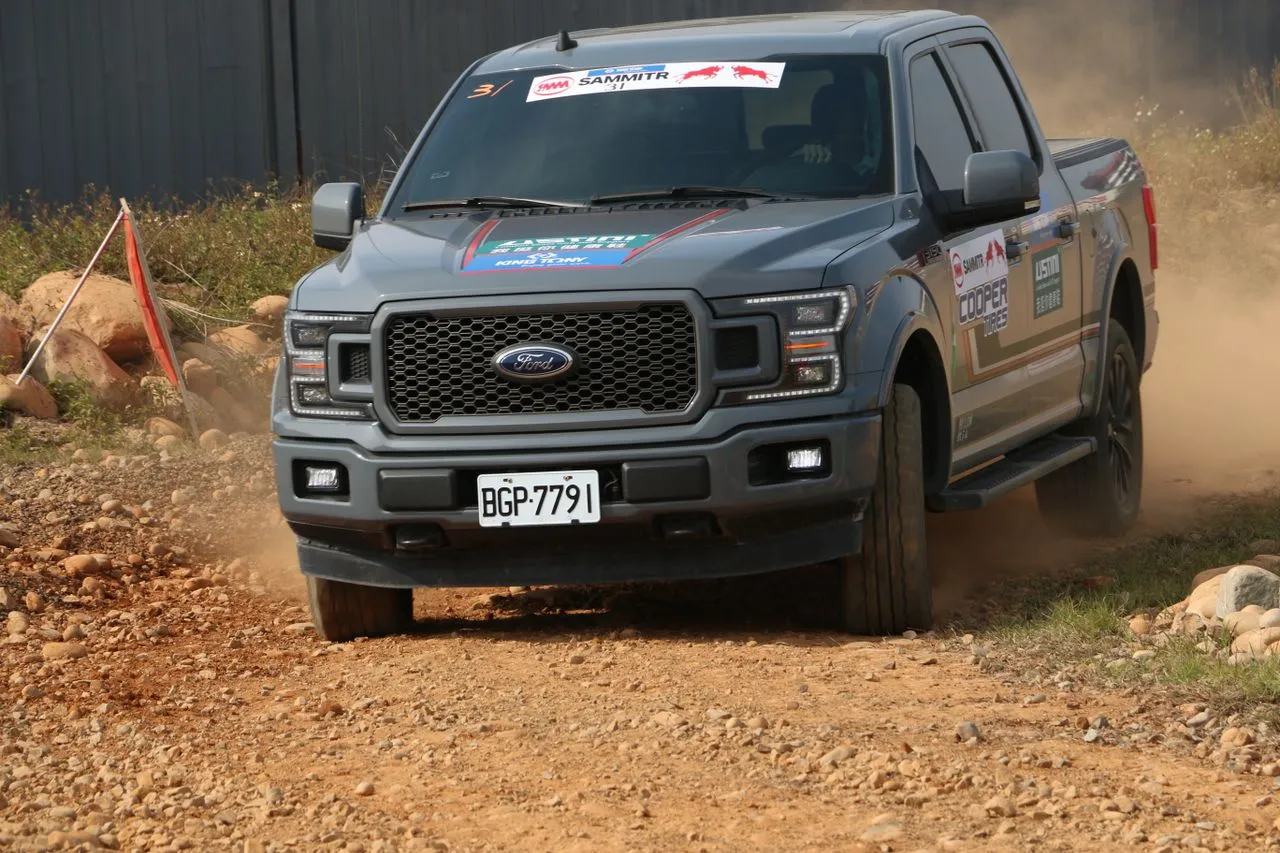
The dealership also provided trucks to the American Red Cross, one of Ford‘s philanthropic partners, helping the organization respond to community needs during the crisis.
For Kevin Shaughnessy, president and CEO of Phil Long Dealerships, the experience reinforced the importance of businesses being prepared to serve their communities during emergencies.
“Our community was not just touched, but hammered by fire,” Shaughnessy said.
That experience helped shape the dealership group’s continuing commitment to wildfire education, prevention and recovery.
While repairing emergency vehicles and supporting first responders are critical during a wildfire, community leaders increasingly recognize that preparation before a fire starts can be just as important.
Phil Long Dealerships has continued working to educate residents about ways they can make their homes and properties more resistant to wildfire.
The organization partnered with Team Rubicon, a humanitarian nonprofit that helps communities prepare for, respond to and recover from disasters.
The partnership is part of Ford Building Together, an initiative that brings together Ford, Ford Philanthropy, dealers, employees, products and services to strengthen communities and help them respond to major challenges.
Team Rubicon’s workforce includes military veterans and volunteers known as “greyshirts,” a nickname inspired by the gray shirts worn by members of the organization.
These volunteers bring disaster-response experience to communities facing emergencies and their aftermath.
On June 25, Team Rubicon and Phil Long Ford of Chapel Hills hosted Wildfire Prevention Night in Colorado Springs.
The event brought together residents, emergency responders, forestry specialists and community organizations to discuss practical steps people can take to reduce wildfire risks around their homes.
Participants included the Colorado Springs Fire Department, Mt. Carmel Veterans Service Center, forestry experts and other community partners.
Rather than focusing exclusively on what happens after a wildfire starts, the event emphasized measures homeowners can take beforehand.
That approach is increasingly important as dry conditions create more opportunities for fires to ignite and spread.
Residents can examine their properties for potential fuel sources, evaluate the materials used around their homes and identify pathways that could allow flames or embers to reach structures.
Shaughnessy became particularly interested in wildfire prevention after attending a similar event at a Ford dealership in Denver.
The experience made him realize that his own property had vulnerabilities that could potentially make it more susceptible to wildfire.
He responded by making changes, including replacing his roof with fire-resistant material.
His experience also motivated him to share what he had learned with other residents.
The message resonated with Chris Detone, general manager and partner at Phil Long Ford of Chapel Hills.
After attending the wildfire prevention event, Detone began looking more closely at his own home.
One of the most important lessons he learned involved his wooden fence.
A fence attached directly to a house can potentially act as a pathway for fire. If vegetation or other combustible material ignites, flames can travel along the fence and eventually reach the structure.
Detone described the wooden fence as essentially a “fuse” leading toward his home.
He decided to replace the portion of the fence closest to the house with concrete, reducing one potential pathway for flames to reach the structure.
The example demonstrates why wildfire prevention is not always about major construction projects. Sometimes, relatively focused improvements can help reduce vulnerabilities.
Detone’s commitment to wildfire response also extended beyond his own property.
He joined Shield616, a volunteer organization supporting first responders, and helped personally deliver supplies to firefighters working behind the lines.
The experience gave him a closer look at the challenges faced by emergency personnel during major wildfire incidents.
What affected him most was seeing firefighters who had suffered personal losses but continued working to protect other people’s homes.
Some responders had lost their own homes while still showing up to fight fires and defend their communities.
For Detone, witnessing that commitment reinforced the importance of supporting firefighters not only through donations and supplies but also through community preparedness.
He also saw how wildfire emergencies can bring people together from far beyond the affected region.
Volunteers and emergency personnel from different parts of the country can arrive to assist local communities when disaster strikes.
Team Rubicon’s work does not stop once the fire has been extinguished.
The organization also helps communities recover from the physical damage left behind.
Greyshirts can assist with clearing dead trees, removing debris and addressing other potential fire hazards. Such work can help reduce future wildfire risks while also making it easier for residents to rebuild.
When a home is completely destroyed, volunteers may also help clear the property so recovery specialists can search through the remains.
The process can involve removing brick, metal and other debris from burned structures.
In some cases, families may discover items that survived the fire, such as a safe containing important documents or sentimental belongings.
Even small discoveries can have enormous emotional value for families who have lost almost everything.
Eric Lawson, Team Rubicon’s operations associate for Colorado and Wyoming, said home-clearing operations can be among the most emotionally difficult assignments.
When a house burns completely, little may remain beyond the foundation and chimney.
For volunteers, the work can be physically demanding and emotionally difficult because they are confronting the remains of people’s homes and memories.
For Phil Long Dealerships, its partnership with Team Rubicon reflects a longstanding commitment to helping others.
The dealership group’s founder, Philip Long, was a decorated World War II Navy fighter pilot who served in combat and flew numerous missions from the aircraft carrier USS Enterprise.
Long was reportedly shot down twice during his military service but returned home with a continued commitment to serving others.
His friend Jay Cimino, who later led the dealership group, was also a Marine veteran.
That history of military service and community involvement has become part of the organization’s broader culture.
Today, the focus extends beyond the automotive business to supporting first responders, disaster recovery efforts and local residents.
Colorado’s wildfire threat is not disappearing, making preparedness an ongoing responsibility for homeowners, businesses and communities.
The lessons from past fires show that wildfire resilience requires more than emergency response after flames appear.
Residents can begin by examining their properties, identifying combustible materials near structures and considering improvements that can reduce the chance of fire spreading to their homes.
Businesses can also play an important role by supporting emergency responders, providing resources during disasters and helping educate the public.
Organizations such as Team Rubicon demonstrate the value of combining preparedness, response and recovery.
For Colorado Springs and communities across the state, the goal is to ensure that the next wildfire does not produce the same level of destruction as those that came before it.
The scars left by the Waldo Canyon and Black Forest fires remain a reminder of what is at stake. But they have also inspired a stronger culture of preparation and cooperation.
From firefighters working through exhausting conditions to volunteers clearing burned properties, from mechanics repairing emergency vehicles to homeowners replacing vulnerable building materials, wildfire resilience is built through many individual actions.
The most important lesson may be that preparation cannot wait until smoke appears on the horizon.
By identifying risks, strengthening homes, supporting first responders and working together before disaster strikes, communities can give themselves a better chance of protecting lives, property and the memories that make a neighborhood a home.
For Colorado residents, moving from ashes to action means making those preparations today — before the next spark catches.
Source Link:https://www.fromtheroad.ford.com/