Uber Technologies, autonomous driving company Pony AI Inc. (NASDAQ: PONY; HKEX: 2026), and mobility technology company Verne have announced the launch of autonomous rides through the Uber app in Zagreb, Croatia. The move represents a significant milestone for the European mobility industry, as riders in Europe can now use Uber to request a ride operated by an autonomous vehicle (AV).
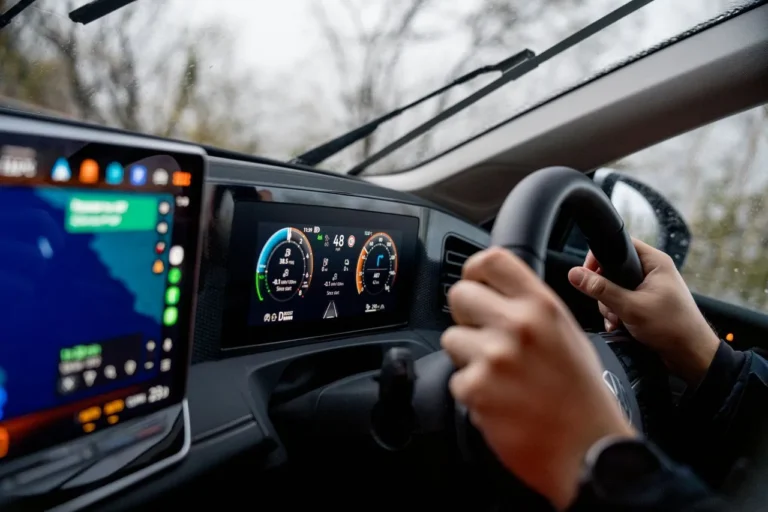
The initial service is being introduced across selected areas of Zagreb, including the city centre. Coverage is expected to expand gradually as the companies gather operational experience and continue developing the service. During the first stage of deployment, a licensed safety operator will remain inside the vehicle and monitor the ride from behind the wheel. The phased approach is designed to support a controlled transition toward fully driverless operations in the future.
The Zagreb launch brings together three distinct capabilities. Pony AI contributes its autonomous driving technology, Verne provides the vehicles and manages the fleet and local operations, while Uber supplies the digital platform through which customers can discover, request and experience autonomous transportation.
The partnership marks the next stage of a collaboration first announced in March. Following development and testing, the companies are now moving into real-world commercial deployment through Uber’s global ride-hailing network.
The arrival of autonomous rides on Uber in Zagreb reflects the rapid evolution of transportation technology. For years, autonomous driving companies, automakers, technology providers and mobility platforms have been working toward a future in which passengers can travel without a human driver controlling the vehicle.
While autonomous vehicle technology has already reached commercial markets in several parts of the world, its introduction through a major ride-hailing platform in Europe represents an important development. Uber’s existing customer base, app infrastructure and mobility network provide a potential pathway for autonomous transportation to reach a much larger audience.
For riders in Zagreb, the experience is designed to remain familiar. Customers can continue to use the Uber app to request a ride rather than interacting with a separate autonomous mobility service. The key difference is that, when an eligible vehicle is available, the journey may be completed in an autonomous vehicle.
Uber Global Head of Autonomous Mobility Operations Annie Duvnjak described the Zagreb launch as an important milestone for autonomous transportation in Europe. According to the company, the combination of Pony AI’s autonomous driving capabilities, Verne’s operating experience and Uber’s technology platform is intended to make autonomous rides easier for customers to access.
The companies also view Zagreb as more than a single-city launch. The market is expected to serve as an operational model that can support future expansion into other European locations.
The three companies have clearly defined responsibilities within the new autonomous mobility model.
Pony AI is responsible for providing the autonomous driving technology that enables the vehicles to navigate roads and operate with automated driving capabilities. Its technology is central to the vehicle’s ability to understand the surrounding environment, make driving decisions and complete journeys.
Verne takes responsibility for the fleet and local service operations. As the fleet owner and service operator, the company manages the vehicles and the operational infrastructure required to deliver the service in Zagreb. Its role is particularly important because autonomous transportation requires more than vehicle technology. Fleet management, maintenance, charging, customer support and day-to-day operations are all essential components of a successful robotaxi service.
Uber provides the customer-facing platform. The company integrates the autonomous vehicles into its ride-hailing network and makes them available through its application. This allows riders to request transportation using a familiar digital interface while giving the autonomous service access to Uber’s established mobility ecosystem.
The combined model is intended to create a scalable framework for autonomous transportation. Rather than requiring one company to develop every component of the service, the partnership allows each participant to focus on its area of expertise.
Zagreb has become an important location for the development of autonomous mobility in Europe. Verne previously launched a commercial robotaxi service in the Croatian capital, giving the company an opportunity to operate autonomous vehicles with real customers in an actual European urban environment.
According to Verne CEO Marko Pejkovic, the company had already completed thousands of autonomous rides in Zagreb before the Uber integration. The experience gained from operating every day in the city has provided valuable insight into real-world customer behavior and operational requirements.
Making those rides available through Uber represents another step in the development of the service. Instead of relying exclusively on Verne’s own service ecosystem, customers can now access the vehicles through one of the world’s largest mobility platforms.
The development is also being positioned as a milestone for Croatia. A technology service developed and introduced in Zagreb is now connected to an international ride-hailing network, potentially increasing the city’s visibility as a location for mobility innovation.
The companies expect the experience gained in Zagreb to help guide future deployments. Details regarding additional European cities are expected to be announced later in 2026.
One of the most important aspects of the announcement is the transition from development and testing to actual customer-facing service.
Autonomous vehicle technology requires extensive testing because vehicles must be capable of responding to a wide range of real-world conditions. Urban environments can present complex traffic patterns, pedestrians, cyclists, road construction, weather changes, emergency vehicles and unpredictable driver behavior.
Operating commercially with real customers gives companies another layer of practical experience. Every completed journey can provide information about vehicle performance, fleet operations, customer expectations and the overall service experience.
The presence of a licensed operator during the initial phase provides an additional layer of oversight. While the vehicle is operating with autonomous driving technology, the operator can monitor the journey as the companies gradually expand the service.
The ultimate objective is to move toward fully driverless operations. However, the transition is expected to happen progressively rather than immediately.
Pony AI Founder and CEO Dr. James Peng said the Zagreb deployment demonstrates how the companies’ combined capabilities can support a scalable autonomous mobility model. The partnership brings together Pony AI’s Gen-7 Robotaxi technology, Verne’s local operating capabilities and Uber’s platform and customer reach.
Safety is one of the most important considerations in the deployment of autonomous vehicles. Uber said autonomous vehicles must meet applicable regulatory requirements and its own safety standards before they can operate on the platform.
The companies are taking a gradual approach to expanding the service. The initial geographic coverage is limited to selected parts of Zagreb, while service availability is expected to increase over time.
This staged deployment allows the companies to gain experience while monitoring how the technology performs in real-world conditions. It also provides an opportunity to evaluate the customer experience and identify areas that may need improvement before autonomous operations are expanded.
The presence of a licensed operator during the launch phase further reflects the cautious approach being taken toward commercialization. Fully driverless transportation remains a longer-term objective, with the companies continuing to work toward that stage.
Uber does not expect autonomous vehicles to immediately replace human-driven transportation. Instead, the company believes autonomous vehicles and human drivers will operate alongside one another for the foreseeable future.
This approach recognizes that autonomous vehicles may be particularly useful for certain types of journeys while human drivers will continue to be essential across many other transportation scenarios.
Some trips may involve complicated conditions, unusual destinations or circumstances where human judgment remains valuable. At the same time, autonomous vehicles could provide additional transportation capacity and create new options for riders.
For Uber, the long-term opportunity is therefore not simply about replacing conventional rides. The company is working toward a broader mobility ecosystem in which autonomous vehicles become another transportation option available through its platform.
Customers in eligible areas of Zagreb can access the new service directly through the Uber application. Riders can request UberX or Comfort, and when an autonomous vehicle is available, the app will provide information about the vehicle and instructions for beginning and completing the trip.
This approach keeps the customer experience closely connected to Uber’s existing platform. Riders do not need to learn an entirely separate ride-booking system to access the autonomous service.
The integration also allows Uber to use its existing digital infrastructure to manage ride requests and provide customers with information throughout the journey.
As availability increases, more riders may have the opportunity to experience autonomous transportation without making a separate decision to use a specialized robotaxi service.
The Zagreb launch could ultimately become a blueprint for deploying autonomous rides in other European cities. The companies have indicated that additional markets are planned, although specific locations have not yet been announced.
Expanding autonomous transportation across Europe will require more than simply transferring vehicles from one city to another. Each market has its own road infrastructure, traffic conditions, regulations and operational requirements.
The experience gained in Zagreb could help the companies understand how to adapt their technology and operating model to different urban environments.
Uber’s global platform could also play an important role in future expansion. By connecting autonomous fleets with an established ride-hailing application, the company can potentially introduce autonomous transportation to customers across multiple markets without requiring them to adopt separate mobility platforms.
The introduction of autonomous rides through Uber could have implications beyond Zagreb. Ride-hailing platforms are increasingly exploring autonomous technology as a way to expand transportation capacity, improve efficiency and introduce new mobility options.
For autonomous driving companies, partnerships with established mobility platforms can provide access to large customer bases and operational networks. For ride-hailing companies, autonomous vehicles could become an additional component of their transportation offerings.
The Zagreb deployment demonstrates how these two industries can work together. Autonomous driving technology alone does not create a complete mobility service. Vehicles need to be owned or managed, maintained, deployed and made available to customers. Similarly, a ride-hailing platform needs access to reliable autonomous vehicle technology to offer such services.
The collaboration between Pony AI, Verne and Uber brings these different elements together.
The launch of autonomous rides in Zagreb marks an important step in Uber’s broader autonomous mobility strategy and provides the company with an opportunity to introduce AV technology to European riders through its established platform.
For Pony AI, the deployment represents an opportunity to put its autonomous driving technology into a wider commercial ecosystem. For Verne, it expands access to a robotaxi service that has already been operating in Zagreb and strengthens the company’s position in the European autonomous mobility market.
The initial launch is only the beginning. Geographic coverage is expected to expand, the number of available autonomous vehicles may increase and the companies will continue working toward fully driverless operations.
As autonomous technology develops, the transportation industry is likely to become increasingly diverse, combining conventional human-driven vehicles with automated fleets. Uber’s Zagreb launch provides an early example of how those two models can operate together through a single mobility platform.
Ultimately, the success of the program will depend on safety, reliability, customer acceptance, regulatory progress and the ability to scale operations efficiently. If the Zagreb model proves successful, it could provide a foundation for bringing autonomous rides to additional European cities.
For now, Zagreb represents a significant first step: European riders can access an autonomous vehicle through the Uber app, bringing robotaxi technology closer to everyday transportation and signaling a new phase in the evolution of urban mobility.
Source Link:https://www.businesswire.com/