UL Solutions Inc., a global leader in applied safety science, has introduced a new certification program designed to support the growing deployment of vehicle-to-grid (V2G) technologies and help electric vehicles become an active resource for the power grid.
The initiative comes as utilities, automakers, charging companies and energy providers look for new ways to manage increasing electricity demand while integrating more renewable energy and strengthening grid reliability. As electric vehicle adoption continues to expand, the batteries inside parked EVs represent a potentially significant source of stored energy that could be used to support the electricity system.
V2G technology enables electric vehicles to do more than simply consume electricity. When equipped with compatible bidirectional charging and power-management systems, EVs can draw electricity from the grid during periods of lower demand and send electricity back to the grid when demand increases. This two-way flow can provide utilities with additional flexibility while potentially creating new value for EV owners and other participants in the energy ecosystem.
Electric vehicles are increasingly being viewed as an important part of the broader energy transition. Traditionally, EVs have been treated primarily as electricity consumers, with charging taking place whenever vehicles are connected to a charging station. V2G changes that model by allowing compatible vehicles to function as distributed energy resources.
Utilities are facing a number of challenges as electricity consumption rises across multiple sectors. Data centers, transportation electrification, commercial buildings, industrial facilities and other applications are contributing to growing demand for electricity. At the same time, utilities are integrating greater amounts of renewable generation, including solar and wind power, whose output can fluctuate depending on weather and time of day.
V2G systems could provide an additional tool for balancing these changes.
Electric vehicles typically remain parked for substantial portions of the day. During those periods, a connected EV may have significant battery capacity that is not being used for transportation. Instead of allowing that capacity to remain idle, V2G technology can potentially make it available to the power system under appropriate operating conditions.
According to an Electric Power Research Institute (EPRI) study, approximately 90% of electric vehicles are parked at any given time under typical driving patterns. This creates a potential opportunity for utilities and energy providers to coordinate charging and discharging according to grid conditions.
When electricity demand is relatively low, vehicles can charge and store energy. During periods of higher demand, participating vehicles can potentially export some of that stored electricity back to the grid. This approach can help shift energy consumption away from peak periods and improve the utilization of existing electrical infrastructure.
The potential value of V2G extends beyond grid reliability. A recent E3 study on vehicle-grid integration, commissioned by General Motors, estimates that V2G could potentially provide five to 15 times more per-vehicle value than one-way managed charging in many markets.
One-way managed charging allows utilities or other authorized energy-management systems to influence when an EV charges. For example, charging can be shifted from high-demand periods to times when electricity is cheaper or more abundant.
V2G adds another layer of flexibility because electricity can flow in both directions. Rather than simply controlling when a vehicle consumes electricity, a V2G system can potentially allow the vehicle battery to supply energy to the grid when conditions require additional capacity.
The exact value of this capability depends on local electricity markets, utility programs, regulations, equipment capabilities, customer participation and other factors. Nevertheless, the development of standards and certification programs can help establish the technical foundation required for broader deployment.
UL Solutions said its new certification program is intended to help address the safety, performance and interoperability considerations associated with V2G systems.
“Electric vehicles spend much of their time parked, creating an opportunity for them to perform more than transportation alone,” said Wesley Kwok, vice president and general manager of the Energy and Industrial Automation group at UL Solutions.
“Vehicle-to-grid technologies can help turn that unused battery capacity into a valuable resource for utilities and communities. Our new certification program helps build confidence that these vehicle-to-grid systems can provide critical electric utility performance while operating safely and reliably.”
Certification can be particularly important as V2G systems connect equipment from different parts of the automotive and energy ecosystems. An EV, bidirectional electric vehicle supply equipment, inverter, utility network and energy-management system may all need to operate together.
Testing against established technical requirements can help manufacturers demonstrate that their products are capable of meeting relevant safety and grid-interconnection expectations.
The new certification program enables testing and certification of products according to UL 1741 Supplement SC.
The supplement was recently published as an addition to UL 1741, the Standard for Inverters, Converters, Controllers and Interconnection System Equipment for Use With Distributed Energy Resources.
The standard is relevant to equipment that connects distributed energy resources to the electric grid. As V2G systems effectively enable EV batteries to participate in the electricity system, appropriate grid-interconnection requirements become an important consideration.
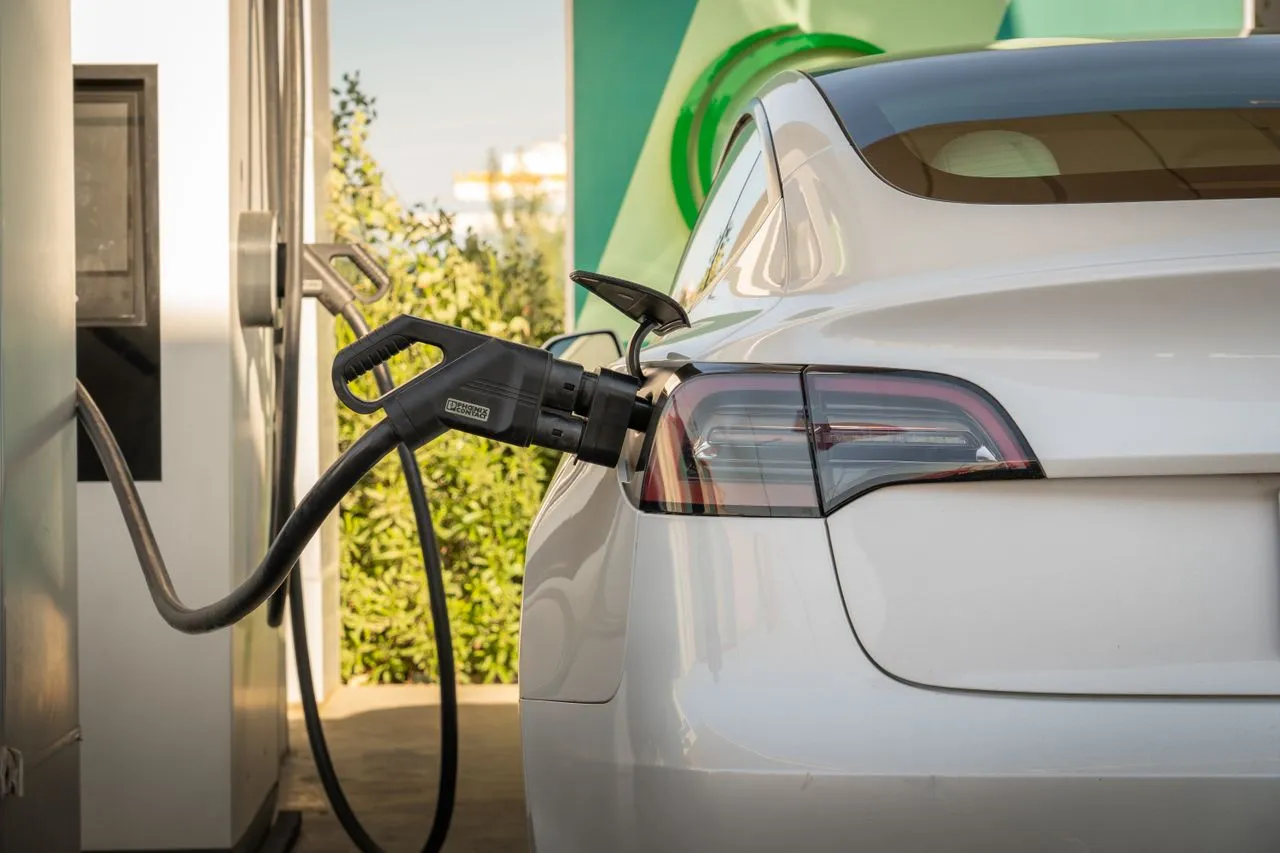
Under the new program, UL Solutions can test and certify bidirectional electric vehicle supply equipment that enables interactions between electric vehicles and utilities.
Bidirectional EV supply equipment serves as an important bridge between the vehicle and the electrical grid. It can help manage the direction and characteristics of electricity flow while supporting the requirements associated with grid interconnection.
For utilities, this type of equipment can be an important part of ensuring that energy exported from EVs interacts with the grid in an appropriate and controlled manner. For equipment manufacturers, certification can provide a way to demonstrate compliance with applicable technical requirements.
The ability to move electricity in both directions is central to V2G technology.
Conventional EV charging generally involves electricity moving from the grid into the vehicle battery. V2G adds the capability for electricity to move from the battery back toward the grid.
This bidirectional operation requires equipment capable of managing electrical power safely and reliably. It also requires coordination between the vehicle, charging equipment and grid.
Products certified through UL Solutions’ new program can work with electric vehicles that use onboard bidirectional inverters designed and tested in accordance with SAE J3072.
This relationship between vehicle-side technology and charging infrastructure is important because successful V2G deployment depends on the different components working together under defined technical conditions.
By providing testing and certification services, UL Solutions aims to support manufacturers developing the equipment required to enable these capabilities.
The certification program also supports products seeking certification for grid interconnection and related performance requirements.
UL Solutions said products can be certified using new UL 1741 multipiece distributed energy resource (DER) requirements together with UL 9741, the Standard for Electric Vehicle Power Export Equipment (EVPE).
DER equipment can include technologies that generate, store or otherwise manage electricity closer to where power is consumed. EV batteries represent a potentially large distributed storage resource because millions of vehicles could eventually be connected to charging infrastructure across residential, commercial and public locations.
Integrating these resources into the power grid requires appropriate controls and safety measures. Standards such as UL 1741 and UL 9741 provide technical frameworks that can help manufacturers and other stakeholders evaluate equipment intended for these applications.
V2G technology could also play a role in helping utilities manage renewable energy.
Solar and wind generation can vary throughout the day. Solar production, for example, can be highest during periods when electricity consumption does not always match available generation. Energy storage can help address this mismatch by absorbing electricity when it is available and returning it when demand increases.
EV batteries could potentially contribute to this process when vehicles are connected and participating in appropriate V2G programs.
During periods of abundant renewable generation, participating vehicles could charge. Later, when renewable output decreases or electricity demand increases, some stored energy could potentially be exported back to the grid.
This could help utilities make more effective use of renewable resources while reducing the need to rely solely on conventional generation or additional grid infrastructure to manage short-term changes in demand.
For utilities, coordinated EV charging and discharging could provide another mechanism for managing peak demand.
Instead of building new infrastructure solely to accommodate short periods of exceptionally high demand, utilities may be able to use flexible resources such as connected EVs to reduce or shift some of that demand.
V2G could potentially support services such as peak-demand management, load balancing and other grid-support functions, depending on local regulations and market structures.
Communities could also benefit from more efficient use of existing electrical infrastructure. As EV adoption grows, the number of batteries connected to the grid through charging equipment could become substantial.
However, realizing this potential requires more than simply increasing the number of electric vehicles. Vehicles, charging equipment, software platforms, utilities and regulatory systems must be capable of coordinating their activities safely.
Certification is therefore an important step toward creating confidence among stakeholders.
The launch of the V2G certification program reflects the increasing convergence between automotive technology and the electric power sector.
As vehicles become increasingly electrified, their role is expanding beyond transportation. EV batteries can potentially become part of a larger energy-management ecosystem involving homes, businesses, charging networks, utilities and renewable energy systems.
For manufacturers, certification can help demonstrate that their equipment has been evaluated against relevant technical requirements. For utilities and other energy-sector participants, certified equipment can provide greater confidence when considering technologies for grid-connected applications.
UL Solutions is offering the new testing and certification services through its laboratories in Fremont, California, and Northbrook, Illinois.
The growth of electric mobility is expected to create both challenges and opportunities for the power grid. Millions of EVs will require electricity for charging, increasing the importance of efficient load management. At the same time, those vehicles could become a distributed energy resource capable of supporting the grid when they are parked and connected.
Vehicle-to-grid technology represents one potential pathway for making that transition more flexible.
UL Solutions’ new certification program is designed to help establish the safety and performance foundation needed for V2G equipment to interact with the grid. By supporting testing and certification for bidirectional EV supply equipment and related grid-interconnection technologies, the program could help manufacturers and energy stakeholders move V2G solutions from emerging technology toward broader commercial deployment.
As electricity demand continues to grow and utilities work to integrate renewable energy, the ability to manage flexible resources will become increasingly important. Electric vehicles could play a significant role in that future, not only by replacing conventional vehicles but also by serving as connected energy-storage resources.
The combination of expanding EV adoption, bidirectional charging technology, standardized requirements and certification programs could help create a more connected relationship between transportation and electricity infrastructure. UL Solutions’ new V2G certification initiative is aimed at supporting that evolution by helping ensure that the equipment enabling these interactions can operate safely, reliably and in accordance with applicable grid requirements.
Source Link:https://www.businesswire.com/