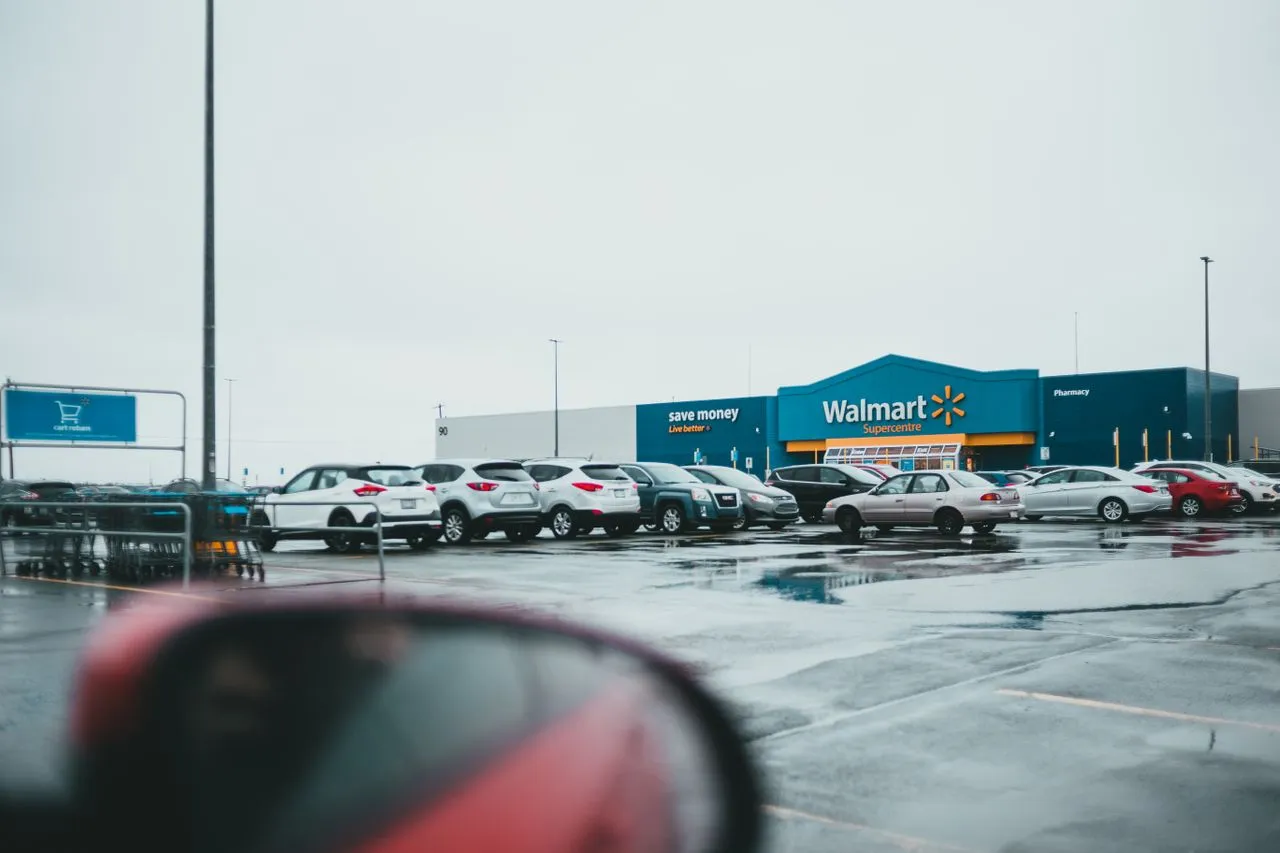
Walmart has reached a major milestone in its electric vehicle charging strategy, celebrating the opening of its 100th company-owned and operated EV fast-charging site in the United States. The milestone location is at the Walmart Supercenter at 16218 Jackson Creek Parkway in Monument, Colorado, marking another step in the retailer’s effort to make fast and convenient EV charging available to customers across the country.
The expansion reflects Walmart’s broader approach to electric vehicle infrastructure: placing charging stations where customers already spend time. Rather than requiring drivers to make a separate trip to a charging facility, Walmart is integrating fast chargers directly into its retail locations. Customers can plug in their vehicles, shop for groceries and household products, and return to a charged vehicle without making a separate stop.
With the latest opening, Walmart EV Chargers are now available at 100 stores spanning 20 states. The company says its network is being developed around the goal of providing convenient, dependable charging at locations that are familiar and accessible to millions of shoppers.
The growth of Walmart’s charging network comes as electric vehicle adoption continues to reshape the U.S. transportation market. As more consumers purchase battery-electric vehicles, access to convenient public charging is becoming increasingly important, particularly for drivers who do not have access to home charging or who need additional range during longer trips.
Walmart’s extensive store footprint gives the retailer an opportunity to play a significant role in this expanding charging ecosystem. Its stores are located in urban, suburban and rural communities, providing potential charging access beyond traditional EV-focused locations.
“By expanding EV fast charging at Walmart locations across the country, we’re giving drivers a dependable way to charge while they’re in the store,” said Shayne Wahlmeier, Senior Vice President, Walmart Energy. “Reaching 100 sites is an important milestone, and our broad footprint positions us to make EV charging more accessible for communities while expanding the ways we serve our customers.”
The company’s 100-site milestone demonstrates how retail properties can become an important part of the country’s charging infrastructure. For Walmart, the strategy also connects EV charging with its existing customer experience, allowing drivers to combine charging with routine shopping.
One of the central features of Walmart’s EV strategy is the location of its charging stalls. Chargers are positioned close to Walmart stores, allowing customers to begin a charging session and then walk into the store.
This approach can make charging more convenient for drivers who need to spend time at a charging location. Instead of waiting inside their vehicle, customers can use the time to purchase groceries, pick up household goods, have a meal or complete other errands.
The integration of charging into Walmart’s broader digital ecosystem is another part of the company’s strategy. Customers can use the Walmart app to access the charging experience, making it easier to manage charging while shopping.
The combination of physical convenience and digital integration is intended to reduce some of the friction associated with public EV charging.
For EV drivers, convenience can be just as important as charging speed. A fast charger located near a destination can make a charging stop feel less like an interruption and more like part of an existing daily routine.
Most Walmart EV charging locations feature between eight and 16 fast-charging stalls. The chargers can deliver up to 400 kilowatts of power, depending on the vehicle and other charging conditions.
Charging speeds can vary based on factors such as the vehicle’s charging capabilities, battery temperature, battery state of charge and charger configuration. Nevertheless, high-powered DC fast charging can allow compatible EVs to recover a substantial amount of driving range during a relatively short stop.
Walmart is also supporting both CCS and NACS connectors across its network. Offering multiple connector types is intended to make the charging network accessible to a broad range of EV drivers.
Connector compatibility has become an important consideration as automakers and charging providers transition toward the North American Charging Standard. By supporting both connector formats, Walmart can serve a wider range of vehicles currently operating on U.S. roads.
This broad compatibility is particularly important for a retail-based charging network. Walmart’s customer base includes drivers with different vehicle brands and models, making flexibility a key part of the charging experience.
Walmart says reliability is a central part of its EV charging strategy. Public charging availability and dependability remain important considerations for consumers evaluating electric vehicles, particularly those who rely on public infrastructure for longer journeys.
Adam Happel, General Manager of Walmart Retail EV Charging, said the company wants charging at Walmart to fit naturally into the customer experience.
“When a customer pulls into a Walmart to charge, we want the experience to feel as reliable and effortless as the rest of their shopping trip,” Happel said. “We’re proud to reach 100 sites, but our focus remains on building a network customers can count on every time they charge with us.”
The statement highlights the company’s intention to treat charging as an extension of the Walmart shopping experience rather than as a separate business activity.
For customers, a simple charging process can help reduce uncertainty. Being able to locate a charger, initiate a session and complete payment through a familiar platform can make public charging easier for drivers who may be new to EV ownership.
The Walmart app is an important component of the company’s charging experience. Customers can use the app to start and pay for charging sessions, bringing EV charging into a digital platform that many Walmart shoppers already use.
The company also plans to introduce additional payment options as its charging network continues to grow.
Digital integration can be particularly useful for customers who want to manage their shopping and charging activities from one place. As Walmart expands the network, the app can also serve as a tool for helping drivers identify charging locations.
Customers can find current and upcoming Walmart EV charging locations through the company’s EV charging resources and Walmart app. Open locations are also listed on major mapping and charging platforms, including Apple Maps, Google Maps, PlugShare, Chargehub and Chargeway.
The availability of charging locations across multiple platforms can make it easier for EV drivers to identify Walmart sites while planning trips or searching for nearby charging.
Walmart is also connecting EV charging with its membership program. Walmart+ members receive discounted charging rates, providing an additional incentive for customers who frequently use the company’s charging network.
The membership benefit gives Walmart an opportunity to connect its EV charging infrastructure with a broader customer loyalty strategy. For frequent EV drivers who are already Walmart+ members, charging discounts can potentially make Walmart locations more attractive compared with other public charging options.
The approach also reinforces Walmart’s broader objective of offering value to customers across different parts of its business.
As EV ownership increases, charging costs will become another factor consumers consider when choosing where to charge. Membership-based discounts could therefore become an important element of competition among retail charging providers.
Walmart’s expansion illustrates the growing role retailers can play in the development of EV infrastructure. Large retail chains have several advantages as potential charging hosts, including established locations, parking areas, customer traffic and extended operating hours.
Retail charging can also help address one of the key challenges associated with EV adoption: making charging available during everyday activities.
Drivers do not always need a dedicated charging station. If a fast charger is available at a grocery store or general merchandise retailer, charging can become part of an existing trip.
For communities that lack extensive standalone charging infrastructure, retail locations could provide an additional source of public fast charging. Walmart’s presence across 20 states gives its network the potential to serve a diverse group of drivers and communities.
Reaching 100 company-owned and operated charging sites is a significant milestone, but Walmart says the expansion will continue. The retailer plans to develop additional charging locations in markets where customers need greater access to convenient and dependable fast charging.
The company expects to work with local utilities and other partners as it brings additional sites online. Collaboration with utilities can be important for charging projects because high-powered EV chargers can require substantial electrical capacity and site-specific infrastructure.
As more charging locations are developed, factors such as local EV adoption, traffic patterns, grid capacity and customer demand will influence where new sites are established.
Walmart’s continued investment also demonstrates the retailer’s long-term interest in participating in the transition toward electrified transportation.
Walmart’s 100th EV fast-charging site represents more than a numerical milestone. It demonstrates how the company is incorporating electric vehicle infrastructure into its extensive retail network.
By placing fast chargers near stores, supporting multiple connector standards, integrating charging into its app and offering discounts to Walmart+ members, the retailer is attempting to create a charging experience that fits naturally into customers’ daily routines.
The strategy could become increasingly relevant as more consumers transition from gasoline-powered vehicles to electric models. Convenient charging locations will be necessary to support that transition, particularly for drivers who depend on public charging.
Walmart’s scale gives it a unique opportunity to contribute to that infrastructure. Its stores are already destinations for millions of consumers, and adding fast charging allows the company to serve EV drivers while they shop.
The opening of the 100th company-owned and operated EV fast-charging site in Monument, Colorado, therefore marks both an achievement for Walmart and another development in the broader expansion of U.S. EV infrastructure.
As the company moves beyond its first 100 locations, its next phase will focus on expanding into additional markets and improving accessibility for more drivers. With charging becoming increasingly connected to everyday retail destinations, Walmart is positioning its stores as convenient points where transportation and shopping can come together.
For EV owners, the expansion could mean more opportunities to recharge without making a separate stop. For Walmart, it represents another way to strengthen its customer offering while participating in the rapidly evolving electric mobility market.
Source Link:https://www.businesswire.com/