Canada’s used electric-vehicle market is entering a new phase as EVs become more accessible, operating costs remain attractive and concerns surrounding battery durability begin to ease. As more electric vehicles reach the second-hand market after several years of ownership, Canadian consumers are gaining more opportunities to purchase an EV without paying the higher prices traditionally associated with new models.
The growing availability of used EVs is also being supported by improving consumer awareness, lower acquisition costs and longer warranty coverage. VinFast is among the automakers seeking to strengthen confidence in this emerging market through its Certified Pre-Owned program, which extends important ownership protections to eligible used vehicles.
Together, these developments are helping reshape the perception of used electric vehicles in Canada.
The Canadian used-car market has been experiencing significant changes as consumers respond to vehicle affordability and changing economic conditions. Electric vehicles are becoming an increasingly important part of that transformation.
Data from Clutch showed that used EVs sold in a median of 24 days in June, six days faster than used gasoline-powered vehicles. EVs also recorded the fastest sales pace among the fuel types tracked during that period.
The momentum continued into July, when the median selling time for used EVs dropped to 23 days. That represented another record for the category and highlighted growing consumer interest in second-hand electric vehicles.
The trend is notable because the used EV market is still relatively young compared with the established market for gasoline-powered vehicles. Many of the first generation of modern EVs sold or leased in Canada are now reaching the age at which they naturally enter the pre-owned market.
That creates a larger pool of vehicles for buyers who may have been interested in electric mobility but were previously discouraged by the price of new EVs.
One of the biggest advantages of buying a used EV is the ability to obtain electric-vehicle technology at a lower upfront cost.
Early EV adopters often paid a premium to gain access to new battery technology, electric powertrains and advanced vehicle features. As those vehicles age and enter the used market, depreciation can significantly reduce the initial purchase price.
For consumers, this can make an EV more realistic from a budget perspective.
The changing used-car market is particularly relevant at a time when Canadians are facing pressure from household expenses and vehicle affordability. When the price of a new vehicle is difficult to justify, a late-model used vehicle can provide an alternative.
A used EV can potentially combine a lower purchase price with reduced day-to-day energy costs, creating an ownership equation that differs considerably from that of a comparable gasoline vehicle.
Running costs are another factor supporting the used-EV market.
Research from Rates.ca has highlighted the difference between electricity and gasoline costs for drivers using comparable vehicles. Based on 20,000 kilometres of annual driving and Ontario’s average electricity rate, the study found that charging selected EVs could cost substantially less than fueling comparable gasoline-powered vehicles.
For example, a compact EV in the study was estimated to require approximately $448 per year in charging costs. The comparable gasoline sedan required about $2,523 worth of fuel under the study’s assumptions.
The difference was also significant in the SUV category. The electric SUV required approximately $616 per year in charging costs, compared with an estimated $3,487 for the comparable gasoline model.
Those numbers illustrate why energy costs can become an important consideration for used-EV shoppers.
However, purchase price remains a major factor in overall ownership costs. Rates.ca found that gasoline-powered vehicles had the lowest one-year total cost in three of the four categories examined, largely because the initial purchase price can have a substantial impact on short-term economics.
Over a longer ownership period, however, the calculation changes.
The study found that EVs that could be more expensive to own during the first year generally became less expensive than their gasoline counterparts over a five-year period.
For used-vehicle buyers planning to keep their vehicle for several years, the potential reduction in energy costs can therefore become increasingly important.
Battery durability has long been one of the most important questions surrounding used EVs.
Unlike an engine, a high-voltage battery represents a major component of an electric vehicle’s powertrain. Buyers considering a used EV naturally want to know whether the battery has retained enough capacity to provide useful range and whether it will remain reliable for years to come.
Recent research provides encouraging evidence.
Geotab’s 2024 analysis examined nearly 5,000 electric vehicles and found average battery degradation of approximately 1.8% per year.
The findings suggest that modern EV batteries can remain usable for a very long period, potentially extending beyond the practical service life of the vehicles in which they are installed.
This is particularly important for the used market because buyers are no longer necessarily purchasing vehicles with batteries approaching the end of their useful life. Instead, many late-model used EVs still have substantial battery life remaining.
Independent research has also contributed to the changing understanding of EV longevity.
A study published in Nature Energy, using millions of vehicle records from the United Kingdom, estimated an average lifespan of 18.4 years for battery-electric vehicles. The research also estimated lifetime mileage for BEVs at approximately 124,000 miles.
The findings indicate that battery-electric vehicles can have a lifespan broadly comparable with conventional petrol-powered vehicles.
While individual battery performance can vary according to factors such as climate, charging habits, vehicle design and usage, the broader data is helping address some of the concerns that once discouraged consumers from purchasing older EVs.
Maintenance and repair costs are another consideration for consumers evaluating a used EV.
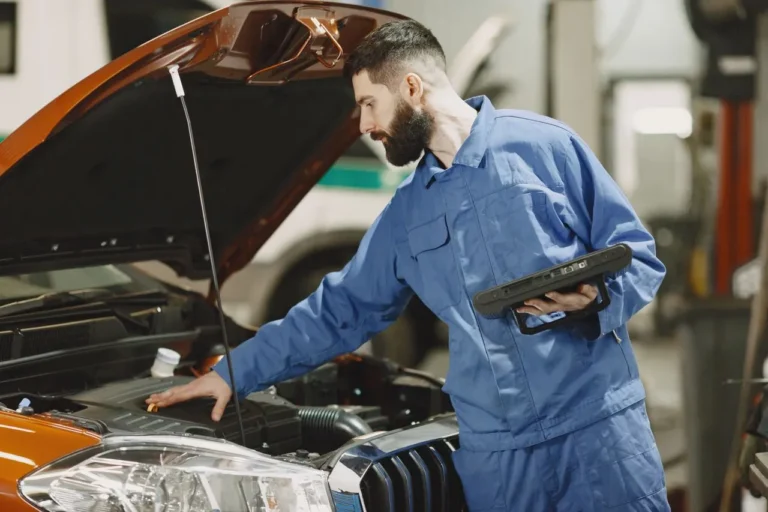
Electric vehicles have fewer traditional powertrain components than internal-combustion vehicles, but EV repairs can involve specialized systems and components. Collision repairs, battery systems, electrical components and specialized diagnostic procedures can all influence costs.
New data from auto claims technology company Mitchell suggests that the difference between EV and conventional-vehicle repair costs in Canada is narrowing.
According to Mitchell’s second-quarter study, the average repairable battery-electric vehicle claim reached approximately $6,645.
The corresponding figure for an internal-combustion-engine vehicle was approximately $5,411.
That represents a difference of $1,234.
Although BEV repairs remained more expensive on average in the data, Mitchell described the difference as the narrowest gap it has recorded.
This trend could become increasingly significant as EV repair expertise expands, more technicians gain experience with electric powertrains and repair networks become better equipped to work on battery-electric vehicles.
For used-EV consumers, the availability of qualified repair facilities and transparent battery-health information will remain important factors when evaluating a vehicle.
Long-term warranty coverage can play an especially important role in the used-EV market.
For buyers considering an electric vehicle several years after its original purchase, uncertainty about battery condition and unexpected repair expenses can influence the decision. A transferable warranty can reduce some of that uncertainty.
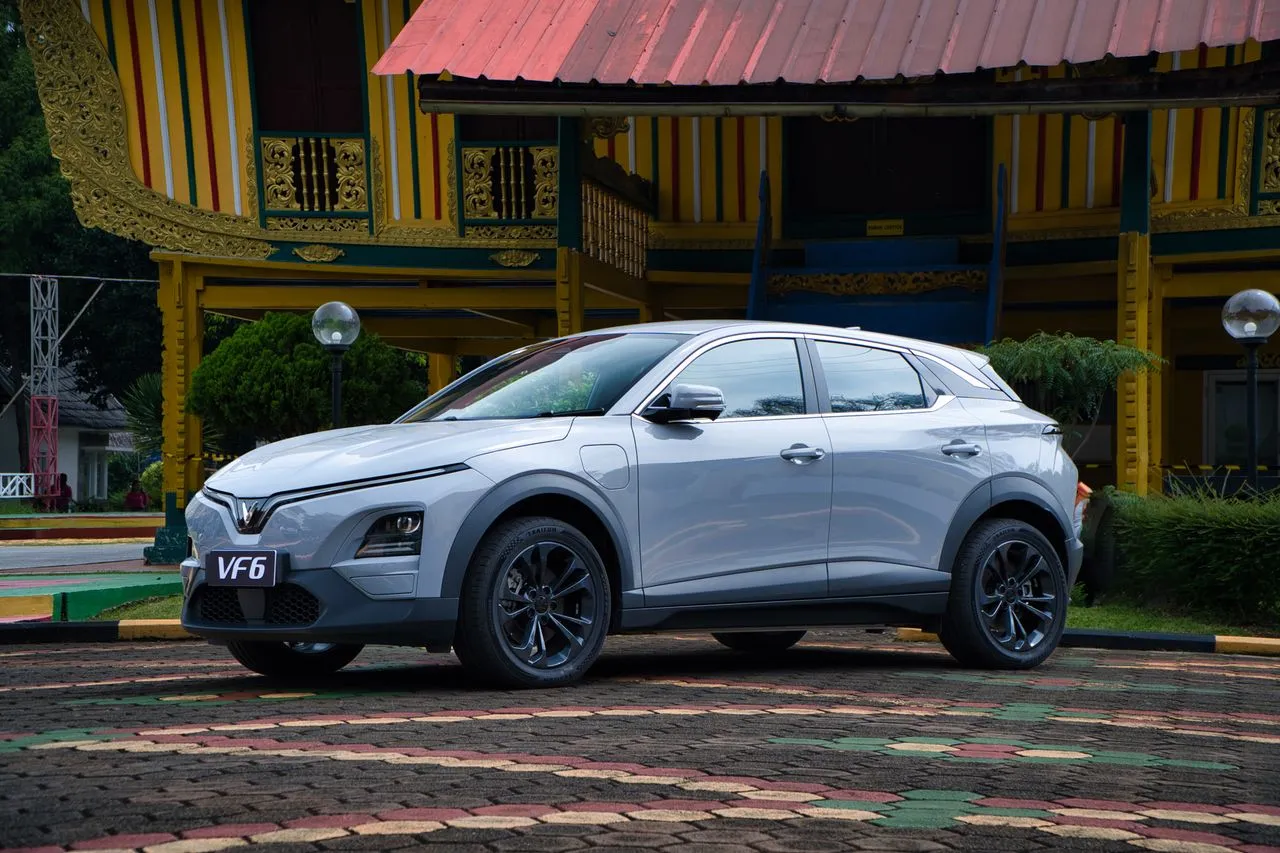
VinFast provides one example of an automaker attempting to address this issue.
The company began delivering its first VF 8 vehicles in Canada in June 2023. VinFast offers a 10-year or 200,000-kilometre vehicle warranty, while its high-voltage battery warranty provides 10 years of coverage with unlimited kilometres.
As those early Canadian vehicles begin moving into the used market, the warranty coverage becomes particularly relevant.
The company’s Certified Pre-Owned program allows eligible vehicles to retain the unused portion of the original 10-year/200,000-kilometre vehicle warranty when ownership changes hands.
That means a buyer purchasing a qualifying used VinFast vehicle can receive remaining factory warranty protection rather than starting ownership with no coverage.
VinFast‘s Certified Pre-Owned initiative is designed to provide additional information and safeguards for customers entering the used-EV market.
CPO vehicles undergo a 105-point inspection before being offered for sale. The process includes checks of the vehicle’s battery health, an important consideration for anyone purchasing a used electric vehicle.
The vehicles also come with a Carfax vehicle-history report, giving buyers access to information about the vehicle’s recorded history.
In addition, VinFast provides 24/7 roadside assistance for its certified pre-owned vehicles.
Together, these elements address several of the questions that commonly arise during the used-EV purchasing process.
Battery health provides information about one of the vehicle’s most important components. A vehicle-history report helps buyers understand its background, while remaining warranty coverage can provide protection against certain unexpected expenses.
For consumers who are interested in an EV but remain uncertain about purchasing one used, these additional layers of information and support may make the process easier to navigate.
The growth of the used EV market is partly a natural consequence of the expansion of the new-EV market over the past several years.
As more Canadians purchased or leased EVs, the number of vehicles eventually available for resale increased. The first major wave of modern electric vehicles is now entering the used market, giving consumers access to models that previously would have been available primarily as new vehicles.
This creates a broader range of choices.
Instead of comparing only new EVs, consumers can now consider vehicles that are several years old and potentially available at substantially lower prices.
For buyers who do not require the latest technology, the used market can offer an opportunity to access electric transportation while avoiding some of the depreciation associated with purchasing a new vehicle.
Although the financial case for used EVs is becoming stronger, the economics will vary from one driver to another.
Purchase price, annual mileage, electricity rates, gasoline prices, insurance, financing, maintenance and expected ownership period can all affect the final cost.
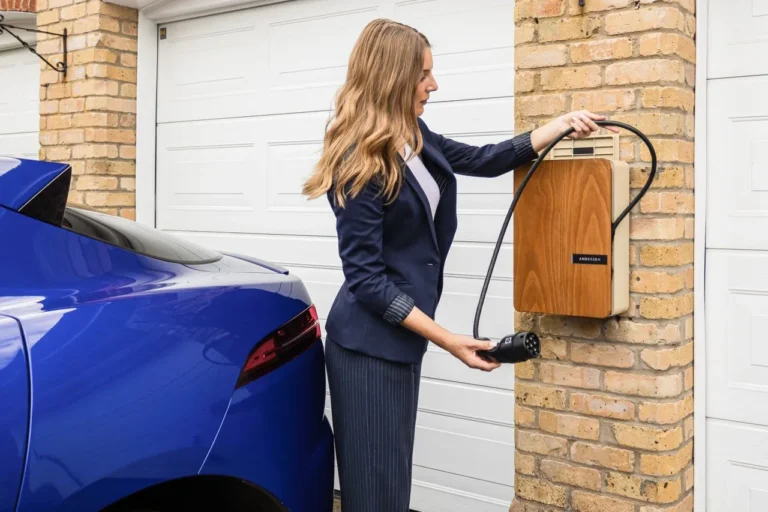
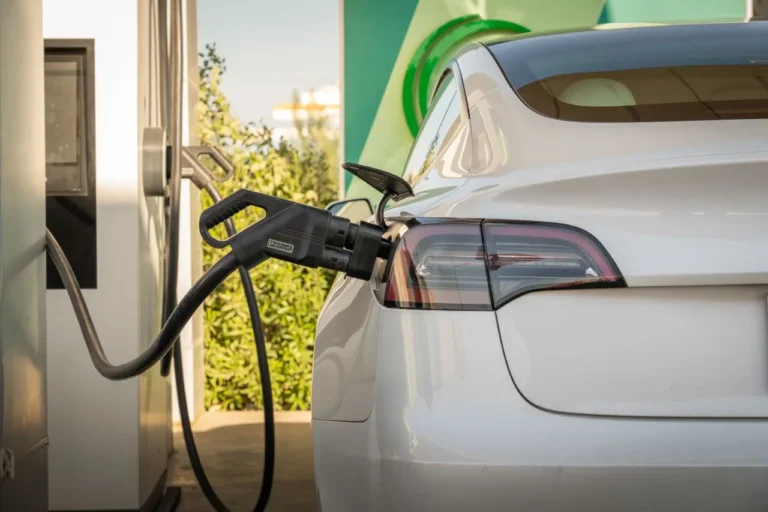
Charging access is another important consideration. A consumer who can regularly charge at home may experience a different cost structure from someone who relies heavily on public charging stations.
Climate and driving conditions can also affect EV range and energy consumption.
For these reasons, buyers should evaluate the complete ownership picture rather than focusing on a single cost category.
Nevertheless, the combination of lower used-vehicle prices and potentially lower energy costs gives EVs a different proposition in the second-hand market than they had when most electric vehicles were sold exclusively as new products.
The development of Canada’s used EV market is increasingly tied to consumer confidence.
Price remains important, but buyers also want reassurance about battery condition, vehicle reliability, repair costs and warranty protection.
As more EVs accumulate real-world mileage and enter the used market, consumers have access to a growing amount of information about battery performance and long-term ownership.
Automakers, dealers and certification programs can further support the market by providing transparent vehicle histories, battery-health assessments and warranty coverage.
VinFast’s Certified Pre-Owned program illustrates one approach: combining inspection requirements, battery-health checks, vehicle-history information, roadside assistance and transferable warranty coverage.
Such programs can help reduce some of the uncertainty associated with buying a used electric vehicle.
Canada’s used EV market is moving beyond its early stage.
The faster sales pace reported for used EVs suggests that consumers are increasingly willing to consider electric vehicles as practical used-car purchases. At the same time, research into battery degradation and vehicle longevity is providing more information about how EVs perform over extended periods.
Lower charging costs can also strengthen the long-term ownership case, particularly for drivers who accumulate significant annual mileage.
For consumers, the result is a market that offers more choice than it did only a few years ago.
Used EVs are becoming easier to find, potentially cheaper to operate and, with programs such as certified pre-owned warranties and inspections, easier to evaluate.
As the first generation of Canada’s modern EVs continues to move into the second-hand market, affordability and confidence are likely to remain central considerations for buyers.
The combination of falling used-vehicle prices, established battery technology, operating-cost advantages and extended warranty coverage is giving Canadian consumers more ways to enter the EV market.
VinFast’s Certified Pre-Owned program adds another layer to that evolution by carrying elements of new-vehicle protection into the used market. For consumers considering an electric vehicle but hesitant about buying one pre-owned, that additional support can make the decision more straightforward.
Ultimately, the continued maturation of Canada’s used-EV market will depend on how well manufacturers, dealers and the wider automotive industry address the practical concerns of second-hand buyers. But with more vehicles entering the market and more evidence available about long-term EV ownership, used electric vehicles are increasingly becoming a mainstream option for Canadian motorists.
Source Link:https://www.businesswire.com/